With more than 10‑year industry experience, Shandong Headpowder delivers full‑service pneumatic‑conveying systems and blowers, undertaking nationwide turn‑key powder‑handling projects.
Calcium oxide, commonly known as quicklime, is a widely used industrial material in various sectors such as construction, chemical manufacturing, and environmental treatment. The efficient and reliable transportation of calcium oxide dry powder is crucial for industrial processes, and pneumatic conveying systems have emerged as a preferred solution. This article explores the working principle and key features of calcium oxide dry powder pneumatic conveying equipment, highlighting how it enhances operational efficiency and safety in material handling. Shandong HeadPowder Engineering Co., Ltd., a leading manufacturer of pneumatic conveying equipment, specializes in providing customized solutions for the transportation of calcium oxide and other dry powders. With years of experience in the industry, the company has developed advanced systems that meet the unique requirements of various applications.
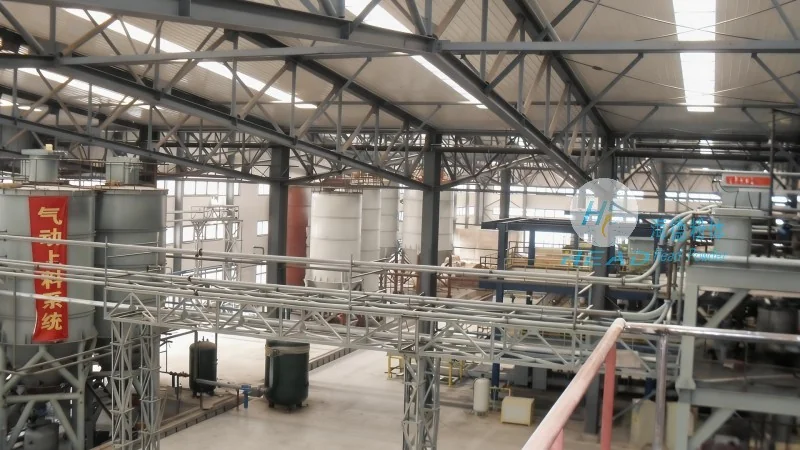
The core of calcium oxide dry powder pneumatic conveying equipment lies in the use of air as the conveying medium to transport dry powder materials. The system typically operates under either positive pressure or negative pressure, depending on the specific application requirements. In a positive pressure system, a blower or fan generates high-pressure air that pushes the powder through a pipeline. The powder is suspended in the air stream and moves from the source to the destination. Conversely, a negative pressure system uses a vacuum pump to create a low-pressure environment, drawing the powder into the pipeline. The choice between positive and negative pressure depends on factors like the material's properties, pipeline length, and the need to minimize dust emissions.
Within the system, key components include a feeder, a conveying pipeline, a separator, and a receiver. The feeder ensures a consistent flow of calcium oxide powder into the pipeline, preventing blockages and maintaining stable conveying rates. The conveying pipeline is designed with smooth surfaces and appropriate bends to minimize friction and particle degradation. The separator, often a cyclone or bag filter, separates the powder from the air stream, ensuring that the material is collected efficiently and the air is cleaned before release. The receiver stores the conveyed powder, ready for further processing or use.
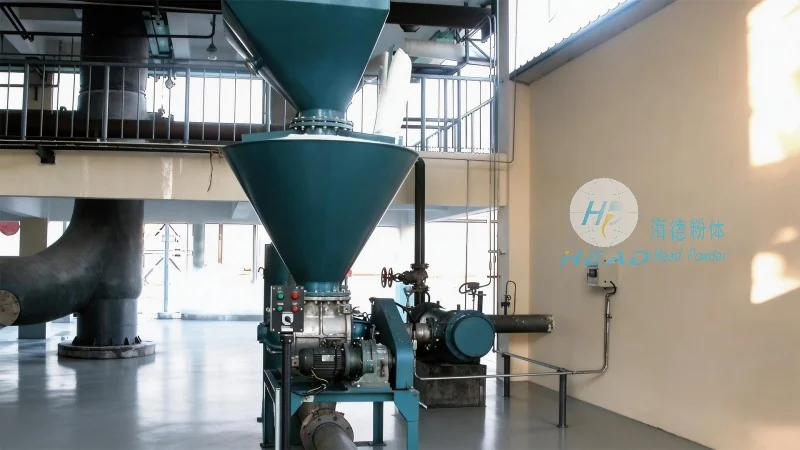
One of the primary advantages of calcium oxide dry powder pneumatic conveying equipment is its high conveying efficiency. Unlike traditional methods like bucket elevators or belt conveyors, pneumatic systems can transport materials over long distances with minimal energy consumption. This efficiency is particularly beneficial for calcium oxide, which is often handled in large quantities and requires rapid movement between processing stages.
Another notable feature is the system's ability to handle fine powders without significant degradation. Calcium oxide powder is typically fine and can be easily agglomerated or damaged by mechanical contact. The pneumatic conveying process uses air to suspend the particles, reducing friction and ensuring that the powder remains in its original state. This is critical for maintaining the material's quality and performance in downstream applications.
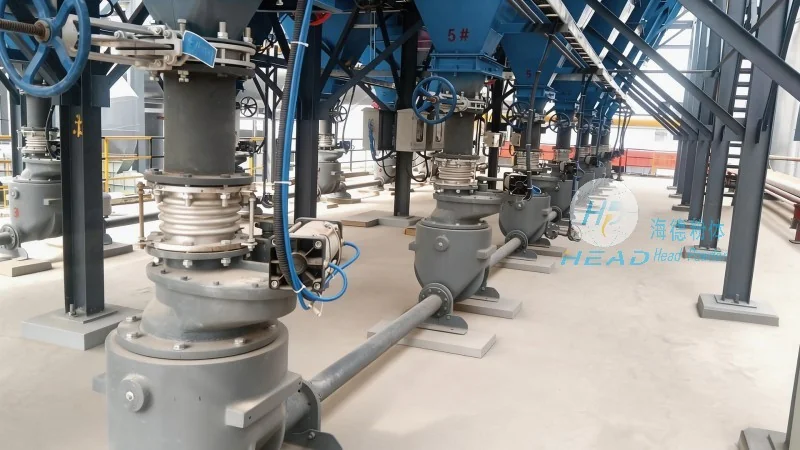
The equipment also offers excellent dust control capabilities. By using sealed pipelines and efficient separators, the system minimizes the release of calcium oxide dust into the environment. This not only improves workplace safety by reducing respiratory hazards but also complies with environmental regulations. The sealed design prevents dust from escaping, making the operation more environmentally friendly and sustainable.
Calcium oxide dry powder pneumatic conveying equipment provides several operational advantages that make it a preferred choice for industrial applications. The system is highly flexible, allowing for easy integration into existing production lines. It can be adjusted to handle varying powder flow rates and can be expanded or modified as production needs change. This adaptability is valuable for companies that may experience fluctuations in demand or need to scale their operations.
The equipment is also known for its low maintenance requirements. Unlike mechanical conveyors that require regular lubrication and part replacement, pneumatic systems have fewer moving parts and rely on air flow. This reduces the need for frequent maintenance, lowering operational costs and minimizing downtime. Additionally, the system's compact design saves space in industrial facilities, which is especially important in areas with limited floor space.
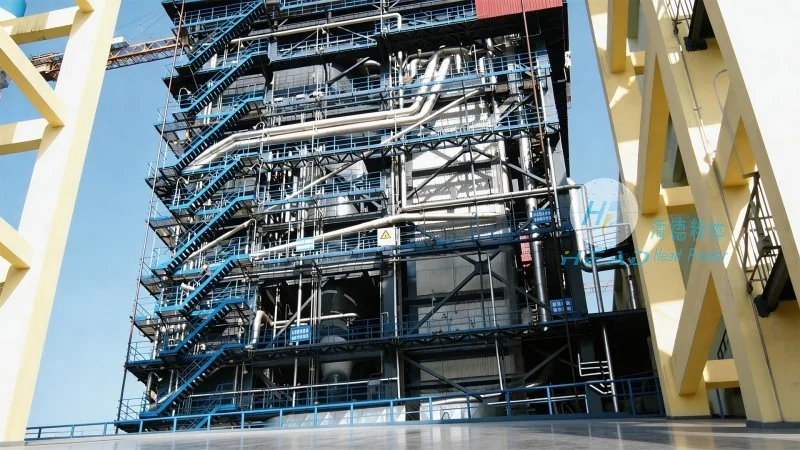
Applications of calcium oxide dry powder pneumatic conveying equipment span multiple industries. In the construction sector, it is used to transport quicklime for cement production and lime mortar preparation. In chemical manufacturing, it is employed in processes that require precise dosing of calcium oxide, such as in the production of calcium carbonate or other calcium-based compounds. Environmental applications also benefit from this technology, as calcium oxide is used in flue gas desulfurization and wastewater treatment, where efficient material handling is essential for process efficiency.
Calcium oxide dry powder pneumatic conveying equipment is a sophisticated solution for the efficient and safe transportation of this critical industrial material. By leveraging the principles of pneumatic conveying, the system offers high efficiency, minimal material degradation, and effective dust control. These features make it an ideal choice for various industrial applications, contributing to improved operational performance and environmental compliance. As industries continue to seek more efficient material handling solutions, the use of such equipment will likely become even more prevalent, ensuring the continued growth and success of processes that rely on calcium oxide.

 Shandong Headpowder Engineering Co., Ltd.
 156-6277-7102(Manager Zhang)
  0531-83386006
  Zhangqiu District, Jinan City, Shandong Province, China
telephone
WeChatconsult
top