

Working Principle and Features of Flour Pneumatic Conveying Equipment
For those in the flour processing industry, understanding the core technologies that facilitate efficient material handling is crucial. Among these, the flour pneumatic conveying system stands out as a vital piece of equipment. This article delves into the working principle and key features of flour pneumatic conveyors, offering insights that can enhance operational efficiency and product quality.
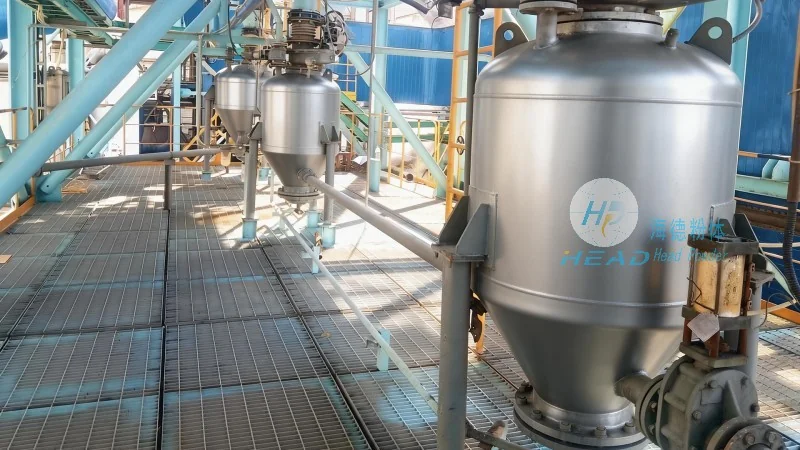
Introduction to Flour Pneumatic Conveying Systems
Flour pneumatic conveying equipment is designed to transport bulk materials like flour from one location to another using air pressure or vacuum. Unlike traditional mechanical conveyors, this system relies on the force of air to move the material, making it particularly suitable for handling fine, dusty, or sensitive products such as flour. The technology has evolved significantly over the years, with modern systems offering improved efficiency, reduced maintenance, and enhanced safety features.
Core Working Principle of Flour Pneumatic Conveyors
The fundamental principle behind flour pneumatic conveying is the use of air to create a flow that transports the material. There are two primary methods: pressure and vacuum systems. In a pressure system, air is forced into a sealed pipe, creating positive pressure that pushes the material forward. Conversely, a vacuum system uses a fan to create negative pressure, drawing the material into the pipe. For flour, the pressure system is often preferred due to its ability to handle higher material loads and maintain consistent flow rates.
Within the system, several components work in tandem to ensure smooth operation. The hopper, where the flour is stored, is connected to the conveying line via a feed device. The feed device, typically a rotary valve or a star feeder, controls the flow of flour into the pipe. As the air moves through the pipe, it carries the flour particles along, often with the assistance of special air distribution devices like cyclones or venturi tubes that help maintain the flow and prevent material buildup.
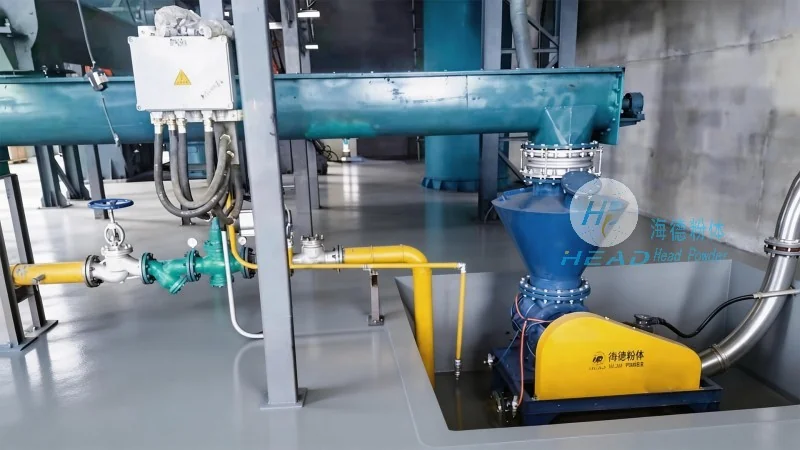
Key Features of Flour Pneumatic Conveying Equipment
When evaluating flour pneumatic conveying systems, several features are critical for optimal performance. First, the system must be designed to handle the specific characteristics of flour, such as its fine particle size and potential for dust generation. This includes features like dust collection and filtration to ensure environmental compliance and worker safety. Second, the equipment should offer flexibility in terms of layout and material handling. Modern systems can be configured to handle multiple points of loading and unloading, making them adaptable to various production line setups.
Another important feature is the ability to maintain consistent material flow and prevent clogging. This is achieved through the use of specialized air distribution and material separation components. For instance, cyclone separators can be used to separate the air from the flour at the discharge point, preventing material loss and ensuring that the conveying line remains clear. Additionally, the system should be equipped with monitoring and control systems that allow operators to adjust parameters like air pressure and flow rate in real-time, optimizing performance based on the specific requirements of the flour being handled.
Benefits of Using Flour Pneumatic Conveying Systems
Implementing a flour pneumatic conveying system offers numerous benefits for flour processing facilities. One of the most significant advantages is the reduction in labor costs and operational time. By automating the material handling process, the system minimizes the need for manual handling, which not only saves time but also reduces the risk of accidents and product contamination. Additionally, the system helps maintain product quality by preventing exposure to external elements and reducing the risk of cross-contamination between different batches of flour.
From an environmental perspective, modern flour pneumatic conveying systems are designed with dust control measures that comply with regulatory standards. This includes features like enclosed systems and efficient filtration, which help minimize dust emissions and protect the surrounding environment. Furthermore, the energy efficiency of these systems has improved over time, with advanced designs reducing power consumption while maintaining high conveying rates.
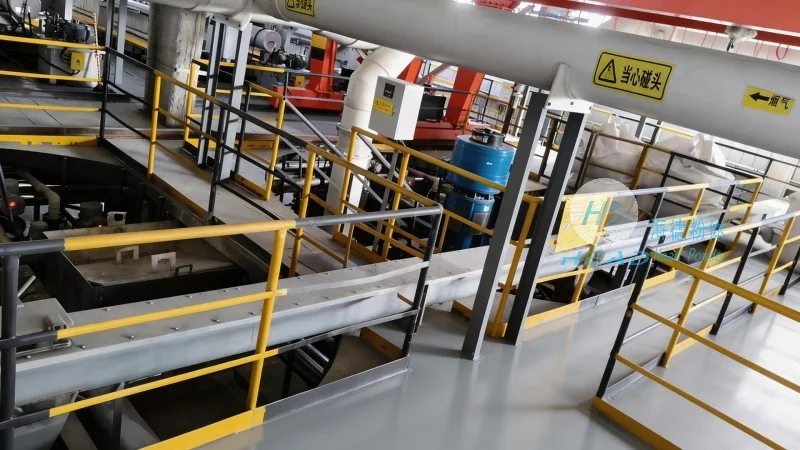
Application Examples in Flour Processing
Flour pneumatic conveying systems are widely used in various stages of flour processing. For example, in a flour mill, the system can be used to transport raw wheat from storage silos to the grinding equipment. It can also be employed to move the ground flour from the mill to the packaging area, ensuring a continuous and efficient flow of product. In addition, these systems are commonly used in bakery and food processing facilities to transport flour to mixing and baking equipment, where consistent material flow is essential for maintaining product consistency.
Another common application is in the handling of byproducts or waste materials from the flour processing line. By integrating a pneumatic conveying system, facilities can efficiently collect and transport these materials to disposal or recycling facilities, streamlining the overall waste management process. This not only improves operational efficiency but also contributes to a more sustainable and environmentally friendly operation.
Conclusion and Recommendations
Flour pneumatic conveying equipment is a critical component in modern flour processing operations, offering a reliable and efficient method for material handling. By understanding the working principle and key features of these systems, facilities can make informed decisions when selecting or upgrading their equipment. It is recommended that companies consider factors such as material characteristics, production capacity, and environmental regulations when choosing a pneumatic conveying system. Additionally, partnering with a reputable manufacturer like Shandong HeadPowder Engineering Co., Ltd., known for its expertise in flour processing equipment, can ensure that the chosen system meets the specific needs of the operation and delivers long-term performance and reliability.