

Working Principle and Features of Powder Electrolyte Pneumatic Conveying Systems
For industrial applications involving the handling of powder electrolytes, efficient and reliable material transport is crucial. Pneumatic conveying systems have emerged as a preferred solution due to their ability to handle fine powders like electrolytes with precision and minimal loss. This article explores the working principle and key features of powder electrolyte pneumatic conveying lines, highlighting how they enhance operational efficiency and product integrity in industrial processes.
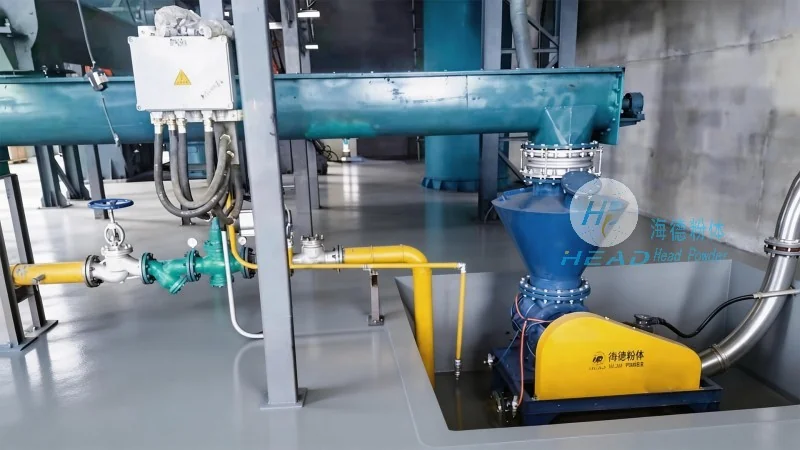
Introduction to Powder Electrolyte Pneumatic Conveying Systems
Powder electrolyte pneumatic conveying systems are engineered to transport dry powder materials, such as those used in battery manufacturing, through a network of pipes using compressed air or other gases. These systems are designed to handle materials that are prone to caking, agglomeration, or dust generation, making them ideal for applications where traditional mechanical conveying methods may not be suitable. The technology has evolved significantly over the years, offering advanced solutions that cater to the specific needs of modern industrial production lines.
Working Principle of Powder Electrolyte Pneumatic Conveying Lines
The core working principle of a powder electrolyte pneumatic conveying system revolves around the use of air pressure to move material through a closed pipeline system. The process typically involves several key components: a material feed hopper, a conveying line (often made of stainless steel to prevent corrosion), a compressor or air source, and a discharge point. When the system is activated, compressed air is introduced into the pipeline, creating a flow that pulls the powder particles along with it. This creates a "slug" or a continuous stream of material, depending on the system design and operational parameters.
Key steps in the operation include: material feeding, where the powder electrolyte is introduced into the hopper; air induction, where the compressed air is mixed with the powder to form a suspension; conveying, where the air-powder mixture travels through the pipeline to the discharge point; and separation, where the air and powder are separated at the end of the line, typically using a cyclone or filter system. The entire process is controlled by a system of valves, regulators, and sensors that ensure consistent flow rates and prevent blockages or overloading.
Key Features and Advantages of Powder Electrolyte Pneumatic Conveying Systems
HeadPowder, a leading manufacturer based in Shandong, China, specializes in designing and manufacturing high-quality powder electrolyte pneumatic conveying systems. These systems are characterized by several key features that make them superior to traditional conveying methods:
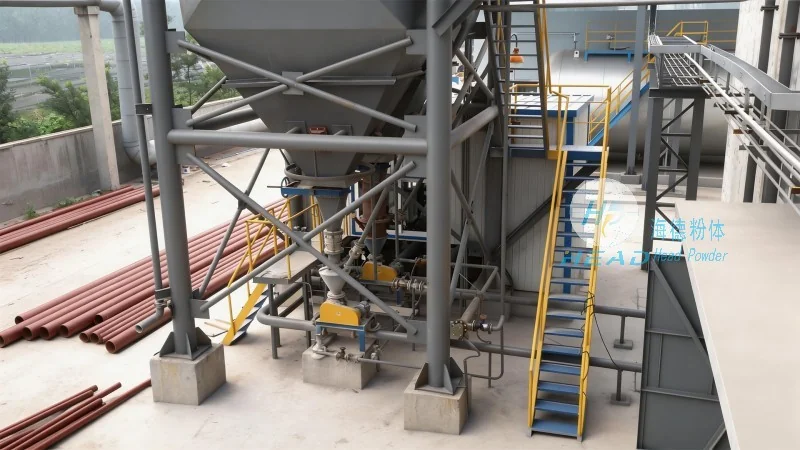
1. Corrosion Resistance and Material Compatibility: The conveying lines are typically constructed from stainless steel or other corrosion-resistant materials, ensuring compatibility with acidic or alkaline electrolyte powders. This prevents material degradation and maintains product purity throughout the transport process.
2. Gentle Handling and Low Product Damage: Unlike mechanical conveyors that may cause attrition or particle breakage, pneumatic systems use air to move materials gently. This minimizes the risk of agglomeration or degradation of the powder electrolyte, preserving its physical and chemical properties.
3. Dust-Free and Clean Operation: Pneumatic conveying systems operate in a closed environment, reducing dust emissions and improving workplace safety. This is particularly important for handling fine powders that can be hazardous if released into the air.
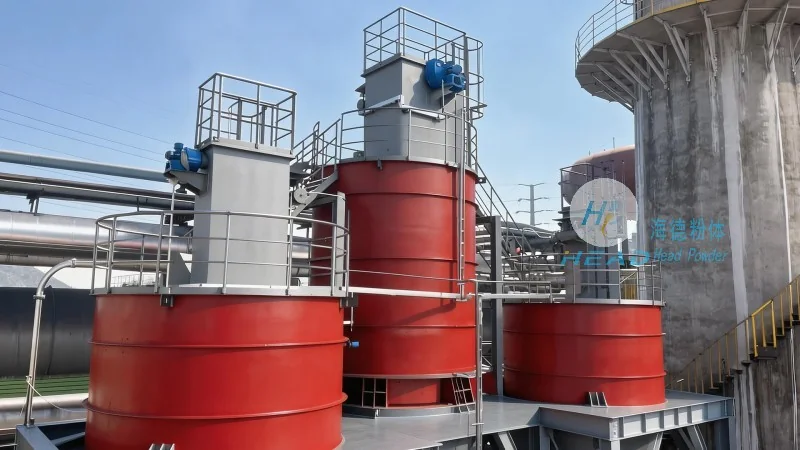
4. Flexibility and Scalability: The systems can be easily configured to handle varying flow rates and material types, making them adaptable to different production requirements. They can also be integrated with other processing equipment, such as mixers or reactors, to form a complete production line.
5. Energy Efficiency and Cost-Effectiveness: Modern pneumatic conveying systems are designed to optimize energy use, reducing operational costs over time. The closed-loop system minimizes material loss and waste, contributing to overall cost savings.
Application Examples and Industrial Use Cases
Powder electrolyte pneumatic conveying systems are widely used in various industries, including battery manufacturing, chemical processing, and pharmaceuticals. For instance, in battery production, these systems are used to transport lithium or other electrolyte powders to the cell assembly line, ensuring a consistent and high-quality feedstock. In chemical plants, they help in moving reactive powders without exposure to external contaminants, maintaining product integrity and safety standards.
Conclusion and Company Overview
HeadPowder Engineering Co., Ltd., located in Shandong, China, is a trusted provider of advanced powder electrolyte pneumatic conveying solutions. With a focus on innovation and quality, the company offers customized systems that meet the specific needs of industrial clients. By leveraging the principles of pneumatic conveying, HeadPowder helps businesses enhance their operational efficiency, reduce material loss, and maintain product quality in the handling of sensitive powder electrolytes. The company's commitment to using corrosion-resistant materials and advanced control systems ensures that their products deliver reliable performance in demanding industrial environments.