

Working Principle and Features of Pneumatic Conveying Systems for Lithium-Ion Battery Positive Elect
The company, Shandong HeadPowder Engineering Co., Ltd., commonly known as HeadPowder, specializes in the design and manufacturing of advanced material handling systems, with a primary focus on solutions tailored for the lithium-ion battery industry. HeadPowder is headquartered in Shandong, China, and has positioned itself as a leading provider of efficient and reliable pneumatic conveying solutions for positive electrode materials used in lithium-ion batteries.
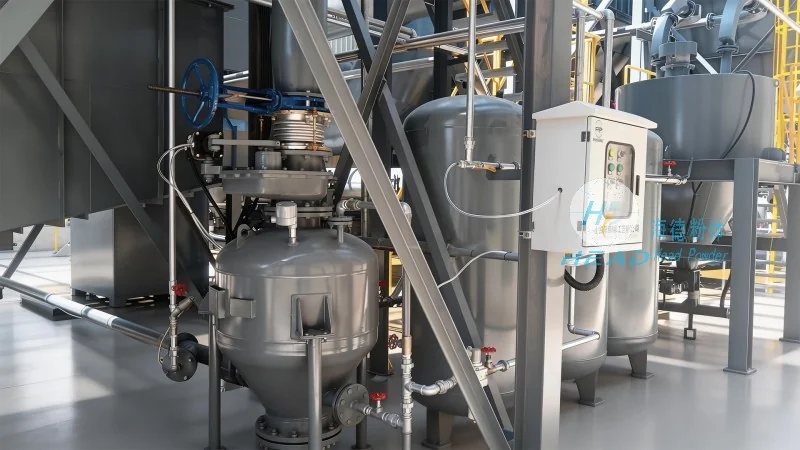
Working Principle of Pneumatic Conveying Systems for Lithium-Ion Battery Positive Electrode Materials
The working principle of a pneumatic conveying system for lithium-ion battery positive electrode materials involves the utilization of air pressure to transport bulk materials. The system typically comprises a hopper, a conveyor line, and a discharge point. Material is initially loaded into the hopper, where it is then drawn into the conveyor line by a vacuum or pressure differential. The air flow, controlled by a blower or compressor, propels the material through the pipeline. This method enables the safe and efficient transfer of fine powders, such as those used in battery cathode production, without the need for mechanical components that could cause contamination or damage to the material.
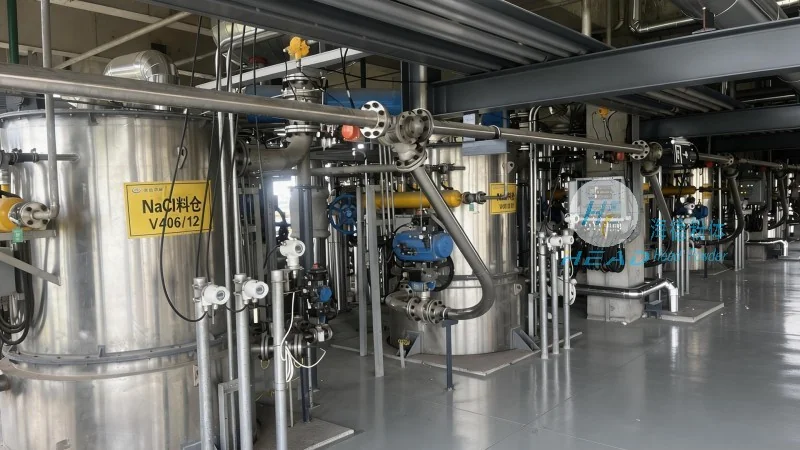
Key Features and Advantages of the Pneumatic Conveying Line
Key features of the pneumatic conveying line include high efficiency in material transport, minimal product contamination, and flexibility in system design. The systems are engineered to handle various particle sizes and flow rates, ensuring consistent performance even with different material properties. Additionally, the pneumatic design reduces the risk of dust exposure and improves workplace safety, which is crucial in environments where battery materials are processed. The systems also offer scalability, allowing for expansion as production needs grow, and can be integrated with other manufacturing processes to enhance overall operational efficiency.
Operational Benefits and Technical Advantages
In terms of operational advantages, the pneumatic conveying system provides a closed-loop transport process, which helps maintain material purity and prevents environmental contamination. The use of air as the conveying medium also reduces the need for physical contact, minimizing wear and tear on the equipment and extending its service life. Furthermore, the system's ability to handle fine powders without agglomeration ensures that the material remains in a consistent state, which is vital for achieving uniform battery performance. The closed system design also facilitates easier maintenance and cleaning, as it prevents material buildup in the pipeline and reduces the risk of cross-contamination between different batches.
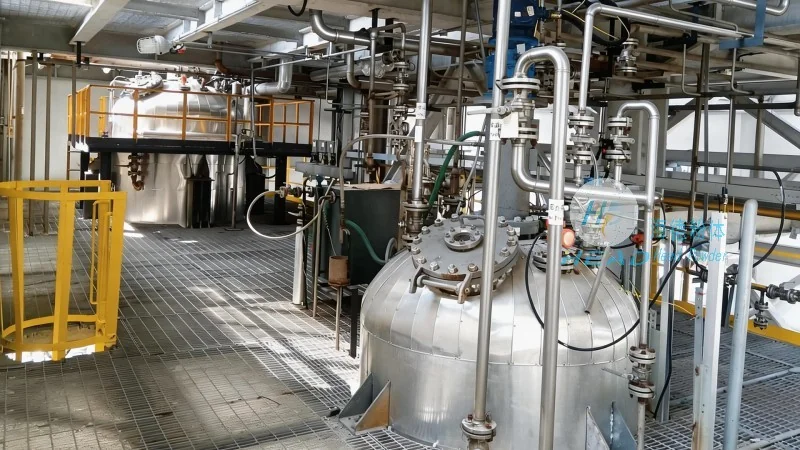
Application-Specific Design and Customization
HeadPowder's pneumatic conveying systems are designed with a focus on the specific requirements of lithium-ion battery positive electrode material handling. The systems can be customized to accommodate different material types, such as nickel manganese cobalt (NMC), lithium iron phosphate (LFP), or lithium nickel cobalt aluminum (NCA) cathodes, each with unique particle size distributions and flow characteristics. The company's engineering team works closely with clients to develop solutions that meet their production capacity, space constraints, and quality standards, ensuring that the final product aligns with industry best practices and regulatory requirements.