With more than 10‑year industry experience, Shandong Headpowder delivers full‑service pneumatic‑conveying systems and blowers, undertaking nationwide turn‑key powder‑handling projects.
Biomass pellet pneumatic conveying is a critical technology for transporting solid biomass materials, such as pellets, through a pipeline using air as the conveying medium. This method is widely adopted in industries like biomass power generation, biofuel production, and agricultural processing due to its efficiency and adaptability. The process involves feeding biomass pellets into a closed system where a fan or blower generates airflow to move the particles through the pipeline. By utilizing air as the transport medium, the system can handle bulk materials over long distances with minimal manual intervention, making it an ideal solution for modern material handling needs.
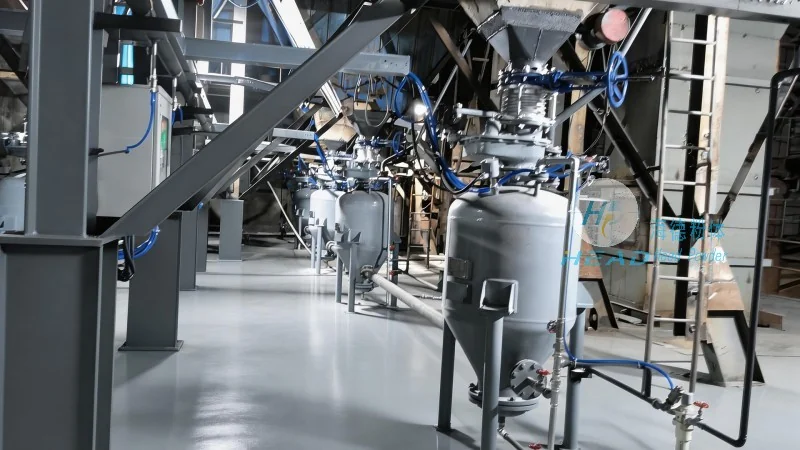
The fundamental working principle of biomass pellet pneumatic conveying relies on the interaction between solid particles and the air flow within a pipeline. The system typically consists of several key components: a material feeder, a conveying pipeline, a fan or blower to generate pressure, and a discharge device. The material feeder introduces biomass pellets into the pipeline, where the fan creates a pressure differential that propels the pellets forward. The air flow carries the pellets through the pipeline, ensuring consistent and reliable transportation. The system can operate under either positive pressure (pressure conveying) or negative pressure (suction conveying), depending on the application requirements. Positive pressure systems use a fan to push air and particles through the pipeline, while suction systems use a vacuum to draw particles into the system. Both methods are effective, but the choice depends on factors like material properties, pipeline length, and system layout.
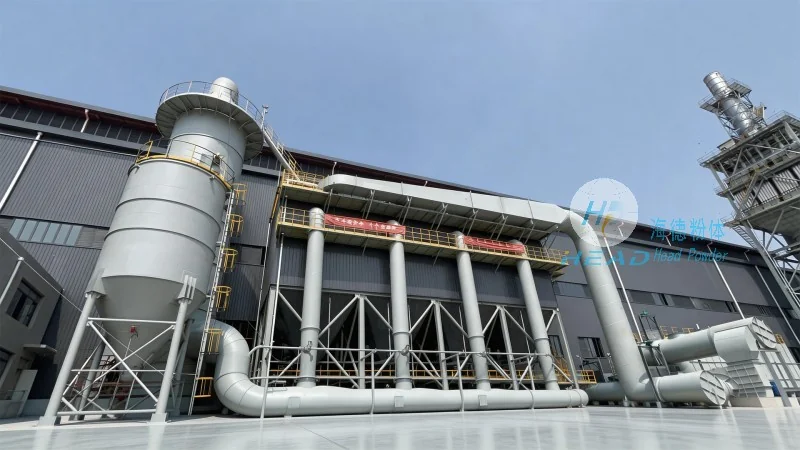
Biomass pellet pneumatic conveying systems exhibit several distinct characteristics that contribute to their effectiveness. One primary advantage is the high efficiency in transporting bulk materials over long distances with minimal labor. The enclosed pipeline design prevents dust and environmental contamination, ensuring a clean and safe operation environment. Additionally, the system can accommodate a wide range of particle sizes and moisture contents, making it versatile for different biomass feedstocks. Another notable characteristic is the ability to integrate with other processing equipment, such as grinding or drying units, to form a continuous production line. This integration enhances overall operational efficiency by streamlining material flow. The system also provides precise control over the conveying rate, allowing for accurate management of material flow. However, it is important to consider factors like air consumption, energy efficiency, and system maintenance when evaluating the performance of a pneumatic conveying system. Proper system design and maintenance are crucial to ensure optimal performance and longevity.
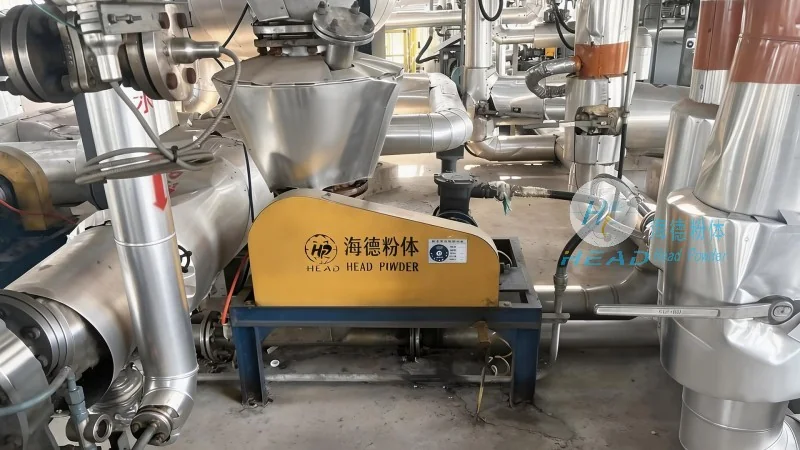
Shandong HeadPowder Engineering Co., Ltd., commonly referred to as HeadPowder, is a leading engineering company specializing in material handling solutions. The company focuses on providing innovative and reliable pneumatic conveying systems for biomass and other industries. With a strong commitment to quality and customer satisfaction, HeadPowder designs, manufactures, and installs customized systems tailored to the specific needs of clients. The company's expertise in engineering and material handling ensures that each system is optimized for efficiency, durability, and cost-effectiveness. HeadPowder's team of experienced engineers and technicians works closely with clients to understand their operational requirements and develop solutions that meet or exceed industry standards. The company's dedication to technological advancement and sustainable practices has positioned it as a trusted partner in the material handling sector, helping businesses enhance their productivity and reduce operational costs.

 Shandong Headpowder Engineering Co., Ltd.
 156-6277-7102(Manager Zhang)
  0531-83386006
  Zhangqiu District, Jinan City, Shandong Province, China
telephone
WeChatconsult
top