

Working Principle and Characteristics of Denitrification Urea Pneumatic Conveying
Denitrification urea, a critical component in selective catalytic reduction (SCR) systems used for flue gas treatment in power plants and industrial facilities, requires efficient and reliable transportation from storage to the injection point. Pneumatic conveying has emerged as a preferred method for handling this material due to its ability to transport fine powders without mechanical contact, minimizing contamination and degradation. The process leverages compressed air or gas to move the urea particles through a pipeline system, offering a flexible and effective solution for material handling in denitrification applications.
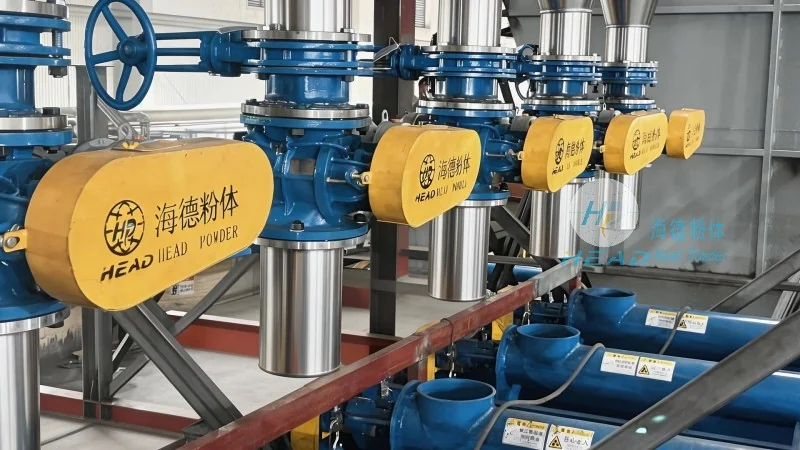
Working Principle of Pneumatic Conveying for Denitrification Urea
The core of the pneumatic conveying system for denitrification urea involves a series of interconnected components working in harmony to ensure consistent material transport. The process begins with the urea stored in a hopper, which is equipped with a feeder that controls the discharge rate of the material. As the urea falls from the hopper, it is drawn into the pipeline by a blower or compressor that generates a high-velocity air stream. The air flow, typically at pressures ranging from low to medium, creates a negative pressure zone that pulls the urea particles into the pipeline. The urea is then carried through the system by the air stream, with the velocity and pressure maintained to prevent blockages or material loss. The pipeline system may include horizontal, vertical, or mixed segments, depending on the plant layout, and is designed to handle the specific flow rates and particle characteristics of denitrification urea. At the end of the pipeline, the urea is deposited into a receiver, where it is ready for injection into the SCR system. The entire process is carefully regulated to balance the conveying velocity and pressure, ensuring that the urea reaches the injection point with minimal degradation and consistent quality.
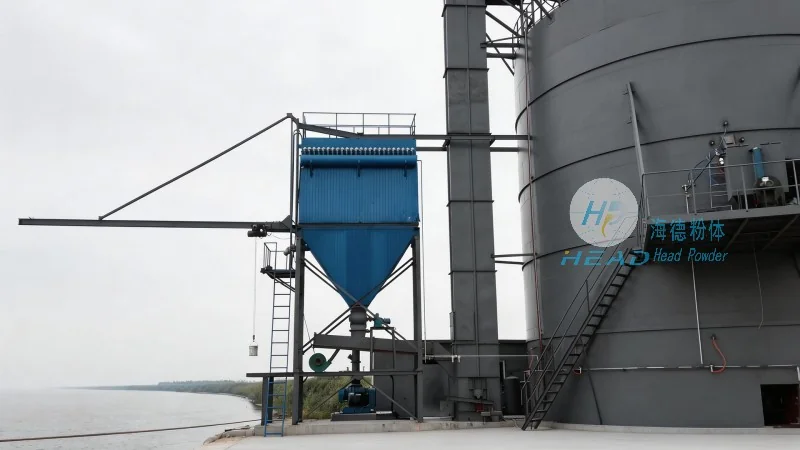
Key Characteristics and Advantages of Denitrification Urea Pneumatic Conveying Systems
One of the most significant advantages of pneumatic conveying for denitrification urea is its high efficiency in material transport. Unlike mechanical systems that rely on belts, screws, or other moving parts, pneumatic systems can handle fine powders without clogging, making them ideal for urea, which is a fine granular material prone to agglomeration. The system offers flexibility in layout, allowing for horizontal, vertical, or mixed configurations to fit the plant's existing infrastructure, reducing installation complexity and costs. Additionally, pneumatic conveying systems are generally more compact, requiring less floor space compared to mechanical alternatives, which is particularly beneficial in confined industrial settings.
Another critical characteristic is the ability to maintain material integrity. Since the urea is not exposed to mechanical stress or friction during transport, the risk of particle size changes or agglomeration is minimized. This is essential for denitrification applications, as consistent urea quality directly impacts the performance of the SCR system and the overall efficiency of flue gas treatment. Furthermore, pneumatic systems can be designed with dust collection and filtration components to minimize emissions and comply with environmental regulations, enhancing their suitability for modern industrial operations.
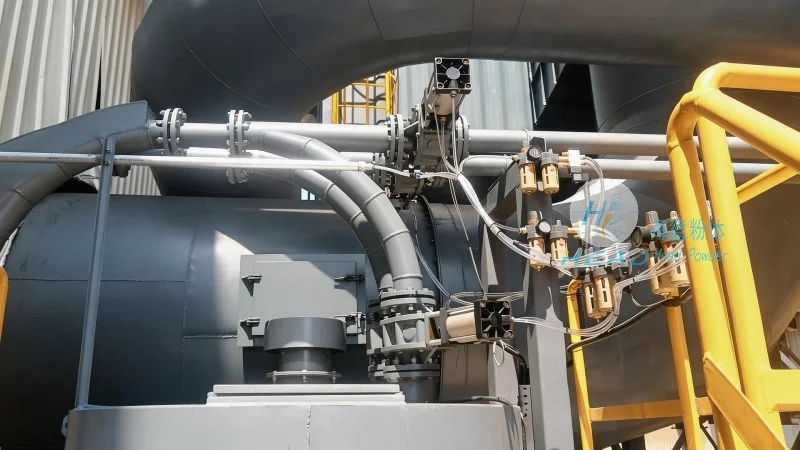
Shandong HeadPowder Engineering Co., Ltd.: Expertise in Denitrification Urea Pneumatic Conveying Solutions
Shandong HeadPowder Engineering Co., Ltd., a leading engineering firm based in Shandong, China, specializes in the design, manufacturing, and implementation of advanced pneumatic conveying solutions tailored to the unique needs of denitrification applications. With decades of experience in the field, the company leverages cutting-edge technology and engineering expertise to deliver systems that meet the highest standards for performance, reliability, and safety. The company's focus on innovation ensures that its solutions are optimized for efficiency, reducing material loss and energy consumption while maintaining consistent urea quality. By integrating local knowledge and global best practices, Shandong HeadPowder Engineering Co., Ltd. provides customized solutions that align with the operational requirements of power plants and industrial facilities, supporting their commitment to effective flue gas treatment and environmental compliance.