

Rice Powder Pneumatic Conveying: Understanding the Concept and Design Principles
Rice powder pneumatic conveying is a critical process in the handling and transportation of rice-derived powders, offering efficient and reliable solutions for industries that rely on consistent material movement. This method involves transporting bulk materials like rice flour or other rice products through a pipeline using a gas stream, typically air or other suitable gases. The technology has become increasingly important in modern food processing and agricultural applications, providing a means to move these fine powders without the need for mechanical components that might cause contamination or degradation.
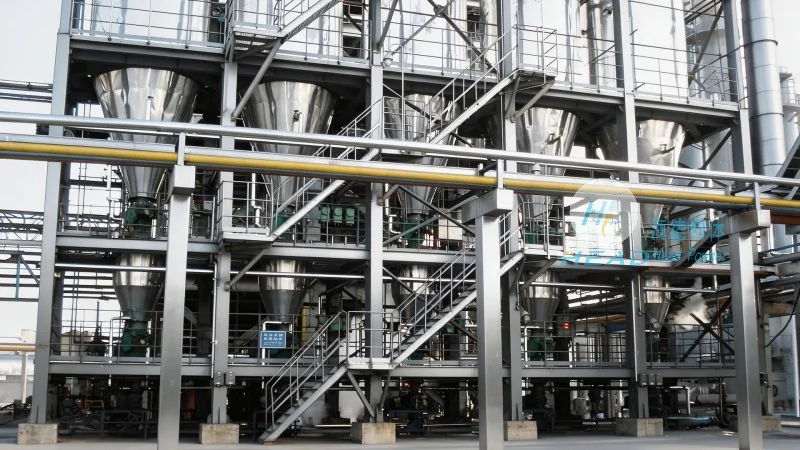
What is Pneumatic Conveying for Rice Powder?
Pneumatic conveying for rice powder refers to the technique of transporting rice-derived powders through a closed system using pressurized or vacuum air. This process is widely used in the food industry to move materials such as rice flour, broken rice, or other rice products from storage silos to processing units, packaging lines, or storage facilities. The system typically consists of a feeding device, a conveying line, a separation unit, and a collection hopper. The feeding device ensures that the rice powder is introduced into the pipeline at a controlled rate, while the conveying line transports the material to the desired location. The separation unit then separates the powder from the air stream, allowing the powder to be collected and the air to be filtered or recycled.
Key Design Principles for Rice Powder Pneumatic Conveying Systems
The design of a rice powder pneumatic conveying system is based on several key principles that ensure efficient and safe operation. These principles include understanding the physical properties of the rice powder, such as particle size, density, moisture content, and flowability. The system must be designed to handle these properties without causing blockages or degradation of the material. Another critical principle is the selection of the appropriate conveying method, which can be either pressure or vacuum-based. Pressure systems use compressed air to push the material through the pipeline, while vacuum systems use a vacuum to draw the material into the pipeline. The choice between these methods depends on factors such as the distance to be covered, the required flow rate, and the material's characteristics.
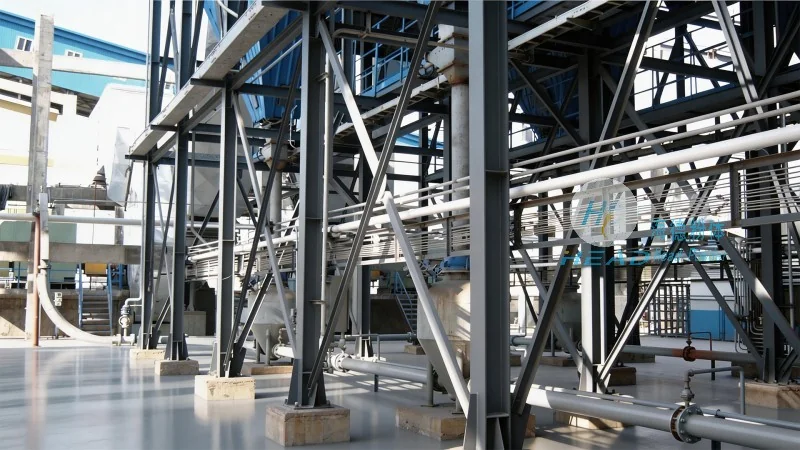
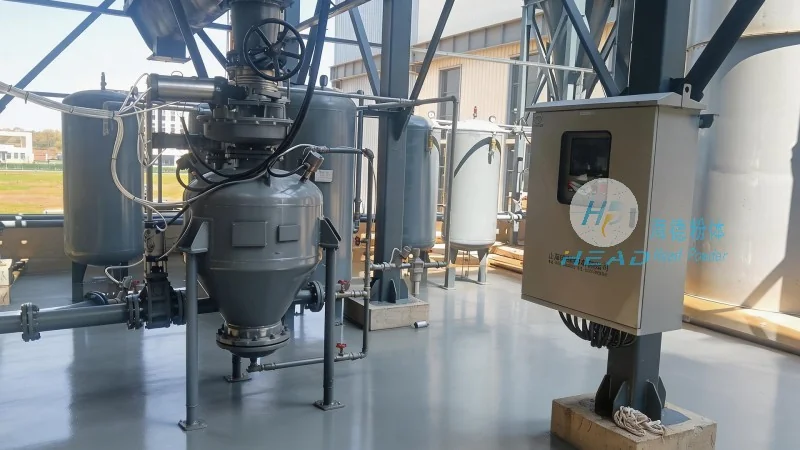
System components play a vital role in the design of rice powder pneumatic conveying systems. The feeding device, often a rotary valve or a screw feeder, controls the flow rate of the rice powder into the pipeline. The conveying line is typically made of stainless steel or other corrosion-resistant materials to prevent contamination and ensure durability. The separation unit, which may include a cyclone or a filter, separates the powder from the air stream, preventing dust emissions and ensuring that the powder is collected in a clean and dry state. The system also includes a blower or a vacuum pump that provides the necessary air pressure or vacuum to move the material through the pipeline.
Factors Influencing the Design of Rice Powder Pneumatic Conveying Systems
Several factors must be considered when designing a rice powder pneumatic conveying system. The first is the distance and elevation change between the source and the destination of the material. Longer distances or significant elevation changes may require higher air pressure or more powerful equipment to ensure efficient conveying. The second factor is the flow rate required, which depends on the production capacity of the processing plant. Higher flow rates may necessitate larger diameter pipelines or more powerful blowers. The third factor is the material's properties, including particle size distribution, moisture content, and abrasiveness. These properties can affect the system's efficiency and may require adjustments to the feeding device or the separation unit. Finally, the system's energy consumption and operational costs must be considered, as these factors can impact the overall cost-effectiveness of the conveying process.
Applications of Rice Powder Pneumatic Conveying in the Food Industry
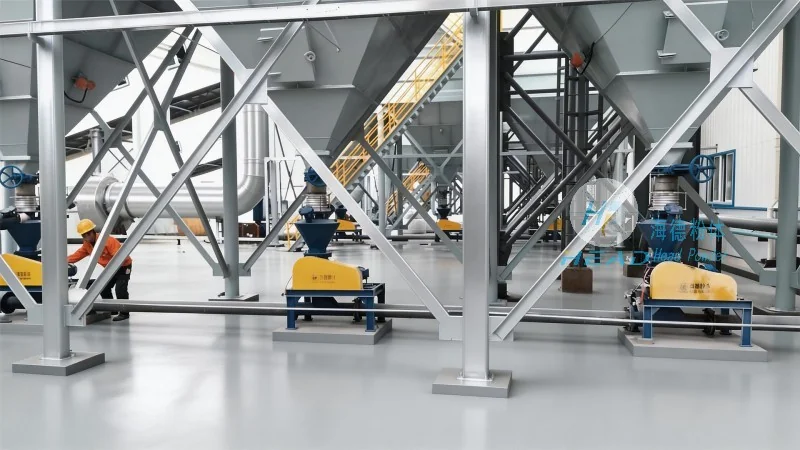
Rice powder pneumatic conveying is widely used in various applications within the food industry. One common application is the transportation of rice flour from storage silos to processing units, where it is used in the production of rice-based products such as rice cakes, rice noodles, or rice-based snacks. The system can also be used to move broken rice or other rice products from one processing stage to another, ensuring a smooth and continuous production line. Additionally, the technology is used in the packaging of rice products, where the powder is conveyed from storage to the packaging machine for filling into bags or containers. The ability to handle fine powders without contamination makes this method ideal for food processing applications where hygiene and product quality are paramount.
About Shandong HeadPowder Engineering Co., Ltd.
Shandong HeadPowder Engineering Co., Ltd. is a leading manufacturer and supplier of pneumatic conveying systems and related equipment for the food and agricultural industries. With years of experience in the field, the company specializes in designing and manufacturing customized solutions for rice powder and other fine powders. The company's headquarters is located in Shandong, China, and it serves clients worldwide with high-quality products and reliable service. HeadPowder Engineering Co., Ltd. is committed to providing innovative and efficient solutions that meet the specific needs of its customers, ensuring that their rice powder conveying systems operate at peak performance and deliver consistent results.