

[What is Wood Chip Powder Pneumatic Conveying? And What Are Its Design Principles?]
Wood chip powder pneumatic conveying is a specialized method of material handling that utilizes pressurized or vacuum air to transport wood chips in powder form from one location to another. This technology is widely employed in industries such as forestry, paper manufacturing, and biomass energy production, where efficient and safe movement of wood chips is critical for operational efficiency and environmental compliance.

Introduction to Wood Chip Powder Pneumatic Conveying
Pneumatic conveying systems for wood chips operate by creating a flow of air that carries the wood chip particles through a network of pipes. The process typically involves a source of compressed air, a hopper or feeder to introduce the wood chips into the system, and a series of components that direct, control, and deliver the material to its destination. Unlike traditional mechanical conveyors, which rely on belts, chains, or screws, pneumatic systems use air as the primary medium, offering advantages in flexibility and reduced mechanical wear.
Core Design Principles of Pneumatic Conveying Systems
The design of a wood chip powder pneumatic conveying system is governed by several fundamental principles aimed at ensuring efficient, reliable, and safe operation. These principles include matching the system's air flow and pressure to the physical properties of the wood chips, such as particle size, density, and moisture content. Engineers must also consider the system's layout, including the length and diameter of the conveying pipes, the number and type of bends, and the placement of components like cyclone separators and filters. The goal is to minimize pressure drop, prevent blockages, and maintain consistent material flow throughout the process.
Key Components and Their Functions
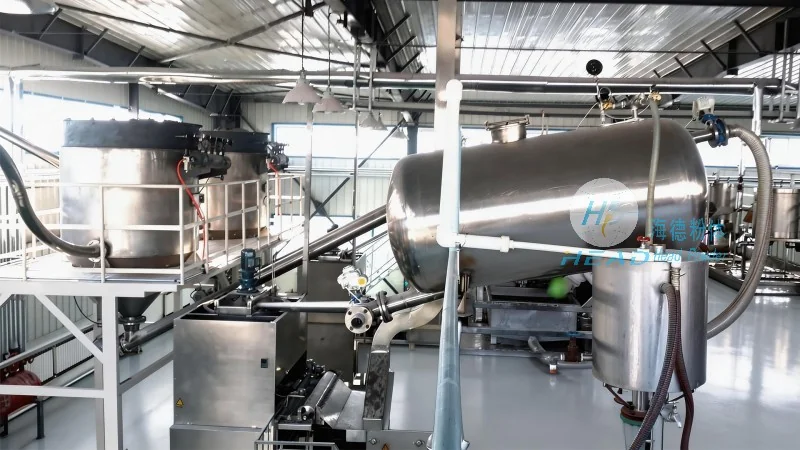
A typical wood chip powder pneumatic conveying system consists of several critical components, each playing a vital role in the overall operation. The primary components include a blower or compressor to generate the necessary air pressure, a hopper or feeder to feed the wood chips into the system, a series of straight and curved pipes to guide the material, and a cyclone separator or filter to separate the wood chips from the air stream. Additionally, control valves, check valves, and pressure regulators are used to manage the air flow and prevent backflow. Each component must be selected and sized appropriately to handle the specific characteristics of the wood chips being conveyed.
Design Considerations for Wood Chip Applications
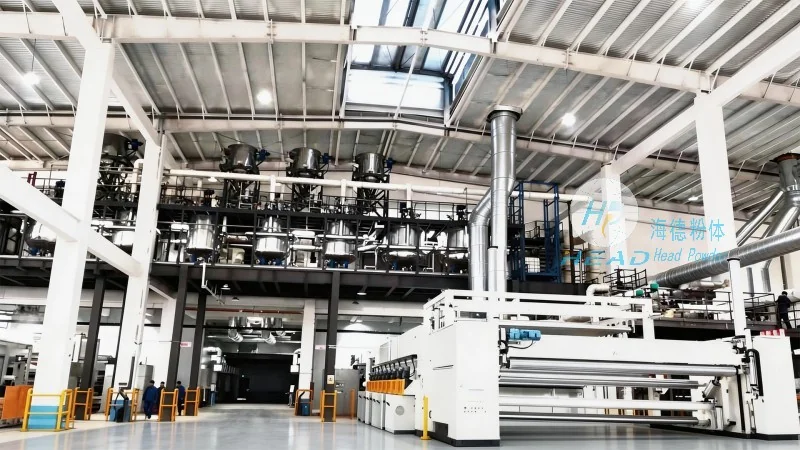
When designing a pneumatic conveying system for wood chips, engineers must account for several unique challenges posed by the material. Wood chips are irregularly shaped, with varying sizes and densities, which can affect their flow characteristics and tendency to clog. Moisture content is another critical factor, as wet wood chips are more prone to clumping and can increase the risk of blockages. The system design must also consider the potential for dust generation and the need for effective dust control measures to comply with environmental regulations. Furthermore, the system's layout must accommodate the specific operational requirements of the facility, such as the need to transport wood chips over long distances or through complex routes.
Advantages of Pneumatic Conveying for Wood Chip Handling
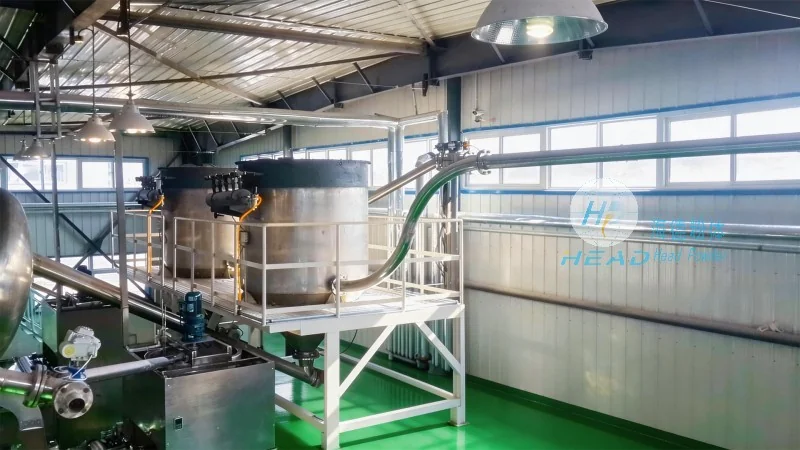
Pneumatic conveying offers several advantages over traditional mechanical methods for handling wood chips. One of the most significant benefits is the ability to transport material through complex and flexible pathways, including vertical lifts and horizontal curves, without the need for additional support structures. This flexibility allows for more efficient use of space and can reduce the overall footprint of the facility. Another key advantage is the reduction in mechanical wear and maintenance, as there are no moving parts in direct contact with the wood chips. This results in lower operational costs and increased system reliability. Additionally, pneumatic systems can be designed to minimize dust emissions, improving workplace safety and environmental performance.
HeadPowder's Expertise in Pneumatic Conveying Solutions
Shandong HeadPowder Engineering Co., Ltd., commonly known as headpowder, is a leading provider of specialized pneumatic conveying solutions tailored to the unique needs of wood chip handling applications. With a strong presence in China, particularly in Shandong province, headpowder has extensive experience in designing, manufacturing, and installing high-quality pneumatic conveying systems for a wide range of industries. The company's expertise lies in understanding the specific challenges of wood chip materials and translating that knowledge into effective system designs that meet the highest standards of efficiency, reliability, and safety. By leveraging advanced engineering techniques and high-quality components, headpowder delivers customized solutions that help clients optimize their wood chip processing operations and achieve their production goals.