

What is Bagged Powder Pneumatic Conveying? And What Are Its Design Principles?
Bagged powder pneumatic conveying is a specialized method used in material handling and processing industries to transport dry powders or granules from one location to another using air as the conveying medium. This technology offers an efficient and often more flexible alternative to traditional mechanical conveying systems, such as screw conveyors or belt conveyors, especially when dealing with fine or dusty materials that are prone to clogging or degradation under mechanical stress.
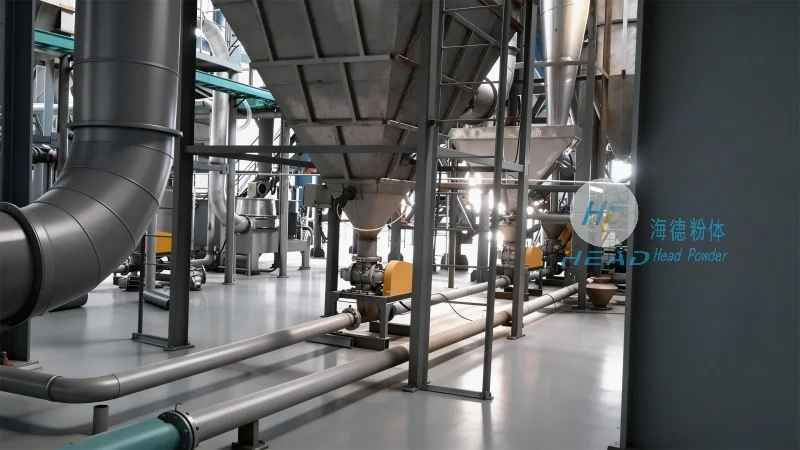
Understanding the Core Concept of Bagged Powder Pneumatic Conveying
The fundamental principle behind bagged powder pneumatic conveying involves creating a flow of air that carries the powder particles through a pipeline. The system typically consists of a hopper or storage container where the powder is stored, a blower or air compressor that generates the necessary airflow, and a series of pipes or ducts that transport the material to the destination. The air, often mixed with the powder in a specific ratio, moves the particles through the system, ensuring that the material is transported without the need for physical contact with the conveying equipment.
Key Design Principles and Components
Several critical design principles and components are essential for the effective operation of a bagged powder pneumatic conveying system. First, the air velocity must be carefully controlled to ensure that the powder particles are entrained and transported without causing excessive wear on the system components or leading to particle degradation. This often involves selecting the appropriate blower or compressor capacity and adjusting the air flow rate based on the characteristics of the powder being conveyed, such as particle size, density, and moisture content.
Second, the system design must consider the pressure requirements. Pneumatic conveying systems can operate under either positive pressure (where air is forced through the system) or negative pressure (where air is drawn out of the system). The choice between these two modes depends on factors like the distance and elevation changes between the source and destination, as well as the nature of the material being handled. For instance, positive pressure systems are commonly used for long-distance or high-elevation conveying, while negative pressure systems are suitable for applications where dust control and material containment are paramount.
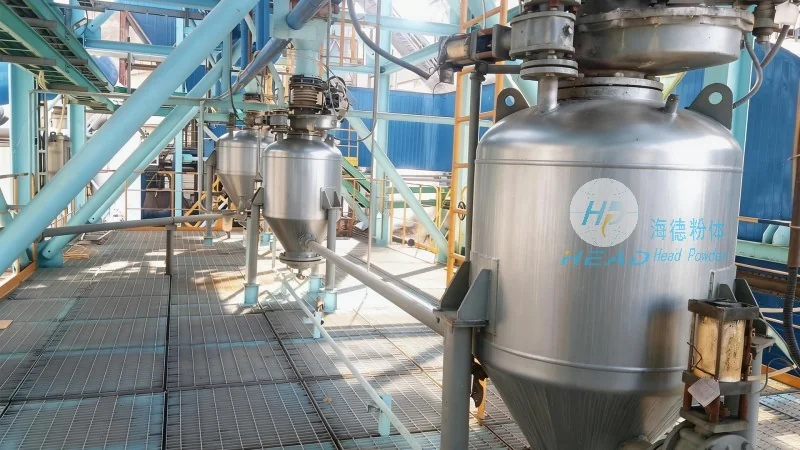
Third, the system layout and pipe sizing are crucial for maintaining efficient and reliable operation. The diameter and length of the pipes, along with the number and placement of bends, elbows, and other fittings, directly impact the air flow resistance and the overall conveying efficiency. Proper sizing ensures that the air velocity remains within the optimal range for particle entrainment, minimizing the risk of blockages or system inefficiencies.
Advantages and Applications of Bagged Powder Pneumatic Conveying
Bagged powder pneumatic conveying offers several advantages over traditional mechanical conveying methods. One of the primary benefits is the ability to handle fine or abrasive powders without causing damage or degradation to the material. The lack of physical contact reduces the risk of particle attrition, which is particularly important for sensitive materials like pharmaceuticals, food products, or high-value chemicals. Additionally, this method provides better dust control and environmental protection, as the entire conveying process is enclosed within the system, preventing dust emissions into the workplace or the environment.
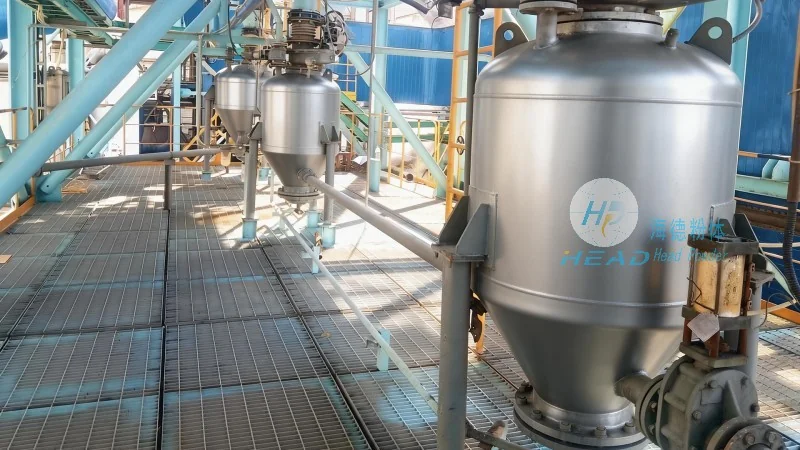
Another advantage is the flexibility and scalability of the system. Bagged powder pneumatic conveying systems can be easily expanded or reconfigured to accommodate changes in production volume or process requirements. This adaptability makes them suitable for a wide range of applications, from small-scale laboratory operations to large-scale industrial manufacturing facilities. The system can also be integrated with other processing equipment, such as mixers, classifiers, or packaging machines, to create a seamless material handling workflow.
Case Study: Application in the Pharmaceutical Industry
For example, in the pharmaceutical industry, bagged powder pneumatic conveying is widely used to transport active pharmaceutical ingredients (APIs) and other fine powders. The system's ability to maintain a sterile environment and prevent cross-contamination is critical in this sector. By using positive pressure systems with appropriate filtration and cleaning protocols, manufacturers can ensure that the powders are conveyed safely and efficiently, meeting stringent regulatory requirements. This application highlights the importance of precise design and control in bagged powder pneumatic conveying systems, as even minor deviations can impact product quality and safety.
Conclusion: The Role of HeadPowder in Pneumatic Conveying Solutions
As a leading provider of engineering solutions, Shandong HeadPowder Engineering Co., Ltd. specializes in designing and manufacturing customized bagged powder pneumatic conveying systems tailored to the specific needs of various industries. With a focus on innovation and quality, HeadPowder ensures that their systems are built to meet the highest standards of performance, reliability, and safety. The company's expertise in material handling and process engineering allows them to deliver solutions that enhance operational efficiency, reduce downtime, and improve overall productivity for their clients. Based in Shandong, China, HeadPowder serves a global market, providing comprehensive support from system design and installation to maintenance and troubleshooting. By leveraging advanced technology and a deep understanding of material properties, HeadPowder continues to be a trusted partner for businesses seeking reliable and efficient pneumatic conveying solutions.