With more than 10‑year industry experience, Shandong Headpowder delivers full‑service pneumatic‑conveying systems and blowers, undertaking nationwide turn‑key powder‑handling projects.
Corn cob material handling refers to the process of transporting, storing, and managing corn cobs, which are the fibrous remains of corn after the kernels have been harvested. This material is commonly used as animal feed, fuel, or in industrial applications. Efficient handling of corn cobs is crucial for agricultural and industrial operations to maximize productivity and minimize losses. The design of corn cob handling systems must consider factors such as material properties, handling capacity, and operational efficiency to ensure optimal performance.
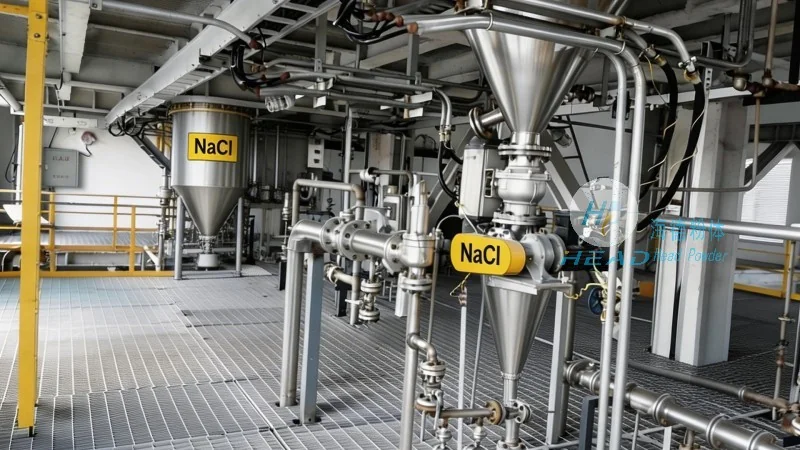
The design of corn cob material handling systems is guided by several key principles that ensure safety, efficiency, and durability. First, the system must be capable of handling the unique physical characteristics of corn cobs, including their irregular shape, varying sizes, and fibrous texture. This often requires specialized equipment like conveyors, elevators, and feeders that can accommodate the material's non-uniformity. Second, the design emphasizes energy efficiency and operational cost reduction. Engineers design systems with minimal power consumption and low maintenance requirements to keep long-term operational costs down. Third, safety is a paramount consideration. Corn cob handling systems must incorporate safety features such as overload protection, emergency stop mechanisms, and proper guarding to protect operators and prevent accidents. Additionally, the design prioritizes material flow optimization, ensuring that the cobs move smoothly from storage to processing or transport without bottlenecks or jams.
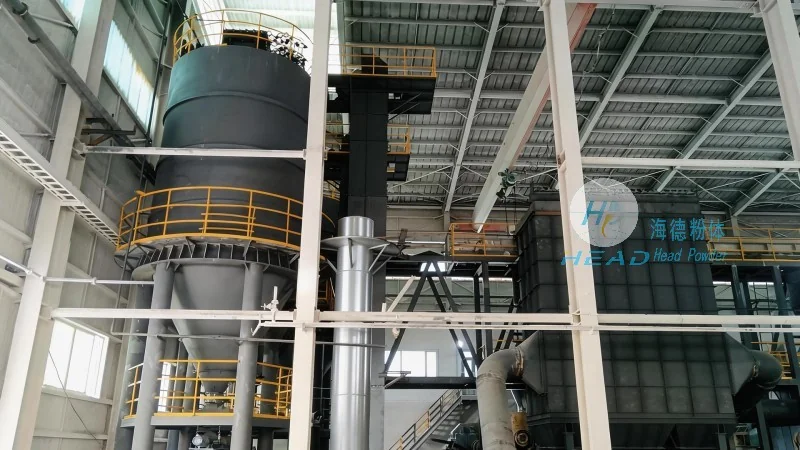
Effective corn cob material handling relies on a combination of specialized equipment and components. Conveyors, particularly belt conveyors and screw conveyors, are commonly used to transport corn cobs horizontally or vertically. Belt conveyors are ideal for moving large volumes of material over long distances, while screw conveyors excel at handling bulk materials in confined spaces. Elevators, such as bucket elevators or chain and flight elevators, are used to lift corn cobs from lower to higher levels, often in silos or storage facilities. Feeders, including gravity feeders and mechanical feeders, regulate the flow of corn cobs into processing equipment, ensuring consistent and controlled feeding. Additionally, storage systems like silos or bunkers are essential for storing corn cobs, protecting them from weather and pests while maintaining their quality. The integration of these components into a cohesive system is critical for achieving seamless material handling from the field to the processing plant.
Corn cob material handling systems are widely used across various industries, primarily in agriculture and animal feed production. In the agricultural sector, these systems are used to transport harvested corn cobs from the field to storage facilities or processing plants. This ensures that the material is stored properly and can be used as animal feed for livestock, such as cattle, pigs, and poultry. The systems also play a role in industrial applications, where corn cobs are processed into biofuels, such as ethanol or biogas, or used as a raw material in the production of corn cob-based products like mulch or insulation. The versatility of corn cob handling systems makes them valuable in both traditional and emerging industries, supporting sustainable practices and resource utilization.
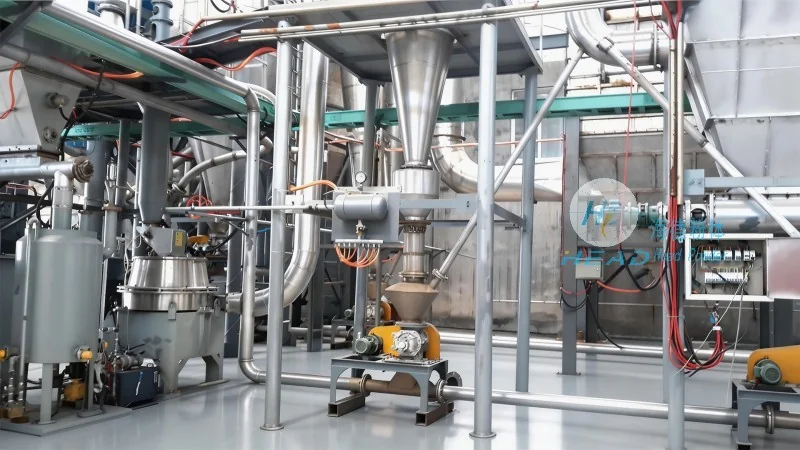
Implementing a well-designed corn cob material handling system offers numerous advantages for businesses. First, it enhances operational efficiency by streamlining the movement of material, reducing downtime, and improving throughput. This leads to increased productivity and lower labor costs. Second, the specialized equipment used in these systems minimizes material damage and loss, preserving the quality of the corn cobs for their intended use. Third, the systems are designed for durability and long-term reliability, reducing maintenance and replacement costs over time. Additionally, modern corn cob handling systems often incorporate automation and control features, allowing for precise monitoring and adjustment of operations. This not only improves performance but also enhances safety by minimizing human intervention in hazardous tasks. For businesses operating in the agricultural or industrial sectors, investing in a professional corn cob handling solution from a reputable supplier like Shandong HeadPowder Engineering Co., Ltd. can provide significant long-term benefits.

 Shandong Headpowder Engineering Co., Ltd.
 156-6277-7102(Manager Zhang)
  0531-83386006
  Zhangqiu District, Jinan City, Shandong Province, China
telephone
WeChatconsult
top