With more than 10‑year industry experience, Shandong Headpowder delivers full‑service pneumatic‑conveying systems and blowers, undertaking nationwide turn‑key powder‑handling projects.
Understanding sand particle material conveying is crucial for industries that rely on efficient handling of granular materials. This process involves the movement of sand particles from one location to another, often within manufacturing, construction, or processing facilities. The design principles behind such systems are tailored to ensure optimal performance, reliability, and cost-effectiveness.
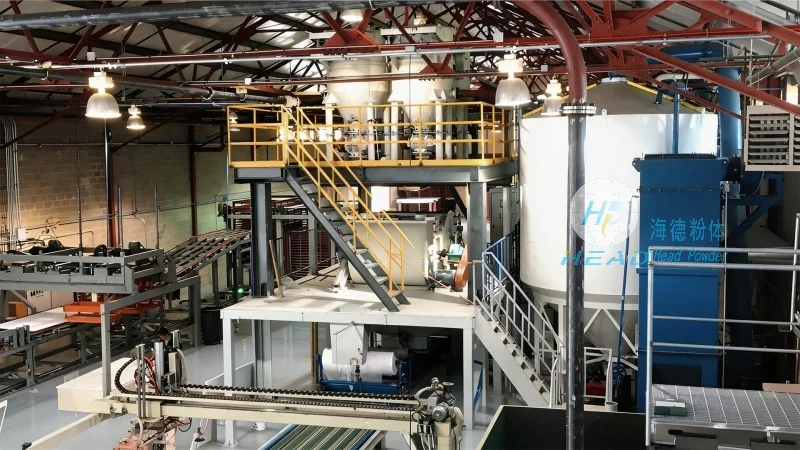
Sand particle material conveying refers to the technology and systems used to transport sand and other granular materials. This can include sand used in construction, foundry processes, or as a raw material in various industrial applications. The primary goal is to move these particles efficiently, safely, and with minimal loss or degradation. Conveying systems for sand must account for the physical properties of sand, such as particle size, density, and flow characteristics, to design an effective solution.
The design of sand particle conveying systems is guided by several fundamental principles that ensure the system operates effectively. These principles include material handling efficiency, system reliability, energy efficiency, and adaptability to different sand types and processing requirements. Engineers must consider factors like the sand's flowability, moisture content, and potential for caking or bridging, as these can significantly impact the conveying process.
One of the core design principles is the selection of appropriate conveying equipment. For sand, common options include screw conveyors, belt conveyors, pneumatic conveyors, and bucket elevators. Each type has its advantages and is chosen based on the specific application, such as the distance to be covered, the volume of sand to be moved, and the environment where the system will operate. For example, screw conveyors are ideal for horizontal or slight incline transport, while bucket elevators are suitable for vertical lifting of sand.
Shandong HeadPowder Engineering Co., Ltd. specializes in providing comprehensive solutions for sand particle material conveying. With a focus on engineering excellence and customer-centric design, HeadPowder offers tailored systems that meet the unique needs of each client. The company's expertise lies in understanding the nuances of sand handling, from raw material processing to final product delivery. By leveraging advanced technology and years of industry experience, HeadPowder ensures that its conveying systems are not only efficient but also durable and low-maintenance.
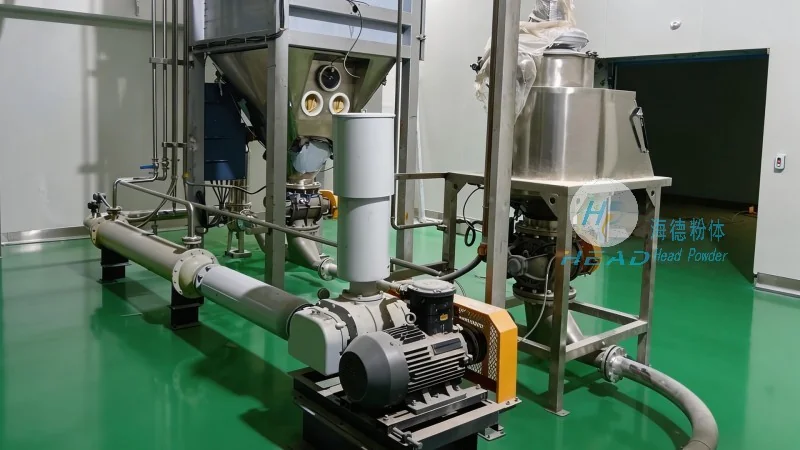
HeadPowder's approach to sand conveying design involves a thorough analysis of the client's operational requirements. This includes assessing the type of sand being handled, the desired throughput, and the operational environment. Based on this analysis, the company designs and manufactures custom conveying equipment that optimizes material flow and minimizes downtime. The company's commitment to quality and innovation is reflected in its use of high-grade materials and advanced manufacturing techniques, ensuring that each system is built to withstand the rigors of industrial use.
A typical sand particle conveying system consists of several key components that work in tandem to achieve efficient material transport. These components include the feed hopper, which holds the sand and regulates the flow into the conveyor; the conveyor itself, which moves the sand from the feed point to the discharge point; and the discharge mechanism, which controls the release of sand at the destination. Additionally, many systems include control systems that monitor and adjust the conveying process in real-time, ensuring consistent performance and preventing issues like overloading or blockages.
The feed hopper is designed to maintain a consistent flow of sand into the conveyor, preventing surges or gaps that could disrupt the process. Its design may include features such as a vibratory feeder or a rotary valve to regulate the flow rate precisely. The conveyor, whether it is a screw, belt, or pneumatic type, is engineered to handle the specific characteristics of sand, such as its abrasive nature, which can affect the wear and tear of the equipment. Proper material selection for the conveyor components, such as wear-resistant coatings or high-strength alloys, is critical to extending the system's lifespan.
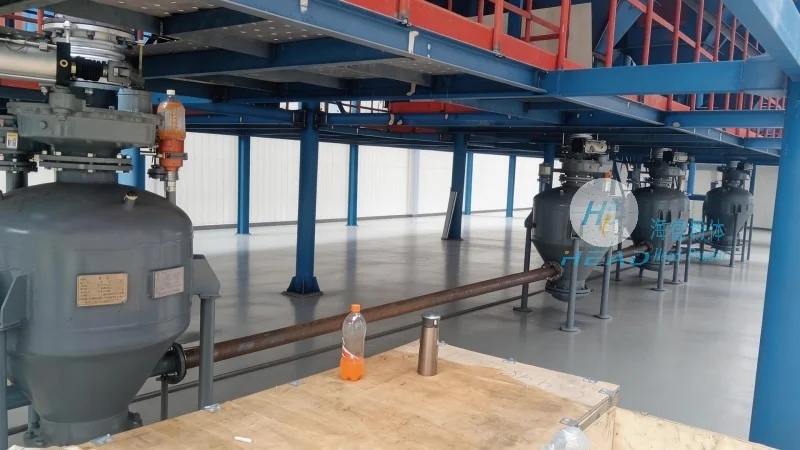
Sand particle material conveying is widely used across various industries, including construction, foundry, mining, and manufacturing. In construction, sand is used as a key ingredient in concrete and mortar, and efficient conveying ensures that construction sites have a steady supply of this material. In foundries, sand is used in the molding process, and conveying systems are essential for moving sand between molding stations and storage areas. The benefits of effective sand conveying extend beyond just material movement; they include improved productivity, reduced labor costs, and enhanced safety by minimizing manual handling of heavy or dusty sand.
Another significant benefit is the reduction of material loss and contamination. Properly designed conveying systems prevent sand from spilling or being contaminated by other materials, which is crucial for maintaining product quality. Additionally, energy efficiency is a key consideration, as conveying systems can consume a substantial amount of power. By optimizing the design, such as using variable speed drives or efficient conveyor types, companies can reduce energy consumption and lower operational costs.
As technology advances, the field of sand particle material conveying continues to evolve. Innovations such as automated control systems, predictive maintenance, and integration with overall plant management systems are becoming more common. These advancements help in optimizing the performance of conveying systems, reducing downtime, and improving overall operational efficiency. For instance, sensors can be used to monitor the condition of conveyor components, alerting maintenance teams to potential issues before they cause a breakdown. This proactive approach to maintenance can significantly reduce repair costs and extend the life of the equipment.
Furthermore, the integration of digital technologies, such as the Internet of Things (IoT), is enabling real-time monitoring and data analysis of conveying systems. This allows operators to make informed decisions about system adjustments, leading to better performance and resource utilization. As the demand for more sustainable and efficient industrial processes grows, sand conveying systems are likely to incorporate more eco-friendly materials and energy-saving technologies, further enhancing their role in modern manufacturing and construction.

 Shandong Headpowder Engineering Co., Ltd.
 156-6277-7102(Manager Zhang)
  0531-83386006
  Zhangqiu District, Jinan City, Shandong Province, China
telephone
WeChatconsult
top