With more than 10‑year industry experience, Shandong Headpowder delivers full‑service pneumatic‑conveying systems and blowers, undertaking nationwide turn‑key powder‑handling projects.
For industries dealing with bulk materials like yellow sand, efficient and reliable powder handling systems are crucial. The yellow sand powder handling system is a specialized solution designed to transport, store, and manage yellow sand in construction, mining, and related sectors. This article explores the core components and design principles behind such systems, highlighting how they enhance operational efficiency and safety, as developed by Shandong HeadPowder Engineering Co., Ltd. (headpowder).
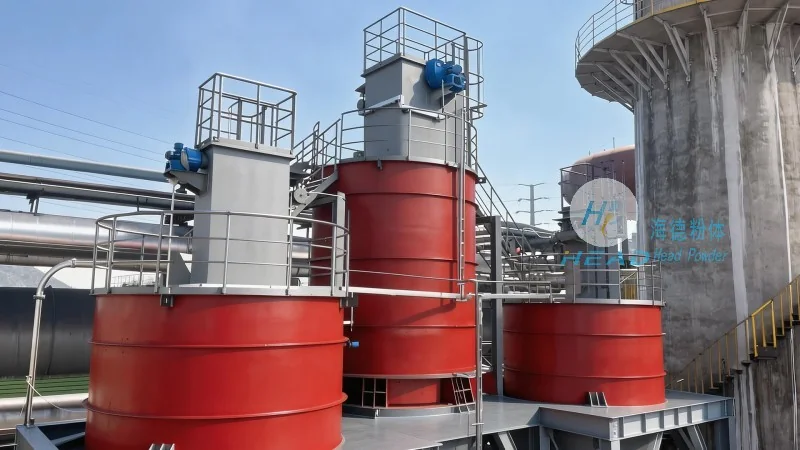
The yellow sand powder handling system, also known as a bulk material handling system, is engineered to handle the transportation of yellow sand from its source to processing facilities or storage areas. It encompasses a range of equipment, including conveyors, hoppers, and control systems, all working in tandem to ensure smooth material flow. The system is tailored to address the unique challenges posed by yellow sand, such as its abrasive nature and potential for dust generation, making it essential for maintaining productivity and safety in industrial settings.
The effectiveness of a yellow sand powder handling system relies on its integrated components, each serving a specific function to optimize material handling. The primary components include:
The design of a yellow sand powder handling system follows several key principles to ensure it operates efficiently and safely. These principles are tailored to the physical properties of yellow sand, such as its density, flowability, and abrasiveness.
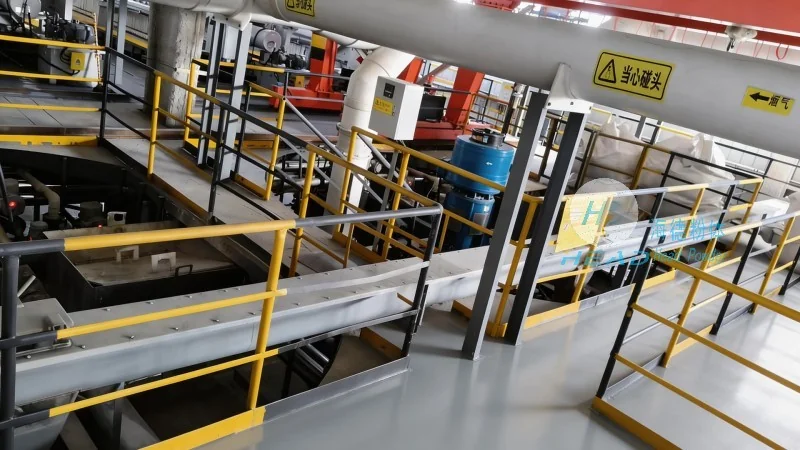
First, the system must address the material's flow characteristics. Yellow sand is typically free-flowing but can become cohesive under certain conditions. The design incorporates features like sloped hoppers and vibration mechanisms to prevent material bridging and ensure consistent flow. This is critical for preventing system downtime and maintaining production rates.
Second, durability is a top priority due to the abrasive nature of yellow sand. All components, especially those in contact with the material, are constructed from wear-resistant materials like stainless steel or special alloys. This ensures the system has a long service life and reduces maintenance costs over time.
Third, safety is paramount. The system includes features like emergency stop buttons, overload protection, and enclosed conveyor sections to minimize the risk of dust exposure and mechanical hazards. These measures comply with industrial safety standards and protect both personnel and equipment.
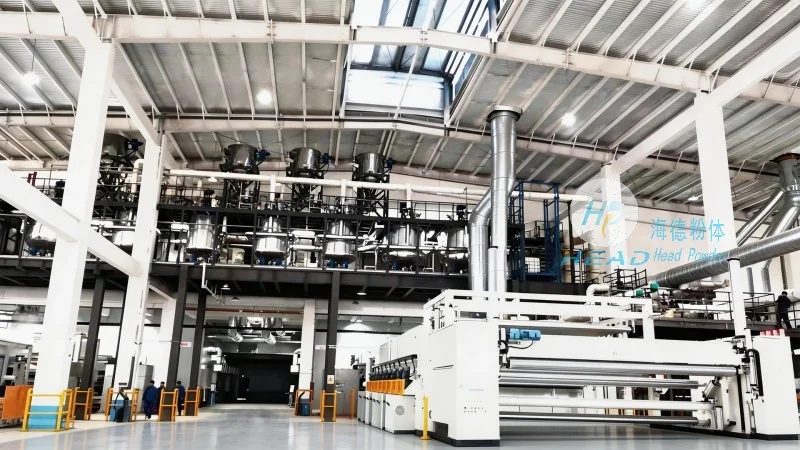
Fourth, energy efficiency is considered in the design. By optimizing conveyor speeds and using efficient control systems, the system minimizes energy consumption while maintaining performance. This not only reduces operational costs but also aligns with sustainability goals.
The yellow sand powder handling system is widely used in various industries, including construction, mining, and manufacturing. Its applications range from transporting sand for concrete production to supplying sand for glass manufacturing. The benefits of implementing such a system include:
In conclusion, the yellow sand powder handling system is a vital component for industries dealing with bulk materials. Its design, incorporating specialized components and adhering to key principles, ensures efficient, safe, and sustainable operation. By understanding these principles and components, businesses can select or design a system that meets their specific needs, enhancing productivity and compliance in the process.

 Shandong Headpowder Engineering Co., Ltd.
 156-6277-7102(Manager Zhang)
  0531-83386006
  Zhangqiu District, Jinan City, Shandong Province, China
telephone
WeChatconsult
top