With more than 10‑year industry experience, Shandong Headpowder delivers full‑service pneumatic‑conveying systems and blowers, undertaking nationwide turn‑key powder‑handling projects.
HeadPowder, a leading manufacturer based in Shandong, China, specializes in the design, development, and production of advanced dry material conveying systems. This article provides an in-depth exploration of the working principles and key features of these essential industrial equipment, highlighting their efficiency, reliability, and versatility in handling various dry materials.
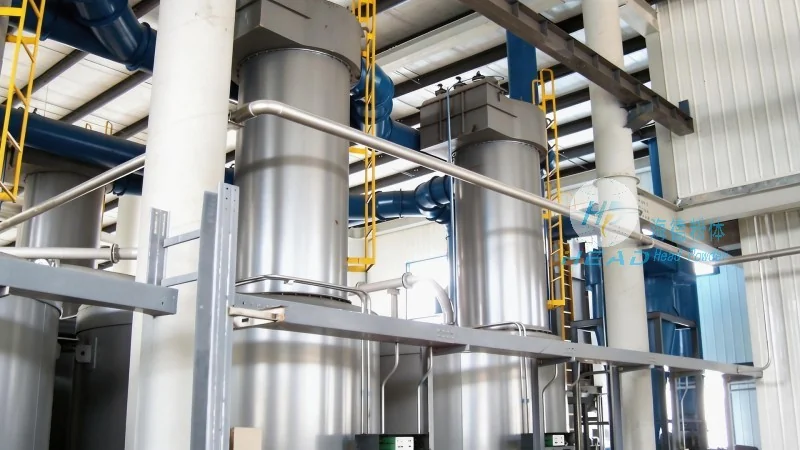
The core function of a dry material conveying system is to transport bulk dry materials from one location to another within an industrial setting. These systems are engineered to handle a wide range of materials, including powders, granules, and other particulate substances, with precision and consistency. The working principle typically involves several key components working in tandem to ensure smooth material flow.
At the heart of the system is the feeding mechanism, which can vary depending on the material properties and application requirements. Common feeding methods include screw feeders, vibratory feeders, and rotary valves. These components are designed to introduce the material into the conveyor at a controlled rate, preventing overloading and ensuring uniform flow. The feeding mechanism is crucial for maintaining the stability of the material stream, which directly impacts the overall performance of the conveying system.
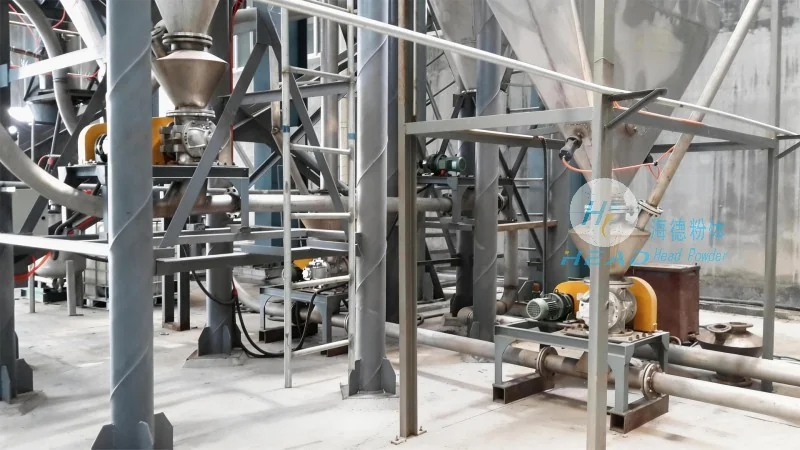
Once the material is fed into the system, it is transported through a conveyor section. This section may consist of various types of conveyors, such as belt conveyors, screw conveyors, or pneumatic conveyors, depending on the specific application. Belt conveyors are widely used for horizontal or slightly inclined transport, offering high capacity and low maintenance. Screw conveyors, on the other hand, are ideal for vertical or inclined transport and can handle materials with different bulk densities. Pneumatic conveyors utilize air pressure to move materials, making them suitable for dusty or hazardous environments.
The conveying process is governed by principles of fluid dynamics and mechanical engineering. The system ensures that the material moves smoothly without excessive friction or blockages. This is achieved through the design of the conveyor components, such as the speed of rotation, the angle of inclination, and the material's flow characteristics. Proper design and maintenance of these components are essential to prevent material degradation, clogging, or system failure.
Dry material conveying systems are characterized by several key features that enhance their functionality and performance in industrial applications. These features are tailored to meet the diverse needs of different industries, including food processing, pharmaceuticals, chemicals, and mining.
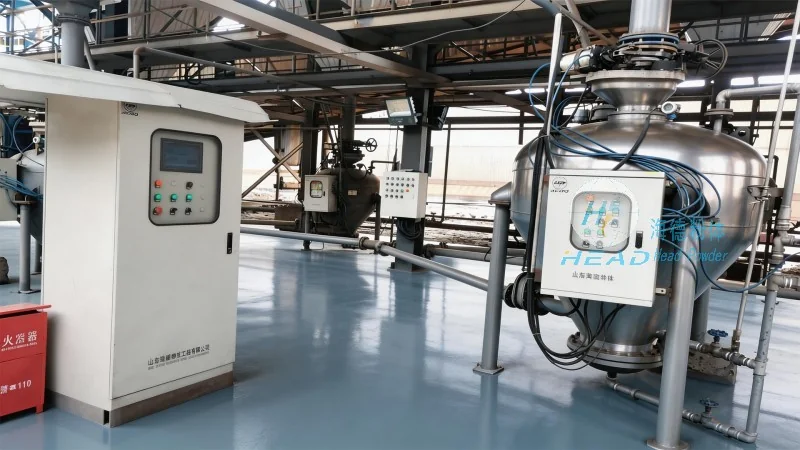
One of the primary features is the ability to handle a wide range of material types and sizes. The systems are designed to accommodate materials with varying particle sizes, shapes, and densities, from fine powders to coarse granules. This versatility makes them suitable for a broad spectrum of applications, from small-scale laboratory operations to large-scale industrial production lines.
Another critical feature is the high efficiency and reliability of the conveying process. Modern dry material conveying systems are equipped with advanced control systems that monitor and regulate the material flow, ensuring consistent performance and minimizing downtime. These systems are designed to operate continuously for extended periods without significant maintenance, reducing operational costs and increasing productivity.
Energy efficiency is also a significant feature of contemporary dry material conveying systems. Manufacturers have incorporated energy-saving technologies, such as variable speed drives and optimized conveyor designs, to reduce power consumption while maintaining or improving conveying capacity. This not only lowers operational costs but also aligns with environmental sustainability goals.
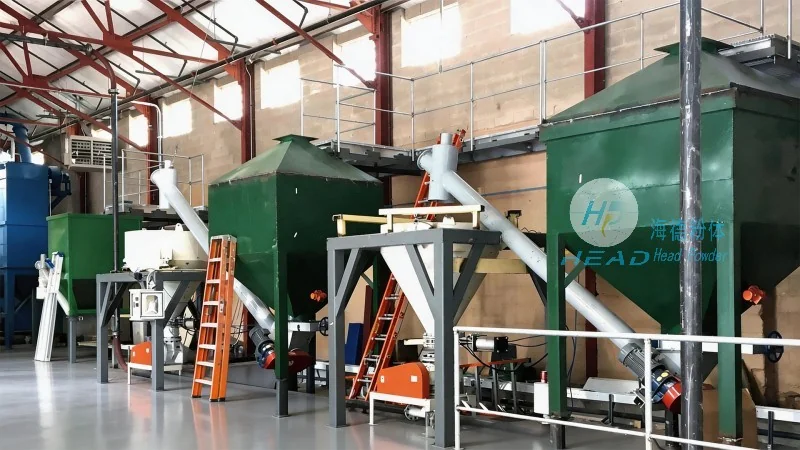
Customization and adaptability are additional key features that set these systems apart. HeadPowder, as a manufacturer, offers tailored solutions to meet specific customer requirements. This includes the ability to adjust conveyor dimensions, feeding rates, and control parameters to suit individual production needs. The systems can be integrated with existing industrial setups or designed as standalone units, providing flexibility in installation and operation.
HeadPowder Engineering Co., Ltd., based in Shandong, China, is a trusted provider of high-quality dry material conveying systems. The company's commitment to innovation, quality, and customer satisfaction has established it as a leader in the industry. By understanding the working principles and key features of these systems, industries can make informed decisions when selecting equipment that best suits their operational needs. Whether for material handling, processing, or storage, HeadPowder's systems offer reliable and efficient solutions for a wide range of applications.

 Shandong Headpowder Engineering Co., Ltd.
 156-6277-7102(Manager Zhang)
  0531-83386006
  Zhangqiu District, Jinan City, Shandong Province, China
telephone
WeChatconsult
top