For industrial applications requiring precise and dust-free material handling, the dust-free metering pneumatic conveying system has emerged as a critical solution. This technology efficiently transports powders and granules while maintaining a clean environment, making it indispensable in sectors such as pharmaceuticals, food processing, and chemical manufacturing. Understanding the core components and design principles of this system is essential for optimizing operational efficiency and ensuring product integrity.
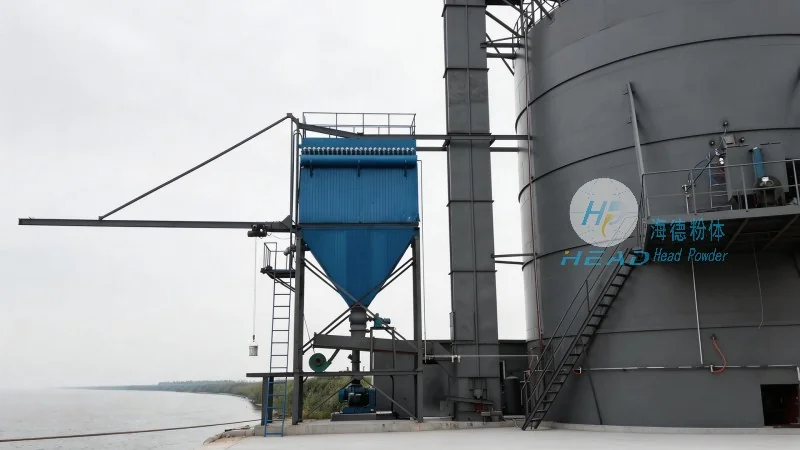
Introduction to Dust-Free Metering Pneumatic Conveying Systems
A dust-free metering pneumatic conveying system is a specialized equipment designed to transport bulk materials through an enclosed pipeline using compressed air. Unlike traditional pneumatic conveying systems that may generate dust and particles, this system incorporates advanced filtration and metering mechanisms to ensure minimal contamination and precise material flow control. The primary goal is to deliver materials with high accuracy, low dust emissions, and consistent performance, addressing the stringent requirements of modern industrial processes.
Key Components and Their Functions
The effectiveness of a dust-free metering pneumatic conveying system relies on its integrated components, each playing a vital role in the overall operation. The main components include:
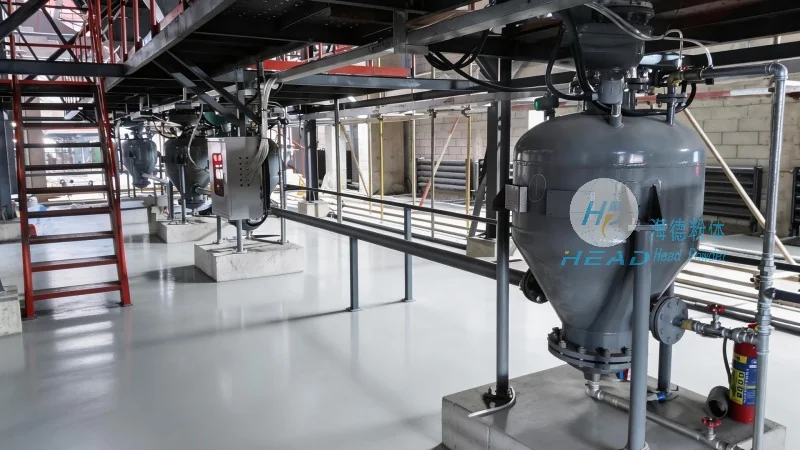
- Feed Hopper and Metering Device: The feed hopper stores the material and feeds it into the system at a controlled rate. The metering device, often a rotary valve or screw feeder, regulates the material flow to achieve precise dosing, ensuring consistent throughput and preventing overloading or underflow.
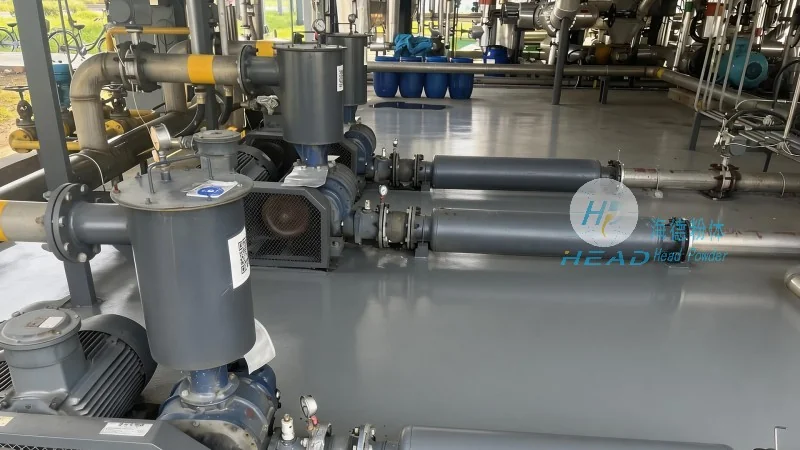
- Compressed Air Supply: A high-pressure air compressor provides the necessary airflow to transport the material through the pipeline. The air pressure is carefully controlled to maintain optimal conveying velocity and minimize energy consumption.
- Conveying Pipeline: The enclosed pipeline, typically made of stainless steel or other corrosion-resistant materials, ensures that the material remains contained and prevents dust leakage. The pipeline design considers factors such as material compatibility, pressure resistance, and flow dynamics to ensure smooth transport.
- Separation and Filtration System: This component is crucial for maintaining dust-free conditions. It includes cyclone separators, bag filters, or cartridge filters that capture any particles or dust generated during the conveying process, ensuring that the material is delivered in a clean state and that the air is safely discharged or recycled.
- Control System: An automated control system monitors and adjusts the operation of the entire system. It regulates air pressure, material flow, and filtration efficiency, allowing for real-time adjustments to maintain optimal performance and prevent system failures.
Design Principles for Optimal Performance
The design of a dust-free metering pneumatic conveying system is guided by several key principles aimed at maximizing efficiency, accuracy, and safety. These principles include:
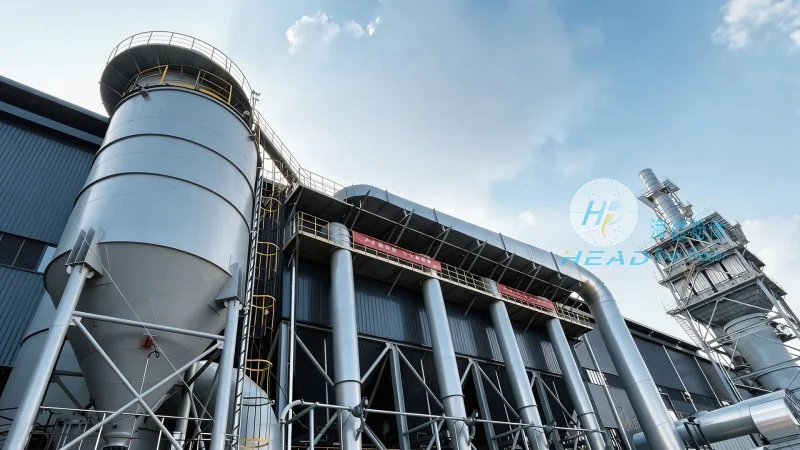
- Pressure and Flow Control: Maintaining consistent air pressure and flow rate is essential for stable material transport. The system is designed to operate within specific pressure ranges to ensure that the material is conveyed at the desired velocity without causing excessive wear or energy waste.
- Material Compatibility: The components of the system are selected based on the properties of the material being conveyed, such as particle size, density, and moisture content. Stainless steel or specialized materials are often used to prevent corrosion and ensure long-term durability.
- Dust Suppression and Filtration: Advanced filtration technologies are integrated to minimize dust emissions and maintain a clean environment. The filtration system is designed to capture particles as small as microns, ensuring that the material reaches its destination without contamination.
- Energy Efficiency: The system is engineered to minimize energy consumption by optimizing air pressure and flow rates. This not only reduces operational costs but also aligns with sustainability goals in industrial applications.
- Safety and Compliance: The design adheres to safety standards and regulations, incorporating features such as pressure relief valves, emergency shut-off mechanisms, and monitoring systems to prevent accidents and ensure compliance with industry guidelines.
Applications and Benefits in Industrial Settings
Dust-free metering pneumatic conveying systems are widely used in various industries due to their ability to handle sensitive materials while maintaining high precision and cleanliness. Some common applications include:
- Pharmaceutical Industry: In pharmaceutical manufacturing, the system is used to transport active pharmaceutical ingredients (APIs) and excipients with minimal contamination, ensuring product quality and regulatory compliance.
- Food Processing: The system is ideal for handling food-grade powders and granules, such as sugar, flour, and spices, without introducing dust or contaminants that could affect product safety and taste.
- Chemical Manufacturing: Chemical companies use this system to transport reactive powders and granules, ensuring safe and precise handling while preventing dust explosions and contamination.
- Mineral and Mining: The system is employed in the mining industry to transport raw materials and finished products, such as minerals and ores, with high efficiency and minimal environmental impact.
By integrating these design principles and components, dust-free metering pneumatic conveying systems offer significant benefits, including improved product quality, reduced operational costs, enhanced safety, and compliance with industry standards. The technology continues to evolve, with advancements in filtration, control systems, and material handling capabilities, making it an essential solution for modern industrial processes.
HeadPowder, a leading provider of engineering solutions, specializes in designing and manufacturing dust-free metering pneumatic conveying systems tailored to the specific needs of various industries. With a focus on precision, efficiency, and safety, HeadPowder's systems are built to deliver reliable performance and long-term value. Located in Shandong, China, HeadPowder leverages advanced technology and expertise to meet the evolving demands of industrial material handling. For more information on their products and services, please visit their official website or contact their sales team.

 Shandong Headpowder Engineering Co., Ltd.
 156-6277-7102(Manager Zhang)
  0531-83386006
  Zhangqiu District, Jinan City, Shandong Province, China