With more than 10‑year industry experience, Shandong Headpowder delivers full‑service pneumatic‑conveying systems and blowers, undertaking nationwide turn‑key powder‑handling projects.
HeadPowder, a leading manufacturer based in Shandong, China, specializes in the design and production of advanced pneumatic conveying systems. Our expertise lies in equipment tailored for handling polyvinyl alcohol formaldehyde (PVA-F) materials, a critical component in various industrial applications. This article delves into the fundamental principles behind the operation of such systems, highlighting the technical aspects and operational efficiency that define our solutions.
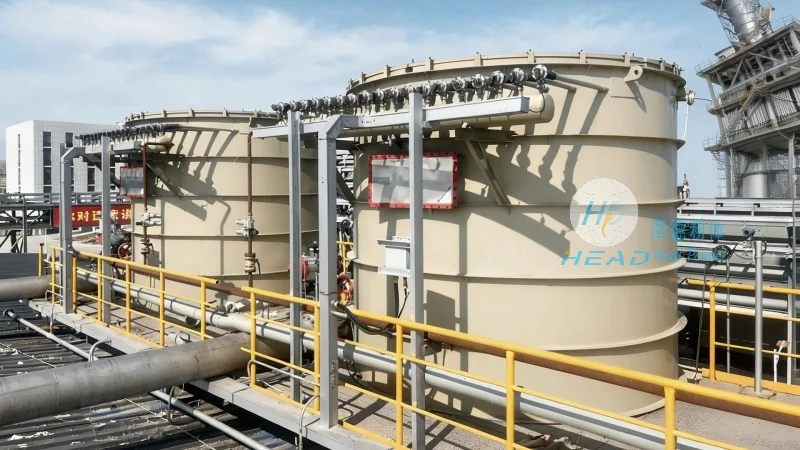
Pneumatic conveying is a method of transporting bulk materials through a pipeline using a stream of air or gas. This technology offers numerous advantages over traditional mechanical conveying, including reduced equipment wear, improved material handling flexibility, and enhanced safety in handling potentially hazardous substances. For polyvinyl alcohol formaldehyde, which is often used in adhesives, coatings, and other chemical products, pneumatic conveying provides a reliable and efficient means of moving the material from storage to processing units.
The pneumatic conveying system for polyvinyl alcohol formaldehyde typically consists of several core components that work in tandem to ensure smooth material transport. These include a hopper or feeder to introduce the material into the system, a blower or compressor to generate the air flow, a pipeline network to guide the material, and a receiver or collection unit to discharge the material at the destination. Each component is carefully engineered to handle the specific properties of PVA-F, such as its moisture content, particle size, and flow characteristics.
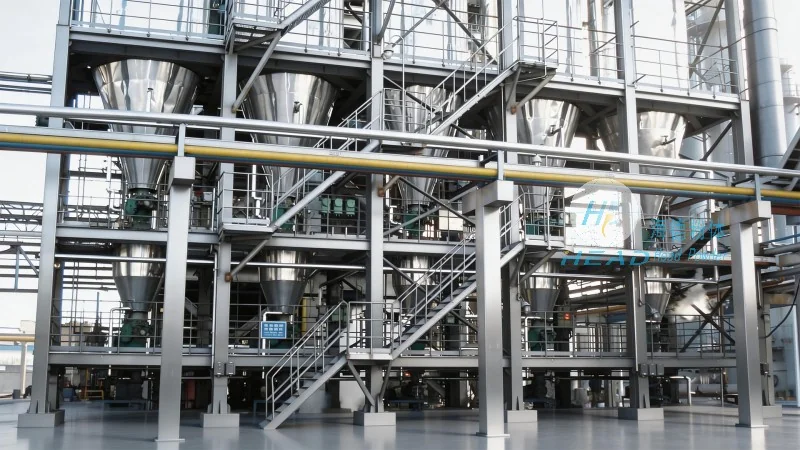
The operation of the polyvinyl alcohol formaldehyde pneumatic conveying system is based on the principle of fluidization and suspension. When air is introduced into the material in the hopper, it creates a fluidized bed, where the particles are suspended and transported through the pipeline. The velocity of the air stream is crucial; it must be sufficient to keep the particles in suspension but not so high as to cause excessive pressure drop or equipment wear. The system may operate in either dilute-phase or dense-phase mode, depending on the material's characteristics and the required conveying distance. In dilute-phase systems, the material is carried as a fine mist, while in dense-phase systems, the material is conveyed in a more concentrated form, often with a lower air velocity.
Implementing a pneumatic conveying system for polyvinyl alcohol formaldehyde offers several key benefits. Firstly, it minimizes the risk of material contamination, as the entire process is enclosed and controlled. Secondly, it reduces labor costs by automating the material handling process, eliminating the need for manual loading and unloading. Thirdly, it improves process efficiency by ensuring consistent material flow rates and reducing downtime due to equipment maintenance. Additionally, the system can be easily integrated with other processing equipment, such as mixers or reactors, to form a seamless production line.
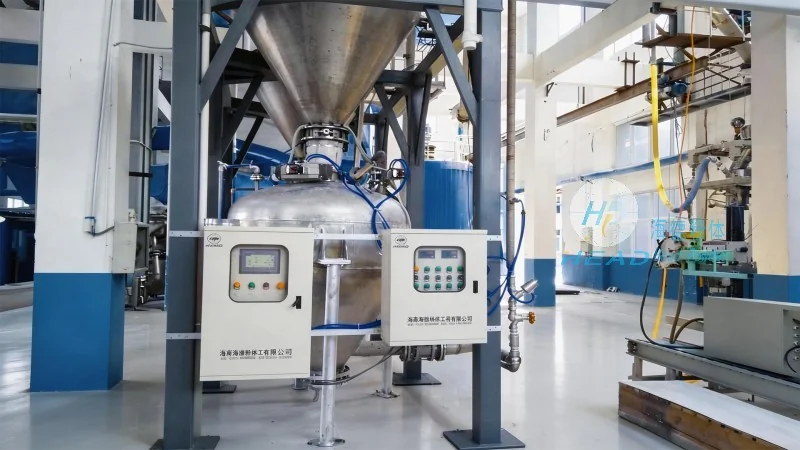
Polyvinyl alcohol formaldehyde is widely used in the manufacturing of adhesives, paper coatings, and textile treatments. In these industries, the pneumatic conveying system plays a vital role in moving the material from raw material storage to the production line. For instance, in adhesive production, the PVA-F is conveyed from a storage silo to a mixing tank, where it is combined with other ingredients to form the final adhesive product. The system ensures that the material is delivered in a consistent and controlled manner, maintaining the quality and performance of the final product.
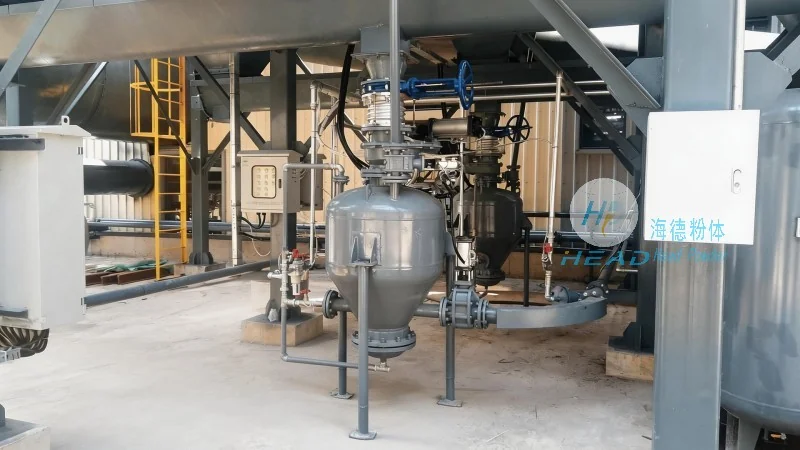
To ensure the long-term reliability and efficiency of the pneumatic conveying system, regular maintenance is essential. This includes checking the air pressure and flow rates, inspecting the pipeline for blockages or leaks, and cleaning the system to prevent material buildup. HeadPowder provides comprehensive support for our customers, including maintenance services and technical guidance to optimize the performance of the equipment. By adhering to proper operational procedures and maintenance schedules, the system can operate at peak efficiency, minimizing downtime and maximizing productivity.
HeadPowder's pneumatic conveying equipment for polyvinyl alcohol formaldehyde exemplifies the advanced technology and engineering expertise of our company. By understanding the fundamental principles of pneumatic conveying and tailoring the system to the specific needs of the material, we deliver solutions that enhance operational efficiency, improve product quality, and reduce costs. Our commitment to quality and customer satisfaction ensures that our customers receive reliable and durable equipment that meets their industrial requirements. With our headquarters in Shandong, China, we continue to serve clients worldwide with innovative and effective pneumatic conveying solutions.

 Shandong Headpowder Engineering Co., Ltd.
 156-6277-7102(Manager Zhang)
  0531-83386006
  Zhangqiu District, Jinan City, Shandong Province, China
telephone
WeChatconsult
top