With more than 10‑year industry experience, Shandong Headpowder delivers full‑service pneumatic‑conveying systems and blowers, undertaking nationwide turn‑key powder‑handling projects.
Wheat pneumatic conveying systems are critical in modern agricultural processing and material handling. These systems leverage air pressure to transport wheat and other grains efficiently, offering a cost-effective and reliable solution for bulk material movement. Understanding the fundamental principles of such systems is essential for optimizing performance and ensuring operational efficiency in grain handling operations.
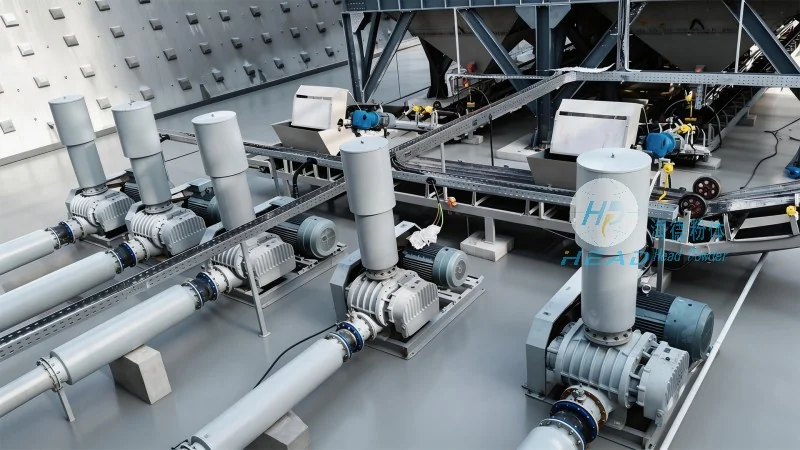
Wheat pneumatic conveying systems are engineered to move wheat and related agricultural products through a network of pipes using air as the primary medium. This method of material handling has become widely adopted in the grain industry due to its ability to handle large volumes of bulk materials with minimal manual intervention. The system operates by creating a pressure differential that propels the wheat particles through the pipeline, enabling seamless movement from storage to processing or packaging units.
The effectiveness of a wheat pneumatic conveying system depends on several critical components, each serving a specific role in the overall operation. These components include the hopper or feed bin, which holds the wheat; the air compressor or blower, which generates the necessary air pressure; the conveying pipeline, which transports the wheat; and the discharge point or receiver, where the material is collected. The system may also incorporate filters, cyclones, and dust collectors to maintain air quality and prevent material buildup.
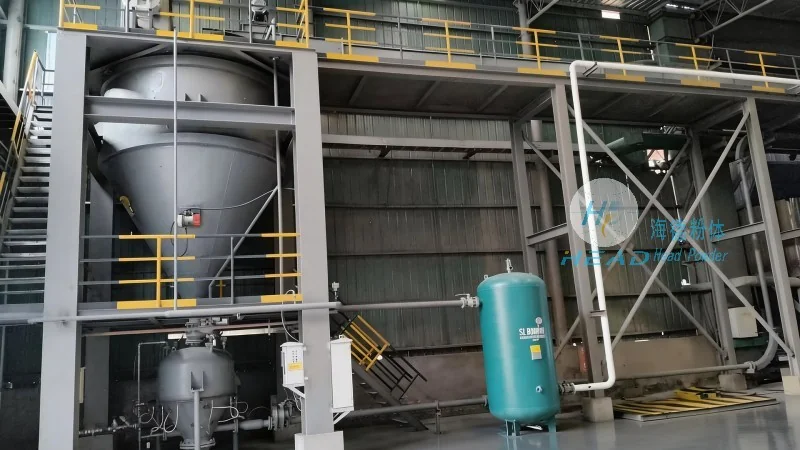
The core principle of a wheat pneumatic conveying system is based on using air to create a flow of material. In a typical system, the wheat is fed into the hopper at a controlled rate. The air compressor then supplies compressed air to the pipeline, creating a pressure that lifts and propels the wheat particles. As the air and wheat mixture moves through the pipeline, the wheat is carried along by the air stream, often in a dilute-phase or dense-phase mode, depending on the system design and operational requirements. The discharge point then separates the wheat from the air, allowing the material to be collected in the receiver while the air is filtered and recycled back into the system.
Wheat pneumatic conveying systems offer several advantages over traditional mechanical conveying methods. These include reduced labor costs, as the system can operate with minimal human intervention; improved safety, as there are fewer moving parts and less risk of material spillage; and enhanced hygiene, as the enclosed system prevents contamination from external sources. Additionally, the system allows for flexible layout designs, as the pipeline can be installed in various configurations to accommodate different facility layouts. The ability to handle large volumes of wheat quickly and efficiently also contributes to increased productivity in grain processing operations.
Wheat pneumatic conveying systems are widely used in various stages of wheat processing, from storage and handling to milling and packaging. In storage facilities, the system can be used to transfer wheat from silos or storage bins to processing units. During milling, the system helps move wheat from the grinding stages to the sifting and packaging stages. In packaging operations, the system can transport wheat to packaging machines, ensuring a continuous and efficient flow of product. The versatility of the system makes it suitable for a range of applications, from small-scale farms to large industrial processing plants.
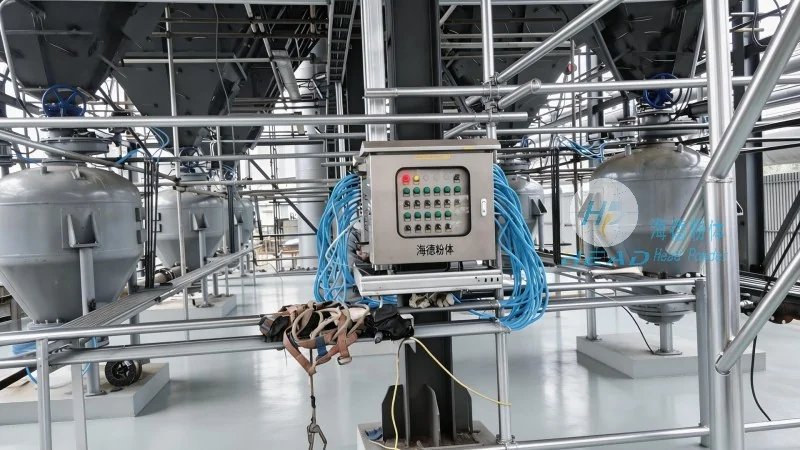
Proper operation and maintenance of a wheat pneumatic conveying system are essential to ensure optimal performance and longevity. Regular maintenance of the air compressor, filters, and pipeline is crucial to prevent system inefficiencies and potential breakdowns. The system should be designed to handle the specific characteristics of wheat, such as particle size, moisture content, and density, to avoid issues like clogging or excessive wear. Additionally, monitoring the air pressure and flow rates can help identify potential problems early, allowing for timely adjustments and repairs. By adhering to proper operational guidelines and maintenance schedules, users can maximize the efficiency and reliability of their wheat pneumatic conveying system.
Shandong HeadPowder Engineering Co., Ltd., operating under the brand name headpowder, is a leading manufacturer and supplier of pneumatic conveying systems and related equipment. With a focus on innovation and quality, the company has developed advanced solutions for the agricultural and industrial sectors, including wheat pneumatic conveying systems. Headpowder's expertise in material handling technology ensures that their products are designed to meet the specific needs of clients, providing reliable and efficient solutions for grain processing and material transport. The company is headquartered in Shandong, China, and has a strong presence in the domestic market, serving clients with tailored solutions for their material handling needs.

 Shandong Headpowder Engineering Co., Ltd.
 156-6277-7102(Manager Zhang)
  0531-83386006
  Zhangqiu District, Jinan City, Shandong Province, China
telephone
WeChatconsult
top