With more than 10‑year industry experience, Shandong Headpowder delivers full‑service pneumatic‑conveying systems and blowers, undertaking nationwide turn‑key powder‑handling projects.
For industrial applications involving the transport of bulk materials like coal and coke, efficient and reliable handling systems are crucial. Pneumatic conveying equipment, specifically designed for such powders, offers a solution that combines performance with durability. This article explores the structural principles and working mechanisms of coal and coke pneumatic conveying systems, highlighting the key components and operational dynamics that make them effective in various industrial settings.
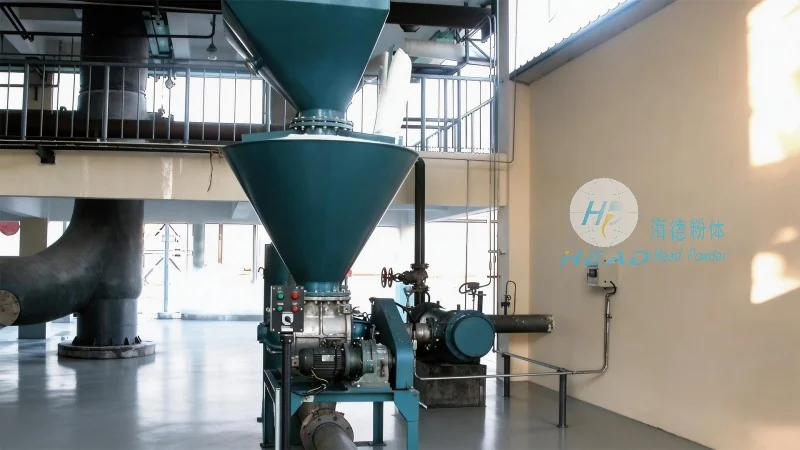
Coal and coke are essential raw materials in many industrial processes, including power generation, steel production, and chemical manufacturing. The efficient transport of these materials from storage to processing units is critical for maintaining operational efficiency and minimizing downtime. Pneumatic conveying systems provide a non-contact method of material transport, which reduces wear and tear on equipment and ensures a clean, dust-free transfer. HeadPowder, a leading manufacturer based in Shandong, China, specializes in the design and production of advanced pneumatic conveying equipment tailored for coal and coke applications.
The core components of a coal and coke pneumatic conveying system include the hopper, feeder, air compressor, conveying line, and receiver. Each component plays a vital role in the overall operation of the system. The hopper serves as the storage container, holding the bulk material until it is ready to be conveyed. The feeder, typically a rotary valve or a screw feeder, regulates the flow of material from the hopper into the conveying line. The air compressor generates the necessary pressure to move the material through the system. The conveying line, usually made of stainless steel or other corrosion-resistant materials, transports the material and air mixture. The receiver collects the conveyed material and separates it from the air, which is then filtered and returned to the system or released.
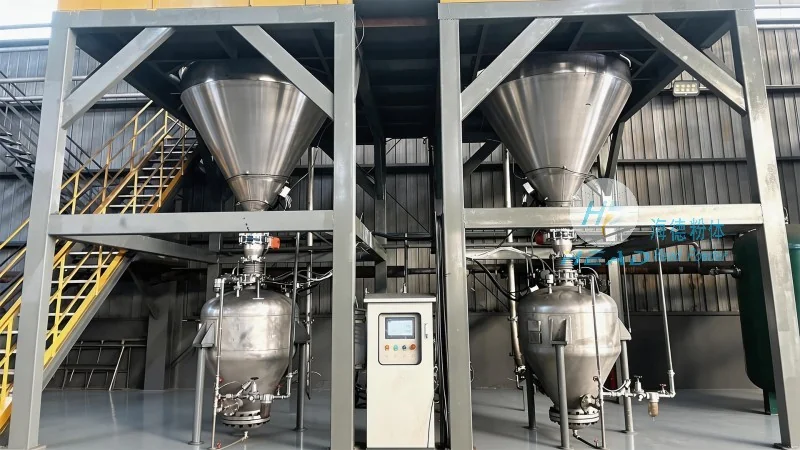
The operation of a coal and coke pneumatic conveying system involves the creation of a pressure differential between the hopper and the receiver. The air compressor increases the pressure in the conveying line, which forces the material to move from the hopper through the feeder and into the line. As the material is entrained by the air, it travels through the conveying line to the receiver. The receiver then separates the material from the air using a cyclone or other filtration system. The separated air is either recirculated back into the system or vented to the atmosphere, depending on the system design. The efficiency of the system depends on factors such as the material's density, particle size, and moisture content, as well as the air pressure and flow rate.
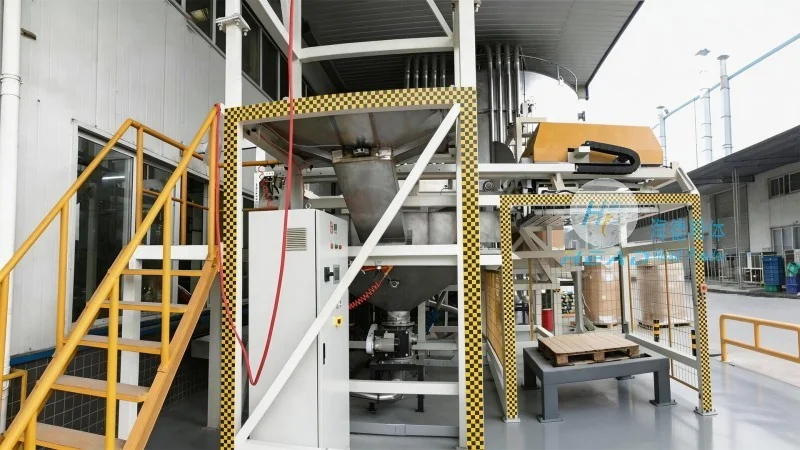
Compared to traditional mechanical conveying methods, pneumatic conveying offers several advantages for coal and coke transport. These include reduced maintenance costs due to fewer moving parts, lower risk of material contamination, and the ability to handle materials with high moisture content or abrasive properties. Additionally, pneumatic systems can transport materials over longer distances and through multiple points of discharge, making them suitable for complex industrial layouts. The non-contact nature of the system also minimizes product degradation and ensures a consistent quality of the conveyed material.
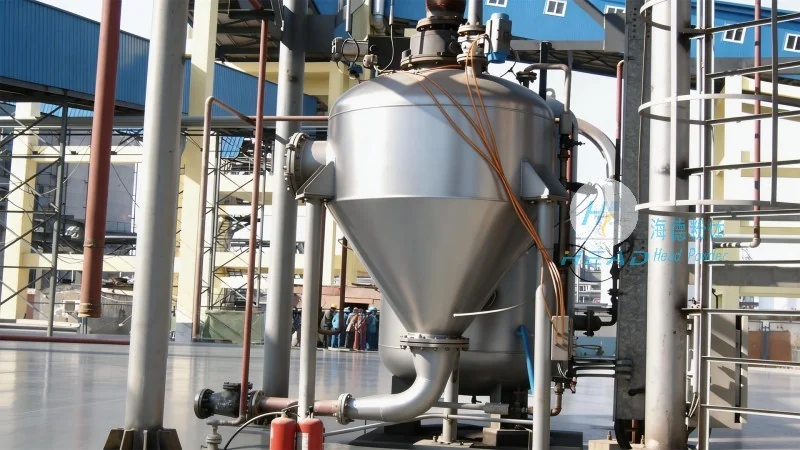
Coal and coke pneumatic conveying systems are widely used in various industries. In power plants, they are used to transport coal from storage silos to boilers. In steel mills, they handle coke from the coking process to the blast furnace. In chemical plants, they transport coal-derived powders for further processing. The versatility of these systems allows them to be adapted to different operational requirements, including high-capacity transport and precise dosing applications. HeadPowder's equipment is designed to meet the specific needs of these industries, ensuring reliable and efficient material handling.
Pneumatic conveying equipment for coal and coke is a critical component in modern industrial operations, providing an efficient and reliable method for bulk material transport. The structural principles and working mechanisms of these systems, as explained above, highlight the importance of each component in achieving optimal performance. With advanced design and manufacturing capabilities, companies like Shandong HeadPowder Engineering Co., Ltd. continue to enhance the capabilities of pneumatic conveying systems, supporting the needs of various industries in China and beyond.

 Shandong Headpowder Engineering Co., Ltd.
 156-6277-7102(Manager Zhang)
  0531-83386006
  Zhangqiu District, Jinan City, Shandong Province, China
telephone
WeChatconsult
top