With more than 10‑year industry experience, Shandong Headpowder delivers full‑service pneumatic‑conveying systems and blowers, undertaking nationwide turn‑key powder‑handling projects.
HeadPowder, a leading provider in the field, specializes in carbon powder handling solutions through advanced pneumatic conveying technologies. This article provides an overview of carbon powder pneumatic conveying systems, detailing their operational principles and the benefits they offer in material transport.
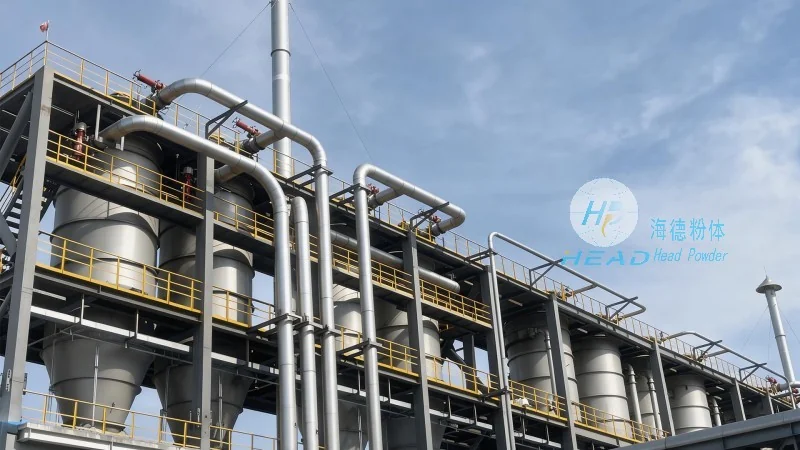
Pneumatic conveying systems are designed to transport bulk materials, such as carbon powders, using a combination of air flow and pressure. These systems are widely used in industries that require efficient, dust-free, and controlled material movement. The core components of a typical pneumatic conveying system include a material feed hopper, a conveyor line, a receiver, and a control system. The system operates by drawing air through the conveyor line, which then carries the carbon powder particles along the path. This method eliminates the need for mechanical components like belts or buckets, reducing maintenance and increasing operational efficiency.
The effectiveness of a carbon powder pneumatic conveying system depends on several critical components. The material feed hopper is responsible for storing and feeding the carbon powder into the system. It often includes a rotary valve or a feeder to regulate the flow rate, ensuring a consistent supply of material. The conveyor line, typically made of stainless steel or other corrosion-resistant materials, is where the air and powder mixture travels. The line may include bends, expansions, or restrictions to control the flow dynamics. The receiver, or discharge hopper, collects the conveyed carbon powder and can be equipped with a discharge valve for controlled release. Finally, the control system monitors and adjusts the air pressure, flow rate, and material feed to maintain optimal performance. Each component works in harmony to ensure the smooth and efficient transport of carbon powders.
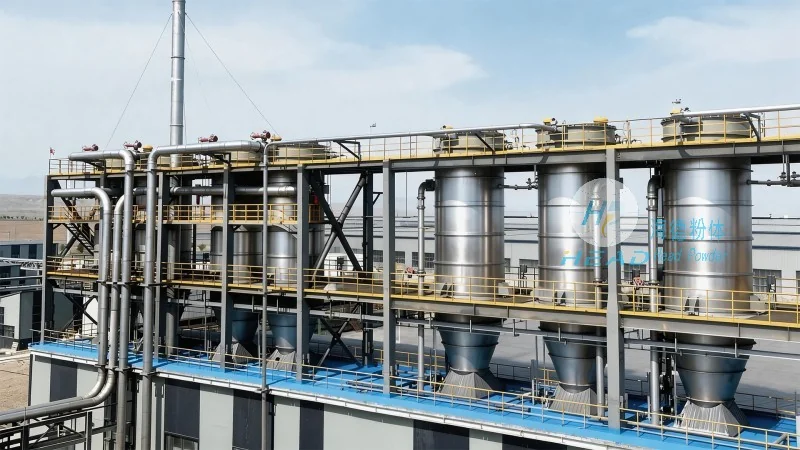
The working principle of a carbon powder pneumatic conveying system involves creating a flow of air that can carry the powder particles. There are two main types of pneumatic conveying systems: pressure and vacuum. Pressure systems use compressed air to push the material through the conveyor line, while vacuum systems use a vacuum pump to draw the material into the line. For carbon powders, pressure systems are often preferred due to their ability to handle higher material loads and longer distances. The process begins with the carbon powder being fed into the hopper. The feeder then meters the powder into the conveyor line, where it is mixed with the compressed air. The air flow creates a stream that lifts and transports the powder particles. As the mixture travels through the line, it may encounter various components like bends or filters to maintain the flow. The receiver collects the powder, and the air is either filtered and recirculated or released into the atmosphere. This continuous cycle ensures the reliable and efficient transport of carbon powders from the source to the destination.
Implementing a pneumatic conveying system for carbon powders offers numerous advantages. First, it provides a dust-free and clean transport method, which is crucial for maintaining product quality and safety in industrial settings. Unlike mechanical systems, pneumatic conveying does not generate dust or particles that can contaminate the environment or the product. Second, it allows for precise control over the material flow rate and pressure, ensuring consistent and reliable transport. This control is essential for processes that require accurate dosing or uniform material distribution. Third, the system is compact and can be integrated into existing facilities with minimal modifications. It eliminates the need for large mechanical components, saving space and reducing installation costs. Additionally, pneumatic conveying systems are highly flexible and can be adapted to handle different types of carbon powders, from fine powders to larger granules. The ability to adjust the system parameters to match the specific material characteristics makes it a versatile solution for various industrial applications.
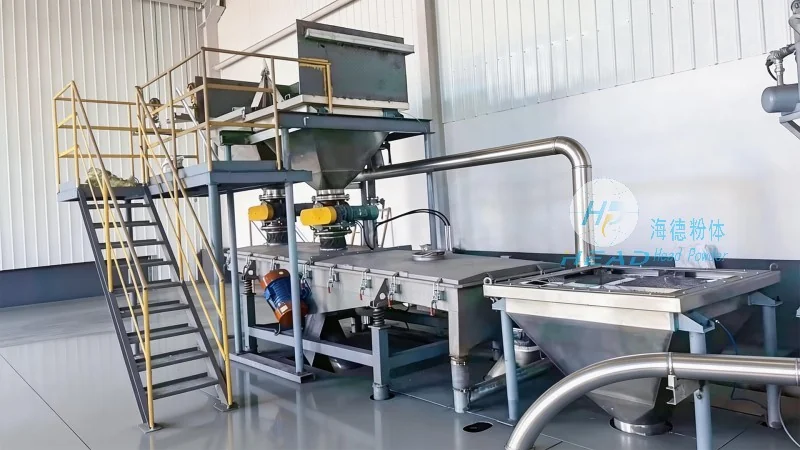
Carbon powder pneumatic conveying systems are widely used in various industrial sectors. In the chemical industry, they are employed to transport carbon powders used in the production of coatings, pigments, and other chemical products. The food industry also utilizes these systems for handling carbon powders in food processing, such as in the production of carbonated beverages or as a food additive. The pharmaceutical industry benefits from the dust-free and sterile environment provided by pneumatic conveying, ensuring that carbon powders used in drug formulations are handled without contamination. Additionally, in the manufacturing of batteries and electronics, carbon powders are transported using pneumatic systems to ensure the purity and quality of the materials used in production. Each application leverages the efficiency and control of pneumatic conveying to meet the specific requirements of the industry, from maintaining product integrity to optimizing production processes.
Shandong HeadPowder Engineering Co., Ltd., operating under the brand name HeadPowder, is a leading manufacturer and supplier of pneumatic conveying systems for carbon powders. With a strong presence in China, particularly in Shandong, the company has established itself as a trusted partner for industries requiring reliable material handling solutions. HeadPowder specializes in designing and manufacturing customized pneumatic conveying systems tailored to the unique needs of each client. The company's expertise lies in understanding the specific properties of carbon powders, such as their particle size, density, and flow characteristics, and designing systems that can effectively handle these materials. By leveraging advanced engineering and technology, HeadPowder ensures that its systems are efficient, durable, and cost-effective. The company's commitment to quality and customer satisfaction has earned it a reputation for delivering high-performance pneumatic conveying solutions that meet the stringent requirements of modern industrial applications. Whether for new installations or system upgrades, HeadPowder provides comprehensive support, from initial consultation and design to installation and maintenance, ensuring that clients receive the best possible solution for their carbon powder handling needs.

 Shandong Headpowder Engineering Co., Ltd.
 156-6277-7102(Manager Zhang)
  0531-83386006
  Zhangqiu District, Jinan City, Shandong Province, China
telephone
WeChatconsult
top