

Types, Features, and Application Ranges of Gypsum and Fly Ash Pneumatic Conveying Systems
For industrial applications involving the transport of gypsum and fly ash, the selection of an appropriate pneumatic conveying system is crucial for efficiency, reliability, and operational safety. Shandong HeadPowder Engineering Co., Ltd., a leading provider in the field, specializes in designing and manufacturing customized solutions tailored to the unique demands of various industries. This article explores the different types of pneumatic conveying systems used for gypsum and fly ash, highlighting their key features and typical application ranges.
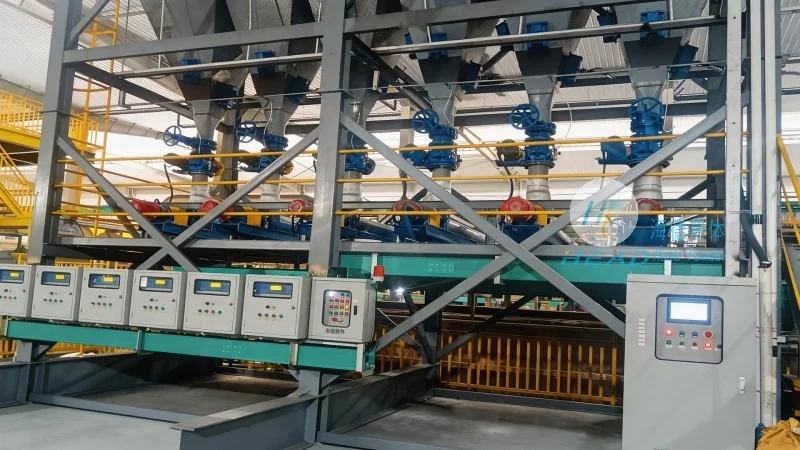
Understanding Pneumatic Conveying Systems for Gypsum and Fly Ash
Pneumatic conveying systems are widely utilized in the handling of bulk materials like gypsum and fly ash due to their ability to transport powders and fine particles over considerable distances without the need for mechanical components such as belts or buckets. These systems operate by using air or gas to move material through a pipeline network, offering advantages such as reduced equipment wear, lower maintenance costs, and enhanced safety compared to traditional methods.
Types of Pneumatic Conveying Systems
There are primarily three types of pneumatic conveying systems commonly employed for gypsum and fly ash: suction (or vacuum) systems, pressure systems, and mixed (or combined) systems. Each type has distinct characteristics and is suited to different operational requirements.
Suction (Vacuum) Pneumatic Conveying Systems
Suction systems operate by creating a negative pressure at the material inlet, drawing the material into the pipeline using an air stream. This type of system is particularly effective for conveying materials from multiple sources or over relatively short distances, often in applications where the material is to be collected from a storage silo or hopper. The primary advantage of suction systems is their ability to handle materials with a wide range of particle sizes and moisture content, making them suitable for handling gypsum and fly ash from various sources.
Pressure Pneumatic Conveying Systems
Pressure systems, on the other hand, generate positive pressure at the material discharge point, pushing the material through the pipeline. These systems are ideal for long-distance transport, as they can maintain consistent material flow rates over extended lengths. Pressure systems are commonly used in applications where the material needs to be delivered to multiple destinations or where the conveying distance exceeds the capabilities of suction systems. They are particularly effective for handling fly ash, which often requires high-pressure transport to ensure reliable delivery to processing units.
Mixed (Combined) Pneumatic Conveying Systems
Mixed systems combine elements of both suction and pressure systems, offering flexibility in material handling. These systems typically feature a suction section at the material source and a pressure section for the final delivery. This configuration allows for the efficient transport of materials from multiple collection points to a central processing facility. Mixed systems are versatile and can adapt to varying operational conditions, making them suitable for complex industrial setups where both suction and pressure capabilities are required.
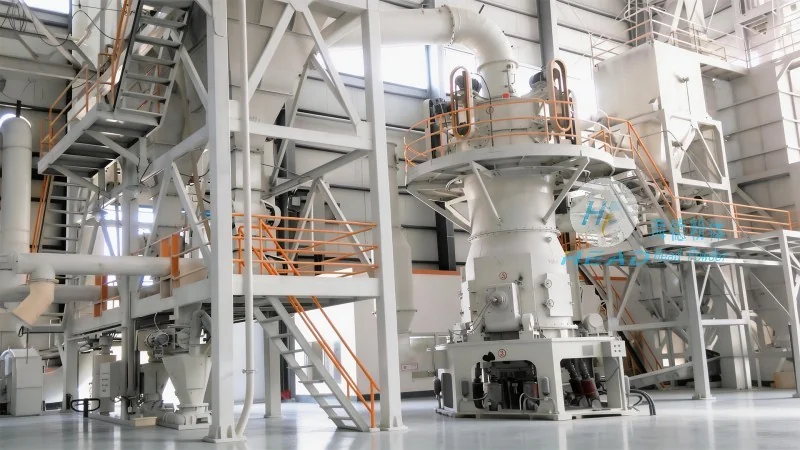
Key Features of Gypsum and Fly Ash Pneumatic Conveying Systems
Regardless of the type, modern pneumatic conveying systems for gypsum and fly ash are characterized by several key features that enhance performance and operational efficiency. These include:
Efficient Material Handling
Advanced pneumatic conveying systems are designed to handle high volumes of gypsum and fly ash with minimal downtime. The use of high-efficiency air movers and optimized pipeline designs ensures consistent material flow rates, reducing the risk of blockages or material degradation. This efficiency is crucial for maintaining production schedules in industrial facilities, particularly in cement and power generation plants where these materials are commonly used.
Environmental and Safety Benefits
Compared to traditional bulk handling methods, pneumatic conveying systems offer significant environmental and safety advantages. The enclosed pipeline system prevents dust emissions, reducing the risk of air pollution and occupational health hazards. Additionally, the absence of moving parts in the conveying line minimizes the potential for mechanical failures, enhancing workplace safety. Shandong HeadPowder Engineering Co., Ltd. incorporates these features into their designs to meet stringent environmental regulations and ensure safe operation for their clients.
Customization and Flexibility
One of the standout features of systems from Shandong HeadPowder Engineering Co., Ltd. is their ability to be customized to meet specific client requirements. Whether it's adjusting the system for different material properties, modifying the conveying distance, or integrating with existing plant infrastructure, these solutions are designed to be adaptable. This flexibility allows industries to optimize their material handling processes without the need for extensive modifications to their current operations.
Application Ranges of Gypsum and Fly Ash Pneumatic Conveying Systems
The versatility of pneumatic conveying systems makes them suitable for a wide range of applications in the industrial sector. The primary industries that benefit from these systems include:
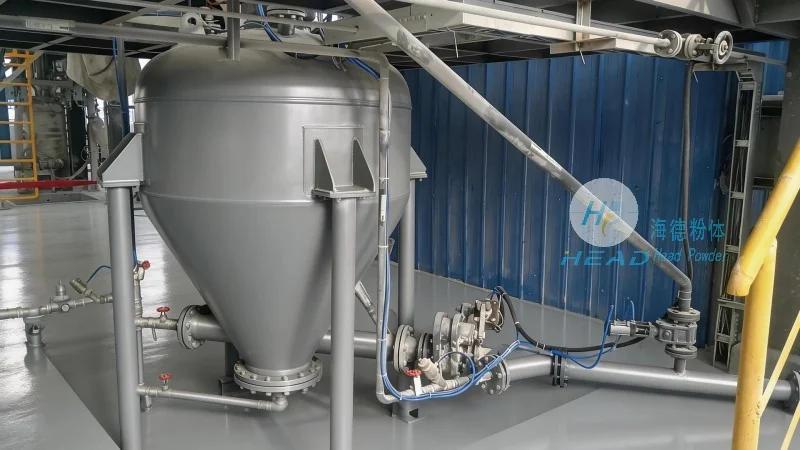
Cement and Concrete Manufacturing
Gypsum is a critical component in the production of cement and concrete, used as a set retarder to control the hydration process. Pneumatic conveying systems are used to transport gypsum from storage silos to the cement grinding mills or concrete mixing plants. This ensures a consistent supply of high-quality gypsum, which is essential for maintaining the desired properties of the final product. The systems are designed to handle the fine, powdery nature of gypsum without causing dust or clogging, ensuring reliable operation in high-demand production environments.
Power Generation and Coal-Fired Plants
Fly ash, a byproduct of coal combustion, is commonly used as a supplementary cementitious material in concrete production. Pneumatic conveying systems are employed to transport fly ash from the boiler ash hoppers to storage silos or directly to concrete batching plants. These systems are capable of handling large volumes of fly ash, often with high moisture content, and can maintain consistent flow rates even under varying operational conditions. The efficiency of these systems helps power plants manage their ash disposal and utilization processes more effectively, reducing environmental impact and optimizing resource use.
Building Materials and Construction
In the building materials industry, both gypsum and fly ash are used in the production of drywall, plaster, and other construction products. Pneumatic conveying systems are utilized to transport these materials from raw material storage to production lines, ensuring a steady supply for manufacturing processes. The systems are designed to handle the specific properties of each material, such as gypsum's tendency to absorb moisture or fly ash's fine particle size, to prevent material degradation and maintain product quality.
Industrial Waste Management
Some industrial facilities use pneumatic conveying systems to manage and transport waste materials, including gypsum and fly ash. These systems can be integrated into waste management processes to ensure the safe and efficient disposal or recycling of these materials. The enclosed nature of the conveying system helps prevent contamination and environmental pollution, aligning with modern waste management practices.
Conclusion
Pneumatic conveying systems for gypsum and fly ash offer significant advantages in terms of efficiency, safety, and environmental compliance. The different types of systems—suction, pressure, and mixed—provide flexibility to meet the diverse needs of various industrial applications. With their ability to handle high volumes of material over long distances and their customizable design, these systems are essential for modern industrial operations. Shandong HeadPowder Engineering Co., Ltd. continues to lead in the development of advanced pneumatic conveying solutions, providing industries with reliable and efficient systems that enhance productivity and operational performance.