Types and Characteristics of Corn Stalk Pneumatic Conveying Systems and Their Application Ranges
Release time:2026-09-14 10:47:30
name of the company:Shandong Headpowder Engineering Co., Ltd.
telephone:156-6277-7102
contacts:Manager Zhang
For agricultural operations dealing with corn stalks, efficient and reliable material handling is crucial. Pneumatic conveying systems offer a solution that minimizes labor costs and enhances processing efficiency. This article explores the different types of corn stalk pneumatic conveying systems, their key features, and the various applications where they are most effective. The information is presented by Shandong HeadPowder Engineering Co., Ltd., a leading provider in the field, based in China.
Overview of Corn Stalk Pneumatic Conveying Systems
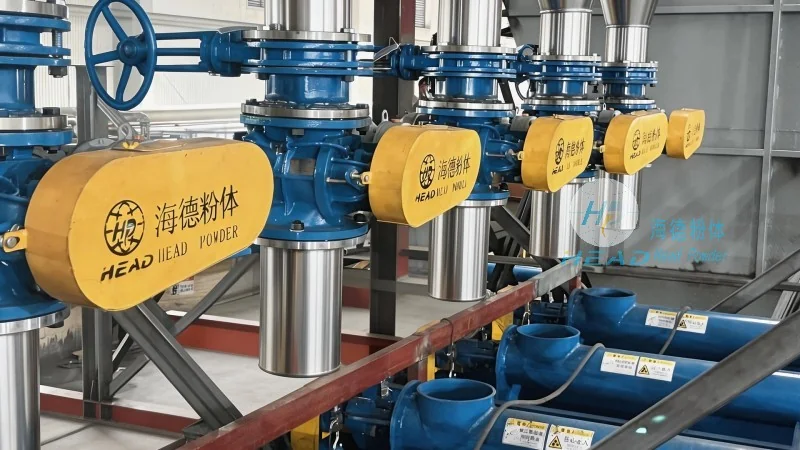
Corn stalk pneumatic conveying systems utilize air pressure to transport corn stalks from one location to another. These systems are designed to handle the bulk material efficiently, reducing the need for manual handling and improving safety in agricultural settings. The primary components include a hopper for material storage, a conveyor line, and a dust collection system to maintain air quality and system performance.
Different Types of Corn Stalk Pneumatic Conveying Systems
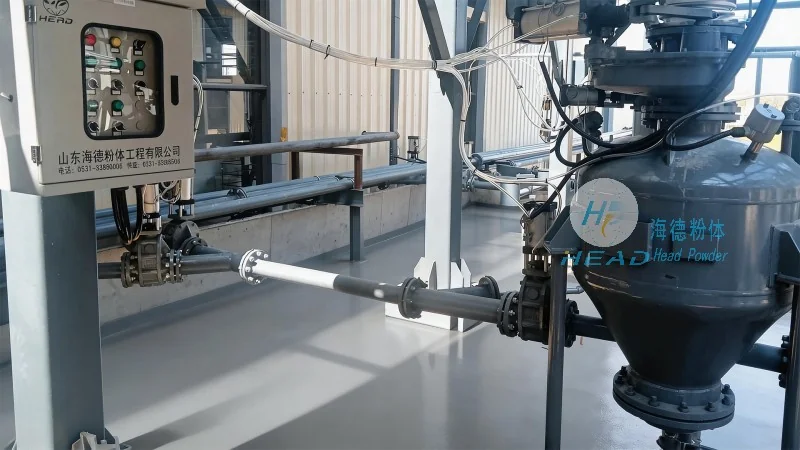
There are several types of pneumatic conveying systems tailored for corn stalk handling, each with specific advantages and operational characteristics. The most common types include:
- Positive Pressure Systems: These systems use a blower or fan to generate positive pressure, pushing the material through the conveying line. They are ideal for short to medium distances and can handle a wide range of particle sizes. Positive pressure systems are often preferred for their simplicity and lower initial cost.
- Negative Pressure (Vacuum) Systems: In contrast, negative pressure systems create a vacuum to draw material into the system. This method is suitable for longer distances and can handle more delicate materials without causing damage. However, they may require more maintenance due to the higher air flow rates needed to maintain suction.
- Combination (Closed Loop) Systems: These systems combine both positive and negative pressure elements, offering flexibility in material transport. They are particularly useful for complex layouts where material needs to be transported over varying distances or through multiple stages of processing.
Key Features of Corn Stalk Pneumatic Conveying Systems
Effective corn stalk pneumatic conveying systems are characterized by several important features that enhance performance and durability. These features include:
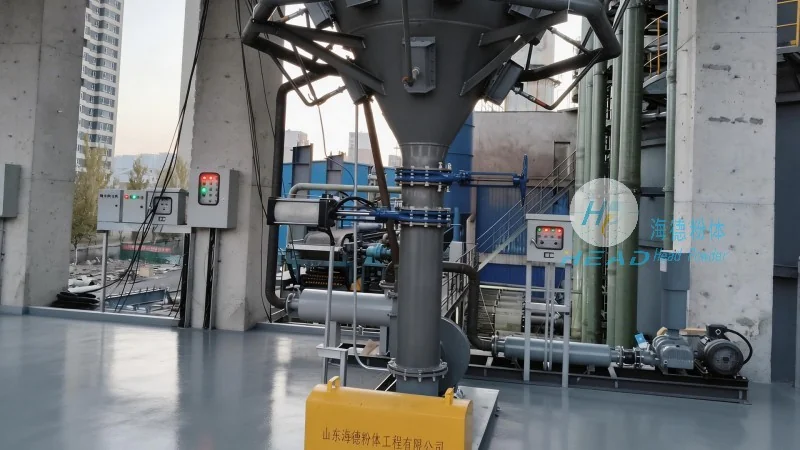
- High Efficiency and Low Maintenance: Modern systems are engineered to minimize energy consumption while ensuring long operational life. Advanced materials and robust construction reduce wear and tear, leading to lower maintenance costs over time.
- Customizable Design: Systems can be tailored to meet specific operational requirements, such as varying material volumes, distance, and processing needs. This adaptability allows for optimal performance in diverse agricultural settings.
- Environmental Considerations: Many systems incorporate dust collection and filtration systems to comply with environmental regulations and maintain air quality in the workplace. This feature is essential for ensuring safety and regulatory compliance.
- Reliability and Durability: Built with high-quality components, these systems are designed to withstand the harsh conditions of agricultural environments, including exposure to moisture, dust, and temperature fluctuations.
Application Ranges of Corn Stalk Pneumatic Conveying Systems
Corn stalk pneumatic conveying systems are widely used in various agricultural and processing applications. Their versatility makes them suitable for a range of tasks, including:

 Shandong Headpowder Engineering Co., Ltd.
 156-6277-7102(Manager Zhang)
  0531-83386006
  Zhangqiu District, Jinan City, Shandong Province, China