With more than 10‑year industry experience, Shandong Headpowder delivers full‑service pneumatic‑conveying systems and blowers, undertaking nationwide turn‑key powder‑handling projects.
HeadPowder, a leading engineering company based in Shandong, China, specializes in advanced pneumatic conveying solutions tailored for the handling of gypsum and fly ash materials. With a focus on innovative technology and robust system design, the company provides comprehensive solutions that address the unique challenges associated with transporting these bulk materials efficiently and reliably.
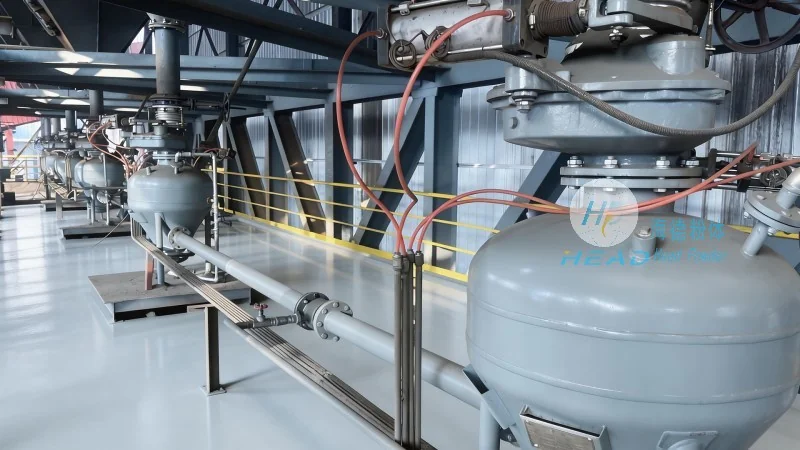
Pneumatic conveying is a critical method for transporting dry bulk materials like gypsum and fly ash, offering advantages such as reduced equipment wear, lower maintenance costs, and the ability to handle materials in a dust-free environment. The technology involves the use of air or gas to move particles through a pipeline system, and it comes in two primary configurations: negative pressure (or vacuum) and positive pressure systems. Each system has distinct characteristics that make it suitable for different operational requirements and material properties.
Negative pressure systems operate by creating a vacuum at the receiving end of the pipeline, which draws material from the source into the system. This approach is particularly effective for applications where the material needs to be collected from multiple points or over a long distance, as the vacuum pulls material from various sources into a central collection point. The system typically includes a vacuum pump, a hopper or collection chamber, and a series of pipelines that connect the material source to the destination. For gypsum and fly ash, negative pressure systems are often preferred when dealing with fine powders that are prone to dusting or when the material needs to be transported from a storage silo to a processing plant. The vacuum helps to maintain a consistent flow and prevents material from escaping during transport, ensuring a clean and efficient operation.
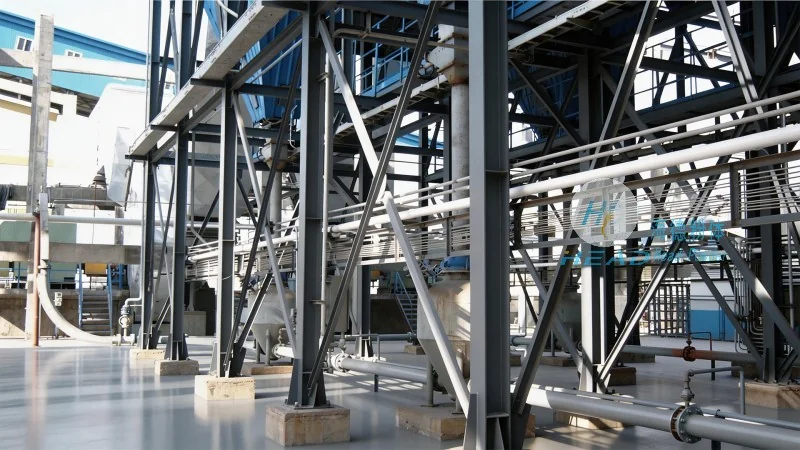
Positive pressure systems, on the other hand, use a blower or compressor to generate pressure at the material source, pushing the material through the pipeline to the destination. This method is ideal for applications where the material needs to be transported over shorter distances or where the material is more abrasive and requires higher pressure to maintain flow. The system consists of a pressure source, a hopper or material feed, and a pipeline network that delivers the material to the processing area. For gypsum and fly ash, positive pressure systems are commonly used in situations where the material is being transferred from a silo to a mixer or a storage bin, as the pressure ensures a steady and reliable flow without the need for a vacuum pump. The positive pressure also helps to prevent material buildup in the pipeline, reducing the risk of blockages and ensuring consistent performance.
When selecting a pneumatic conveying system for gypsum and fly ash, several factors must be considered to ensure optimal performance and efficiency. The first is the distance and layout of the material transport route. Longer distances or complex layouts may require negative pressure systems due to their ability to draw material from multiple points, while shorter distances or simpler layouts may benefit from positive pressure systems. The second factor is the material properties, such as particle size, moisture content, and abrasiveness. Fine powders with high moisture content may be better suited for negative pressure systems, as the vacuum helps to maintain flow without causing clogging. Conversely, coarse or abrasive materials may require higher pressure from positive pressure systems to prevent wear and ensure consistent transport. The third consideration is the operational environment, including the need for dust control and safety. Both systems can be designed with dust collection and filtration systems, but negative pressure systems may require additional measures to prevent dust from escaping during material intake. The choice between negative and positive pressure systems ultimately depends on the specific application requirements, material characteristics, and operational constraints.
The application of pneumatic conveying systems for gypsum and fly ash is widespread across various industries, including construction, power generation, and industrial manufacturing. In the construction industry, gypsum is commonly used as a raw material for plaster and drywall, and pneumatic conveying systems are used to transport gypsum from storage silos to production lines or to delivery trucks. The systems ensure that the gypsum is delivered in a consistent and dust-free manner, which is essential for maintaining product quality and worker safety. In the power generation industry, fly ash is a byproduct of coal combustion and is often used as a raw material in cement production or as a filler in concrete. Pneumatic conveying systems are used to transport fly ash from the boiler to storage silos or to processing facilities, where it is further processed or used in other applications. The systems help to reduce the environmental impact of fly ash disposal by ensuring that the material is handled efficiently and safely. In industrial manufacturing, gypsum and fly ash are used as additives in various products, such as plastics, paints, and adhesives. Pneumatic conveying systems are used to transport these materials from storage to production lines, where they are mixed with other ingredients to create the final product. The systems provide a reliable and consistent supply of materials, which is crucial for maintaining production efficiency and product quality.
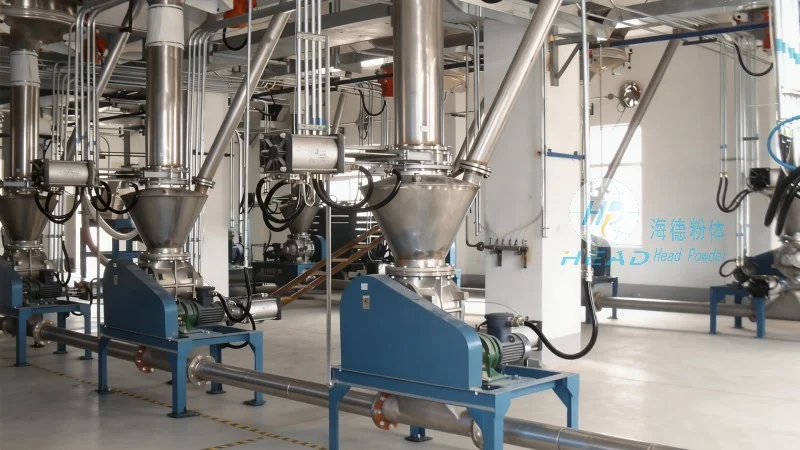
Pneumatic conveying systems offer several advantages over traditional bulk material handling methods, making them the preferred choice for many applications involving gypsum and fly ash. One of the primary advantages is the ability to handle materials in a dust-free environment. Unlike belt conveyors or bucket elevators, which can generate significant dust during operation, pneumatic systems use enclosed pipelines to contain the material, reducing the risk of dust exposure for workers and minimizing environmental contamination. This is particularly important for gypsum and fly ash, which are fine powders that can be hazardous if inhaled or if they escape into the environment. Another advantage is the reduced equipment wear and maintenance costs. Pneumatic systems use smooth, non-abrasive pipelines and minimal moving parts, which reduces the risk of wear and tear compared to mechanical systems. This results in lower maintenance costs and longer equipment life. Additionally, pneumatic systems offer greater flexibility in terms of layout and distance. They can be easily adapted to accommodate changes in the material handling process or to expand the system as needed, without the need for major modifications to the existing infrastructure. The systems also provide consistent and reliable material flow, which is essential for maintaining production efficiency and product quality. Finally, pneumatic conveying systems are energy-efficient compared to other bulk material handling methods. The use of air or gas as the conveying medium reduces the energy consumption associated with moving materials, making the systems more cost-effective and environmentally friendly.
HeadPowder, with its expertise in pneumatic conveying technology, provides comprehensive solutions for the efficient and reliable handling of gypsum and fly ash materials. By understanding the differences between negative and positive pressure systems and selecting the appropriate system based on specific application requirements, companies can achieve optimal performance and cost savings. The company's commitment to innovation and quality ensures that its systems meet the highest standards of efficiency, safety, and reliability, making them the ideal choice for industries that rely on these bulk materials. With a focus on customer needs and technical excellence, HeadPowder continues to lead the way in providing advanced pneumatic conveying solutions for the modern industrial landscape.

 Shandong Headpowder Engineering Co., Ltd.
 156-6277-7102(Manager Zhang)
  0531-83386006
  Zhangqiu District, Jinan City, Shandong Province, China
telephone
WeChatconsult
top