With more than 10‑year industry experience, Shandong Headpowder delivers full‑service pneumatic‑conveying systems and blowers, undertaking nationwide turn‑key powder‑handling projects.
Adipic acid, a critical chemical intermediate widely utilized in the production of nylon and other polymers, necessitates efficient and reliable powder conveying solutions to ensure seamless industrial processes. The handling of adipic acid powder presents unique challenges due to its granular composition, moisture sensitivity, and the requirement for precise material transport control. This overview aims to provide a comprehensive understanding of the structural design and operational principles behind effective adipic acid powder conveying systems, highlighting the key components and engineering considerations that contribute to optimal performance.
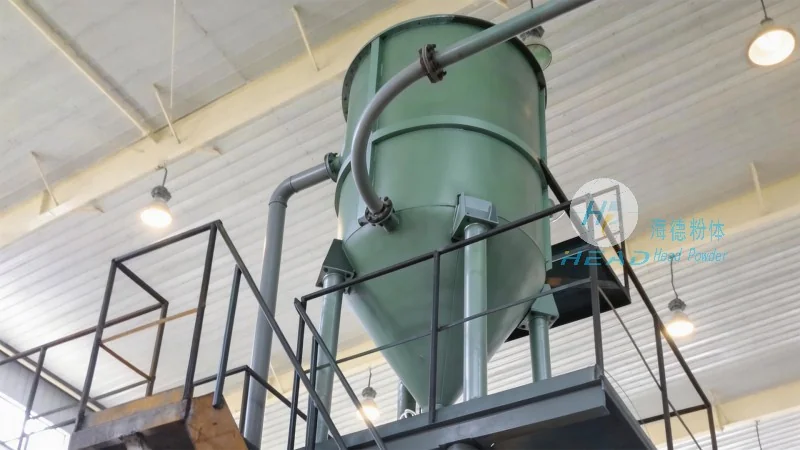
The core structure of adipic acid powder conveying systems typically comprises several essential elements that work in concert to ensure safe and efficient material transport. These components are engineered to address the specific properties of adipic acid powder, such as its tendency to agglomerate or generate dust during handling. The primary elements include: a storage hopper or bin for material containment, a feeding mechanism (often a rotary valve or screw feeder) to regulate powder flow, a conveying pipeline (usually constructed from corrosion-resistant materials like stainless steel or PTFE-coated tubes), and a control system for monitoring and adjusting the conveying rate. Each component plays a vital role in maintaining the integrity of the adipic acid powder and preventing contamination or loss during the conveying process.
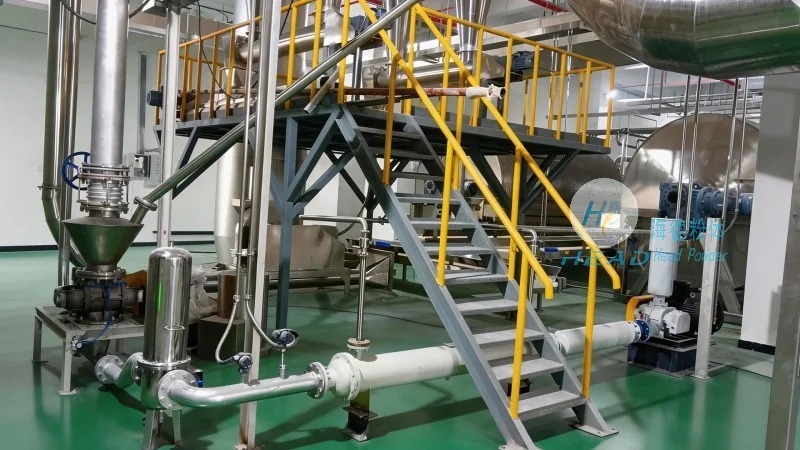
The operational principles of adipic acid powder conveying systems revolve around maintaining a consistent and controlled flow of material. The system relies on differential pressure or vacuum to draw the powder from the storage hopper into the conveying line. This pneumatic conveying method is particularly effective for handling fine powders like adipic acid, as it minimizes mechanical stress and reduces the risk of product degradation. The control mechanisms, often integrated with sensors and automation technology, allow operators to adjust the conveying rate in real-time based on process demands. This dynamic control helps optimize energy consumption while ensuring the adipic acid powder is delivered to the processing unit at the required flow rate. Additionally, the system may incorporate dust collection and filtration components to maintain air quality and comply with environmental regulations, further enhancing overall efficiency and safety.
When designing adipic acid powder conveying systems, several engineering considerations are crucial to ensure long-term reliability and performance. Material selection is a primary concern, as adipic acid is susceptible to corrosion from acidic environments or moisture. Therefore, components such as hoppers, pipelines, and valves are typically constructed from stainless steel or other corrosion-resistant materials to prevent degradation and maintain product purity. The design also addresses potential issues like powder bridging or caking in the storage hopper, which can impede material flow. To mitigate these, the hopper may be equipped with agitators or vibrators that help break up agglomerates and ensure consistent feed to the conveying system. Furthermore, the system must minimize dust generation, as adipic acid powder can be hazardous if inhaled. This is achieved through sealed systems, proper sealing of connections, and the incorporation of dust collection equipment. By addressing these engineering considerations, the conveying system can effectively handle adipic acid powder while maintaining operational safety and product quality.
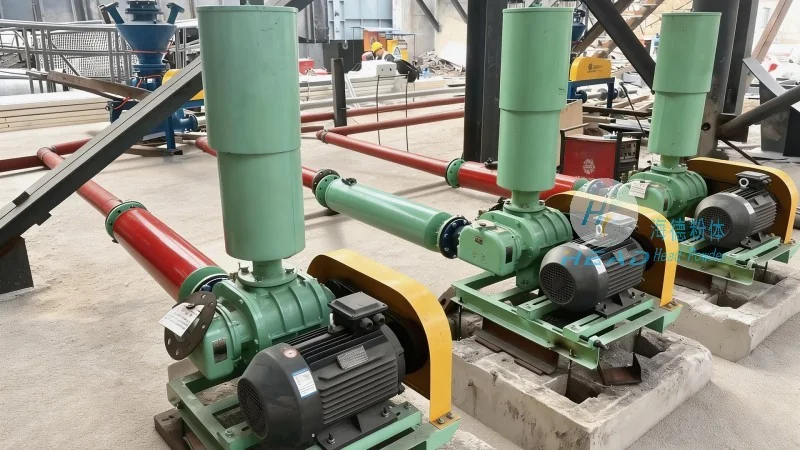
Shandong HeadPowder Engineering Co., Ltd., operating under the brand name headpowder, specializes in the design, manufacturing, and installation of advanced powder handling systems tailored to the needs of the chemical and polymer industries. With a focus on precision engineering and customer-centric solutions, the company has developed expertise in handling challenging materials like adipic acid, ensuring that their systems meet the highest standards of efficiency, safety, and reliability. Headpowder's commitment to innovation and quality has made them a trusted partner for businesses requiring robust and reliable powder conveying solutions. Based in Shandong, China, the company leverages its local expertise and resources to deliver tailored solutions that address the unique challenges of adipic acid powder handling, supporting clients in optimizing their production processes and enhancing overall operational performance.

 Shandong Headpowder Engineering Co., Ltd.
 156-6277-7102(Manager Zhang)
  0531-83386006
  Zhangqiu District, Jinan City, Shandong Province, China
telephone
WeChatconsult
top