With more than 10‑year industry experience, Shandong Headpowder delivers full‑service pneumatic‑conveying systems and blowers, undertaking nationwide turn‑key powder‑handling projects.
HeadPowder, a leading provider in the field of material handling solutions, specializes in the design and manufacturing of advanced pneumatic conveying systems. This article provides an overview of the ferrous sulfate pneumatic conveying equipment, focusing on its structural design and operational principles to help users understand its functionality and application in industrial processes.

HeadPowder Engineering Co., Ltd., headquartered in Shandong, China, is dedicated to delivering high-quality material handling equipment tailored to the needs of various industries. With years of experience in the engineering and manufacturing of pneumatic conveying systems, the company has established itself as a reliable partner for businesses requiring efficient and reliable material transport solutions. The company's commitment to innovation and customer satisfaction ensures that their products meet the highest standards of performance and durability.
Ferrous sulfate, also known as iron(II) sulfate, is a widely used chemical compound in industries such as water treatment, agriculture, and pharmaceuticals. The pneumatic conveying equipment designed for handling ferrous sulfate is engineered to transport this material safely and efficiently from storage to processing areas. This equipment is particularly suitable for applications where traditional mechanical conveying methods may pose challenges due to the material's properties, such as dustiness or hygroscopic nature.
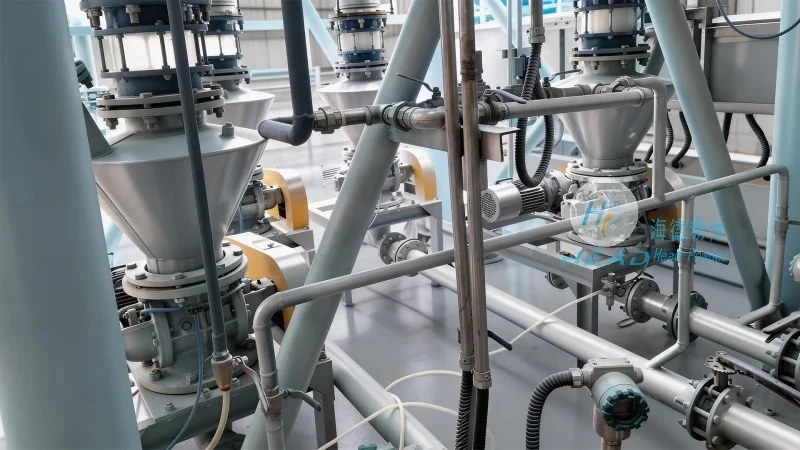
The ferrous sulfate pneumatic conveying system typically consists of several key components, each playing a crucial role in the overall operation. The main structural elements include the hopper for material storage, the conveying line (usually made of stainless steel to prevent corrosion), the air compressor or blower that generates the conveying air, and the control system for regulating the flow of material and air. The hopper is designed with a smooth interior surface to minimize material buildup and ensure consistent feeding. The conveying line is equipped with appropriate fittings and valves to control the direction and speed of the material flow. The air compressor provides the necessary pressure and volume of air to move the ferrous sulfate particles through the system. The control system allows operators to monitor and adjust the conveying process, ensuring optimal performance and preventing issues such as blockages or excessive pressure.
The operation of the ferrous sulfate pneumatic conveying equipment is based on the principle of pneumatic transport, where material particles are suspended and transported by a stream of air. The process begins with the material being fed from the hopper into the conveying line. The air compressor then generates a high-velocity air stream that carries the ferrous sulfate particles through the system. As the air and material mixture travels through the conveying line, the particles are kept in suspension by the air flow, preventing them from settling or clogging the system. The conveying line is designed with appropriate bends and elbows to maintain the flow of the material-air mixture without causing excessive pressure drops or turbulence. At the receiving end, the material is separated from the air through a cyclone separator or other filtration system, and the air is then discharged or recirculated, depending on the system design. The control system continuously monitors the pressure, flow rate, and material level to ensure that the conveying process runs smoothly and efficiently.
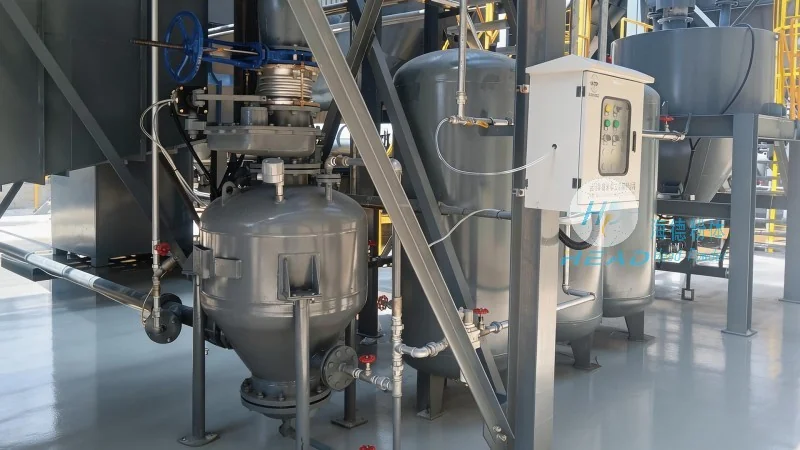
Implementing a pneumatic conveying system for ferrous sulfate offers several advantages over traditional mechanical conveying methods. Firstly, it eliminates the need for moving parts in contact with the material, reducing the risk of contamination and wear. The stainless steel construction of the conveying line ensures that the ferrous sulfate remains free from rust or other contaminants, which is critical in applications such as water treatment where the material is used for purification. Secondly, the system provides a dust-free and clean operation, improving workplace safety and reducing the risk of respiratory issues for operators. Thirdly, the pneumatic conveying system allows for a more flexible and compact layout, as the conveying line can be installed in various configurations without the need for extensive infrastructure. Finally, the system offers high efficiency in material transport, with minimal energy consumption and low maintenance requirements, leading to cost savings over time.
The ferrous sulfate pneumatic conveying equipment is widely used in various industrial applications where the efficient transport of this chemical is essential. In water treatment plants, the equipment is used to transport ferrous sulfate from storage tanks to dosing points, ensuring a consistent supply of the chemical for water purification processes. In agricultural settings, the system may be employed to transport ferrous sulfate fertilizers to application equipment, facilitating the distribution of nutrients to crops. In pharmaceutical manufacturing, the equipment is used to convey ferrous sulfate raw materials to processing lines, maintaining the purity and quality of the final products. These applications highlight the versatility and reliability of the pneumatic conveying system in handling ferrous sulfate in different industrial environments.
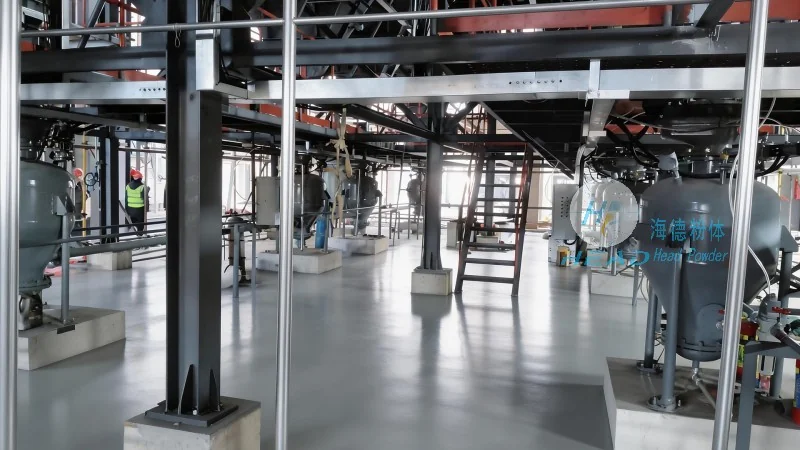
To ensure the long-term performance and reliability of the ferrous sulfate pneumatic conveying equipment, regular maintenance and proper operational practices are essential. The company recommends regular inspection of the conveying line for any signs of corrosion or wear, as well as cleaning the hopper and cyclone separator to prevent material buildup. The air compressor and control system should be checked regularly for proper operation and efficiency. Operators should also follow the recommended guidelines for material feeding, ensuring that the hopper is not overfilled and that the material flow is consistent. By adhering to these maintenance and operational considerations, users can maximize the lifespan of the equipment and minimize downtime due to maintenance or operational issues.
HeadPowder Engineering Co., Ltd. provides advanced ferrous sulfate pneumatic conveying equipment that combines efficient design with reliable performance. The structural components and working principles of the system are engineered to meet the specific needs of handling ferrous sulfate, offering advantages such as dust-free operation, corrosion resistance, and high efficiency. With its headquarters in Shandong, China, HeadPowder continues to innovate and deliver high-quality material handling solutions to industries worldwide. The ferrous sulfate pneumatic conveying equipment is a valuable asset for businesses requiring reliable and efficient transport of this important chemical, contributing to improved productivity and operational safety in various industrial applications.

 Shandong Headpowder Engineering Co., Ltd.
 156-6277-7102(Manager Zhang)
  0531-83386006
  Zhangqiu District, Jinan City, Shandong Province, China
telephone
WeChatconsult
top