With more than 10‑year industry experience, Shandong Headpowder delivers full‑service pneumatic‑conveying systems and blowers, undertaking nationwide turn‑key powder‑handling projects.
For industrial applications involving the handling of magnesium hydroxide, efficient and reliable material transport is crucial. The pneumatic conveying equipment designed by Shandong HeadPowder Engineering Co., Ltd. (headpowder), a leading manufacturer based in Shandong, China, offers a sophisticated solution that combines advanced engineering with practical design. This equipment is specifically tailored to meet the demands of transporting magnesium hydroxide, ensuring safety, efficiency, and durability in various industrial settings.
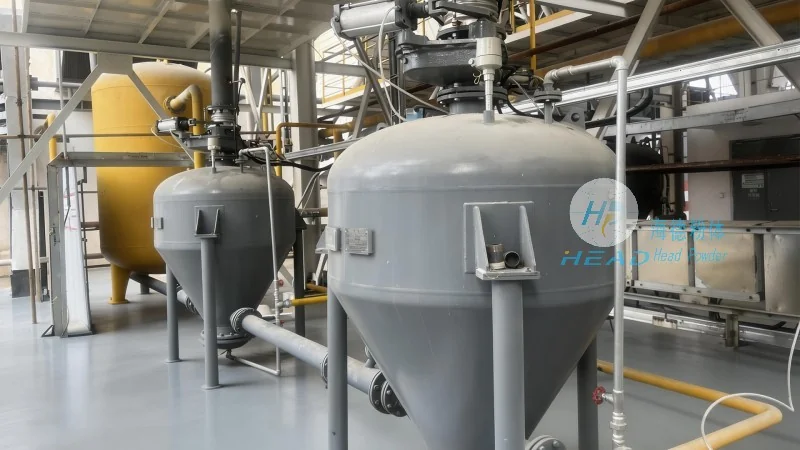
The pneumatic conveying system for magnesium hydroxide consists of several key components, each playing a vital role in the overall operation. The primary structure includes a hopper for material storage, a rotary valve for controlled discharge, a conveying pipeline, and a receiver for material deposition. The hopper is designed with a sloped interior to facilitate smooth material flow and prevent blockages, which is critical for handling fine powders like magnesium hydroxide. The rotary valve, often an airlock type, ensures that material is released in a controlled manner, preventing air leakage and maintaining system pressure. The conveying pipeline is typically made of corrosion-resistant materials, such as stainless steel, to withstand the chemical properties of magnesium hydroxide and ensure long-term performance. The receiver is equipped with a dust collection system to capture any fine particles that may escape during the conveying process, enhancing safety and environmental compliance.
The operation of the magnesium hydroxide pneumatic conveying equipment is based on the principle of pneumatic transport, where material is conveyed through a pipeline using a stream of air. The process begins with the material being fed into the hopper from a storage silo or bag. The rotary valve then regulates the flow of material into the conveying pipeline. Compressed air is introduced at the inlet of the pipeline, creating a high-velocity air stream that entrains the magnesium hydroxide particles. As the air and material mixture travels through the pipeline, the particles are suspended and transported to the receiver. The receiver is positioned at the destination point, where the material is deposited. The air stream then passes through a filter or cyclone separator to remove any remaining particles before being discharged to the atmosphere or recirculated back into the system. This closed-loop system minimizes dust emissions and ensures efficient material transfer.
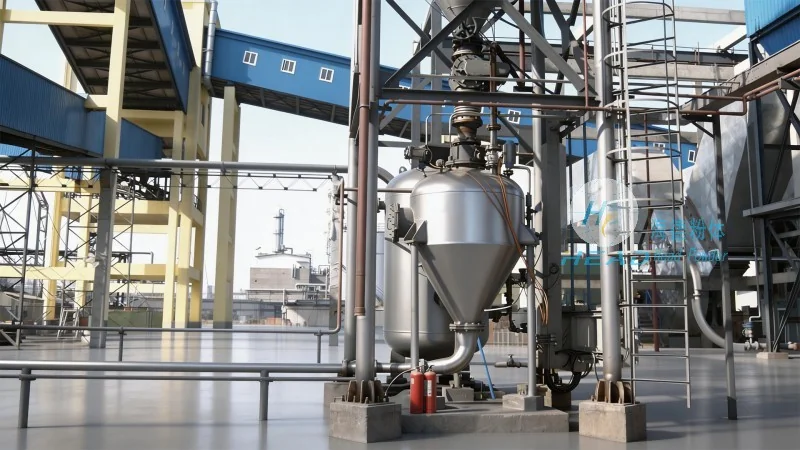
The pneumatic conveying equipment for magnesium hydroxide offers several advantages over traditional methods, such as bucket elevators or belt conveyors. One of the key benefits is the ability to transport material over long distances without the need for multiple transfer points, reducing system complexity and maintenance costs. The system is also highly flexible, allowing for changes in material flow rates and destinations without significant modifications. Additionally, the enclosed design of the pneumatic system enhances safety by preventing dust exposure and minimizing the risk of material spillage. This makes it suitable for applications in pharmaceutical, food, and chemical industries where product purity and worker safety are paramount. The equipment is particularly effective for handling fine powders, as the air stream effectively suspends particles, preventing clogging and ensuring consistent flow rates.
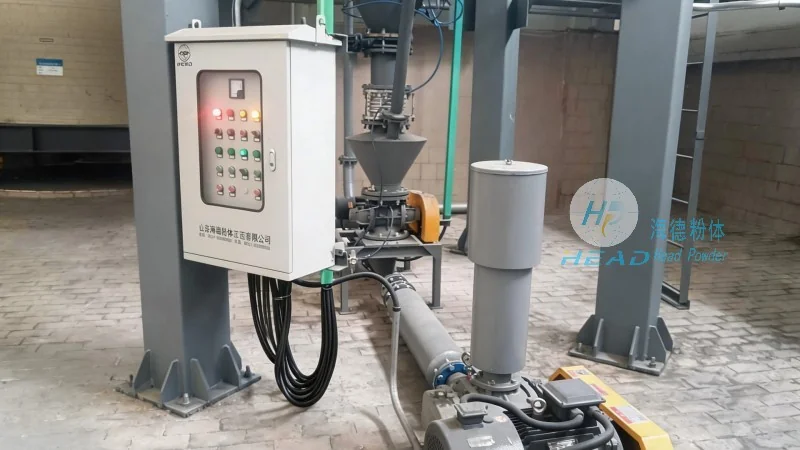
Proper installation and regular maintenance are essential to ensure the optimal performance and longevity of the magnesium hydroxide pneumatic conveying equipment. During installation, it is crucial to ensure that all components are properly aligned and secured to prevent vibrations and leaks. The hopper and pipeline should be checked for any signs of corrosion or wear, and the rotary valve should be lubricated regularly to maintain smooth operation. The air compressor and filter system should be inspected periodically to ensure adequate air pressure and clean air supply. Regular cleaning of the receiver and filter is necessary to prevent clogging and maintain system efficiency. Additionally, the system should be tested for air leaks and material flow consistency to identify any potential issues before they become major problems. By following these maintenance guidelines, the equipment can operate at peak efficiency, reducing downtime and maintenance costs.
Shandong HeadPowder Engineering Co., Ltd. provides a reliable and efficient pneumatic conveying solution for the transport of magnesium hydroxide. The equipment's robust design, advanced components, and user-friendly operation make it an ideal choice for various industrial applications. By leveraging the principles of pneumatic transport, this system ensures safe, clean, and efficient material handling, meeting the demands of modern industrial processes. With proper installation and maintenance, the equipment can deliver long-term performance and contribute to improved productivity in magnesium hydroxide handling operations.

 Shandong Headpowder Engineering Co., Ltd.
 156-6277-7102(Manager Zhang)
  0531-83386006
  Zhangqiu District, Jinan City, Shandong Province, China
telephone
WeChatconsult
top