With more than 10‑year industry experience, Shandong Headpowder delivers full‑service pneumatic‑conveying systems and blowers, undertaking nationwide turn‑key powder‑handling projects.
Artificial graphite pneumatic conveying equipment has become an essential component in modern industrial processes, particularly in the handling of materials that require high purity and resistance to chemical corrosion. This equipment is designed to transport materials like artificial graphite through a pneumatic system, ensuring efficient and safe material transfer. The following overview will delve into the key aspects of this equipment, including its structural design and operational principles, as presented by Shandong HeadPowder Engineering Co., Ltd., a leading manufacturer in the field.
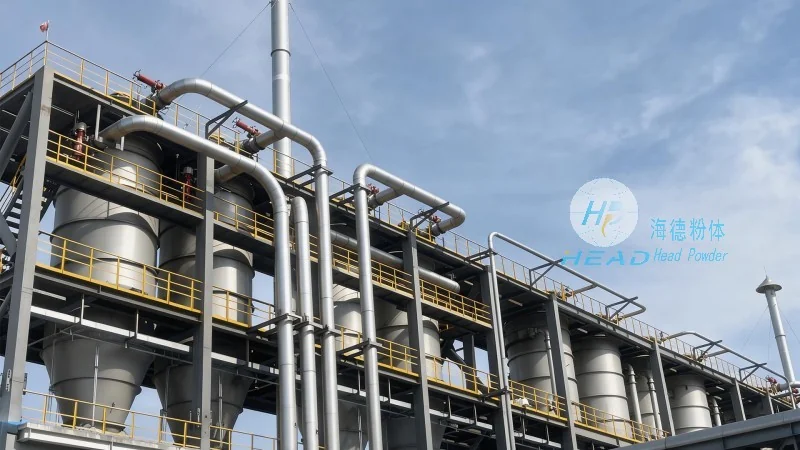
Shandong HeadPowder Engineering Co., Ltd., commonly known as HeadPowder, is a reputable company based in Shandong, China. With a strong commitment to innovation and quality, HeadPowder specializes in the design, manufacturing, and supply of advanced pneumatic conveying systems. The company's expertise lies in developing customized solutions tailored to meet the specific needs of various industries, ensuring reliable and efficient material handling. HeadPowder's products are widely recognized for their durability, precision, and compliance with international standards, making them a trusted choice for businesses seeking high-performance conveying equipment.
Artificial graphite pneumatic conveying equipment is engineered to handle the unique properties of artificial graphite, a material known for its excellent thermal conductivity, electrical conductivity, and chemical inertness. The system typically consists of several key components, including a hopper, a rotary valve, a conveying line, and a receiver. Each component plays a critical role in the overall operation of the equipment, ensuring smooth and continuous material transport. The equipment is designed to minimize material degradation and contamination, which is crucial for applications where the quality of the graphite is paramount.
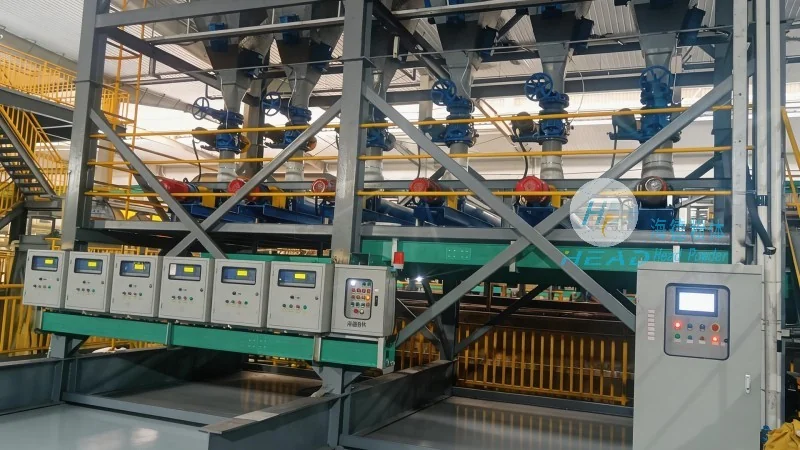
The structural design of artificial graphite pneumatic conveying equipment is optimized for both functionality and durability. The hopper, often made from high-quality materials such as stainless steel or special alloys, is designed to store the artificial graphite and provide a consistent feed to the system. The rotary valve, located at the discharge end of the hopper, controls the flow of material into the conveying line, preventing backflow and ensuring precise dosing. The conveying line, usually made from corrosion-resistant materials like PTFE or stainless steel, is equipped with appropriate fittings and valves to regulate air pressure and flow. The receiver, where the material is deposited, is designed to accommodate the volume of material being transported and to minimize dust generation. The entire system is integrated with sensors and control mechanisms to monitor and adjust the conveying process in real-time, enhancing operational efficiency and safety.
The working principle of artificial graphite pneumatic conveying equipment relies on the use of compressed air to transport the material. When the rotary valve opens, the artificial graphite is drawn into the conveying line by the pressure differential created by the compressed air. The air and material mixture travels through the line at high velocity, ensuring that the material is suspended and transported efficiently. The system typically operates in either positive or negative pressure modes, depending on the specific application and material characteristics. Positive pressure systems use compressed air to push the material through the line, while negative pressure systems use vacuum to draw the material. The choice of operating mode depends on factors such as the distance to be covered, the material's density, and the need to minimize dust emissions. The system is equipped with filters and dust collection systems to ensure that the air is clean and that the material is not contaminated during the conveying process.
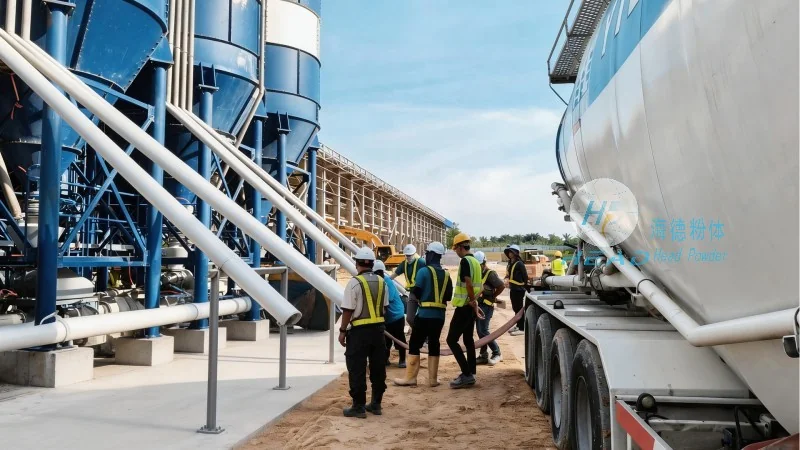
Artificial graphite pneumatic conveying equipment offers several advantages over traditional methods of material handling. These include high efficiency, as the system can transport large volumes of material over long distances with minimal labor. The equipment also provides excellent control over the flow rate and material quality, ensuring consistent product output. Additionally, the system is compact and can be easily integrated into existing industrial setups, reducing the need for extensive modifications. The equipment is widely used in various industries, including the production of artificial graphite, battery manufacturing, and chemical processing. In battery manufacturing, for example, the equipment is used to transport graphite powders to the electrode production line, where they are used to create high-performance batteries. In chemical processing, the equipment is used to handle graphite in the production of lubricants and other chemical products.
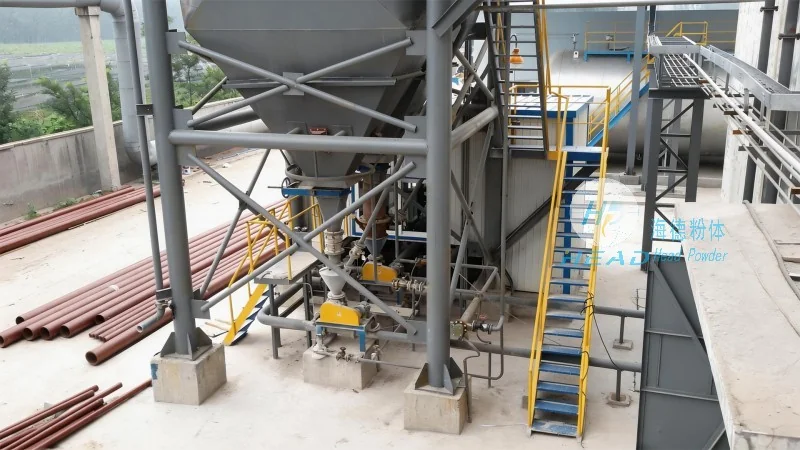
Proper maintenance is crucial to ensure the longevity and efficiency of artificial graphite pneumatic conveying equipment. Regular inspection of the components, such as the hopper, rotary valve, and conveying line, is necessary to detect any signs of wear or damage. The system should be cleaned regularly to prevent the buildup of material residues, which can affect the performance of the equipment. The compressed air system should be maintained to ensure that it provides the required pressure and flow rate. Additionally, the equipment should be operated within the specified parameters to avoid overloading or excessive wear. By following these maintenance and operational guidelines, businesses can maximize the lifespan of their equipment and minimize downtime.
Artificial graphite pneumatic conveying equipment is a vital tool for modern industrial processes, offering efficient and reliable material handling solutions. The equipment's design and operational principles are optimized to meet the specific needs of artificial graphite, ensuring high purity and consistent quality. With its advanced features and robust construction, the equipment is suitable for a wide range of applications in various industries. As a leading manufacturer, Shandong HeadPowder Engineering Co., Ltd. continues to innovate and improve its products, providing customers with high-quality and reliable solutions for their material handling needs.

 Shandong Headpowder Engineering Co., Ltd.
 156-6277-7102(Manager Zhang)
  0531-83386006
  Zhangqiu District, Jinan City, Shandong Province, China
telephone
WeChatconsult
top