With more than 10‑year industry experience, Shandong Headpowder delivers full‑service pneumatic‑conveying systems and blowers, undertaking nationwide turn‑key powder‑handling projects.
HeadPowder, a leading manufacturer based in Shandong, China, specializes in the design and production of advanced pneumatic conveying systems tailored for handling gypsum materials. This equipment is engineered to efficiently transport gypsum from storage areas to processing or packaging facilities, ensuring a smooth and reliable material flow. The system's core functionality relies on the principles of pneumatic transport, utilizing air pressure to move bulk materials through a network of pipes and components.
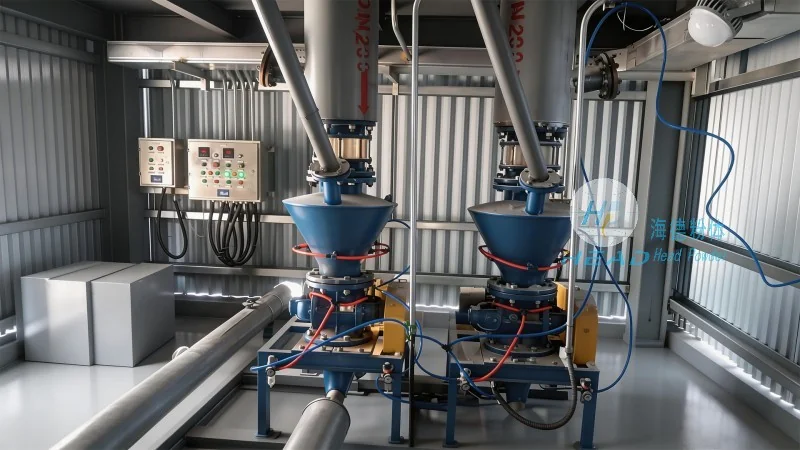
The gypsum pneumatic conveying equipment typically consists of several critical components that work in concert to achieve effective material handling. These include a material hopper for initial storage, a rotary feeder to control the flow rate of gypsum into the system, a venturi or pressure vessel to generate the necessary air flow, and a series of pipelines that guide the material and air mixture. The structural design emphasizes durability and efficiency, with materials such as stainless steel or corrosion-resistant alloys used for components that come into direct contact with gypsum, ensuring long-term performance and minimal maintenance.
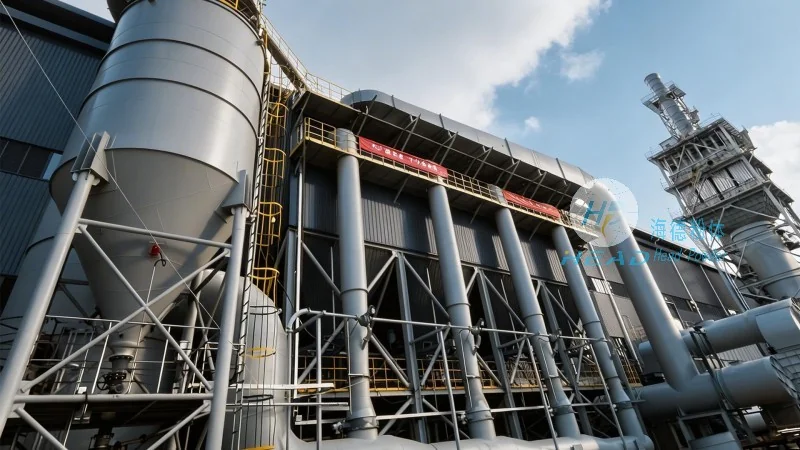
The operation of the gypsum pneumatic conveying system is based on the fundamental principle of air-assisted transport. When the rotary feeder releases gypsum into the system, it is immediately mixed with high-velocity air from the venturi or pressure vessel. This air-gypsum mixture is then propelled through the pipeline network under pressure, allowing the material to be transported over long distances without the need for mechanical conveyors or manual handling. The system may include features such as cyclone separators or filters to separate the gypsum from the air at the receiving end, ensuring that the material is delivered in a clean and dry state, ready for further processing.
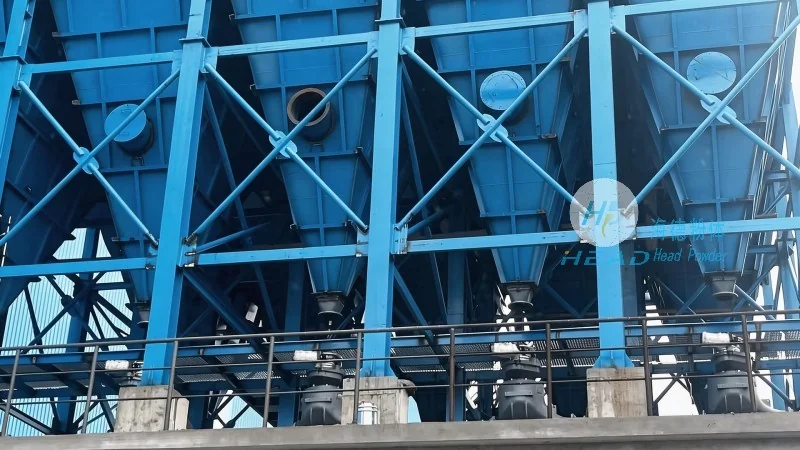
HeadPowder's gypsum pneumatic conveying equipment offers several advantages that make it an ideal solution for industrial applications. These include high efficiency in material transport, reduced labor costs compared to traditional methods, and improved safety by minimizing manual handling of bulk materials. The system is particularly suitable for processing plants that require consistent and continuous supply of gypsum, such as those involved in cement production, plaster manufacturing, or construction material production. The equipment's ability to handle large volumes of gypsum while maintaining low energy consumption and minimal environmental impact makes it a preferred choice for modern industrial operations.
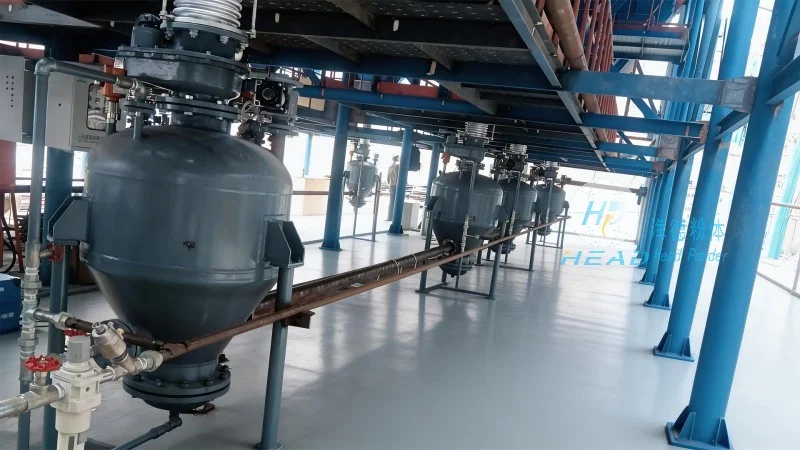
HeadPowder provides customized solutions to meet the specific needs of clients, offering flexible configurations that can be adjusted based on the volume of gypsum to be transported, the distance of the transport route, and the desired level of automation. The company's engineering team works closely with clients to design systems that optimize performance and minimize operational costs. Regular maintenance is essential to ensure the longevity and reliability of the equipment. This includes routine checks of the rotary feeder, inspection of pipeline integrity, and cleaning of the cyclone separators or filters to prevent clogging and maintain optimal air flow. By adhering to a proper maintenance schedule, users can extend the service life of the equipment and avoid unexpected downtime.

 Shandong Headpowder Engineering Co., Ltd.
 156-6277-7102(Manager Zhang)
  0531-83386006
  Zhangqiu District, Jinan City, Shandong Province, China
telephone
WeChatconsult
top