Introduction to Styrene Pneumatic Conveying Equipment: Structure and Working Principle
Release time:2026-09-21 21:01:49
name of the company:Shandong Headpowder Engineering Co., Ltd.
telephone:156-6277-7102
contacts:Manager Zhang
Styrene, a crucial chemical intermediate widely used in the production of polystyrene and other polymers, requires efficient and reliable handling during its transportation process. Pneumatic conveying systems have emerged as a preferred solution for moving styrene due to their ability to handle the material safely and effectively, minimizing the risk of dust explosion and ensuring consistent flow rates. This article provides an overview of styrene pneumatic conveying equipment, detailing its structural components and operational principles.
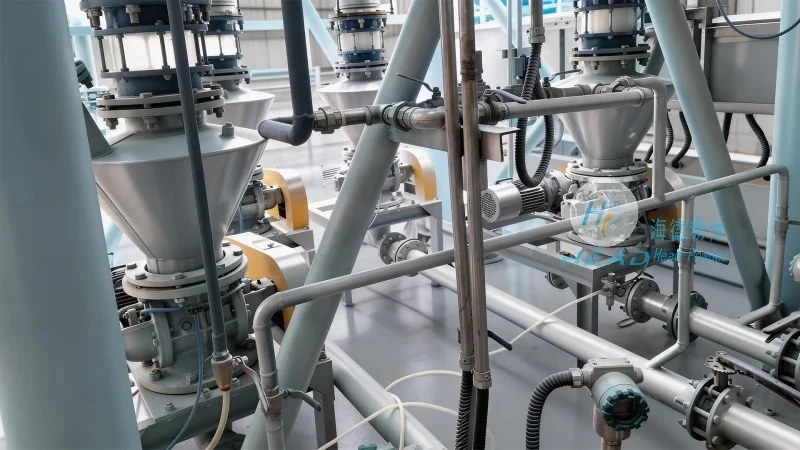
Overview of Styrene Pneumatic Conveying Systems
Styrene pneumatic conveying equipment is designed to transport styrene from storage silos or reactors to processing units or packaging facilities. These systems utilize air or other gases to create a flow of material through a pipeline network. The primary advantage of pneumatic conveying is its ability to handle fine powders and liquids without the need for mechanical components like belts or buckets, which can be prone to wear and tear or cause contamination. For styrene, which is often in a liquid or semi-liquid state before processing, specialized equipment is required to maintain the material's integrity and prevent degradation.
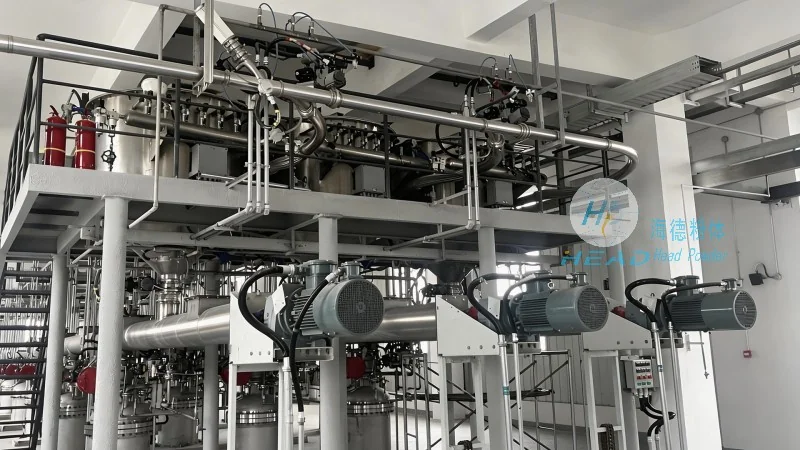
Key Structural Components of Styrene Pneumatic Conveying Equipment
The core components of a styrene pneumatic conveying system include the following:
- Feed Hopper: A container that holds the styrene before it is introduced into the conveying line. The hopper is equipped with a metering valve to control the flow rate of the material.
- Conveying Pipeline: A network of pipes that transports the styrene and air mixture. The pipeline is typically made of corrosion-resistant materials such as stainless steel or special alloys to withstand the chemical properties of styrene.
- Air Supply System: Compressors and air treatment units that generate and condition the air used for conveying. The air must be filtered to remove moisture and contaminants, as these can affect the material's quality and the system's performance.
- Control Valves and Regulators: Devices that regulate the pressure and flow of air and material within the system. These components ensure smooth operation and prevent overpressurization or underflow.
- Receiving Hopper or Storage Tank: The final container where the styrene is deposited after being conveyed. This hopper may include a level indicator and a discharge valve for further processing.
Working Principle of Styrene Pneumatic Conveying Equipment
The operation of a styrene pneumatic conveying system involves several steps:
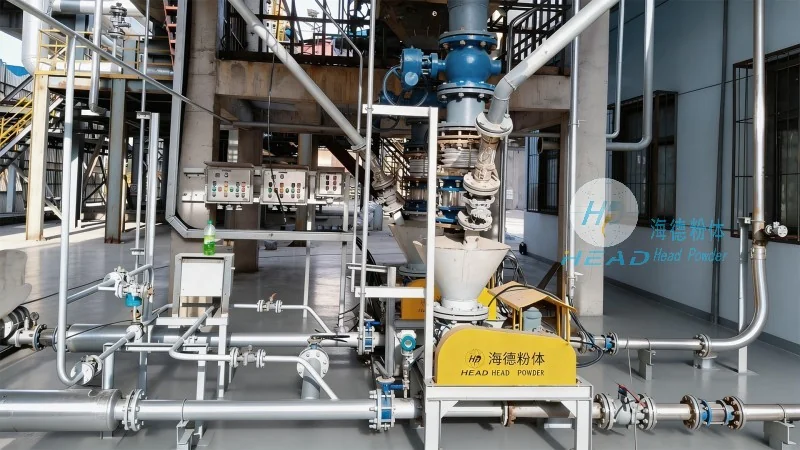
- Material Loading: Styrene is loaded into the feed hopper from a storage tank or reactor. The metering valve controls the rate at which the material is fed into the pipeline.
- Air Injection: Compressed air is introduced into the pipeline at a specific point, creating a pressure differential that propels the styrene particles forward.
- Transportation: The air and styrene mixture travels through the pipeline at high velocity, maintaining the material in suspension. The pipeline design, including bends and fittings, is optimized to minimize pressure loss and prevent material deposition.
- Deceleration and Deposition: As the mixture reaches the receiving hopper, the air is released or the pressure is reduced, causing the styrene to settle out and be collected.
Advantages of Using Styrene Pneumatic Conveying Equipment
Implementing a pneumatic conveying system for styrene offers several benefits:

 Shandong Headpowder Engineering Co., Ltd.
 156-6277-7102(Manager Zhang)
  0531-83386006
  Zhangqiu District, Jinan City, Shandong Province, China