With more than 10‑year industry experience, Shandong Headpowder delivers full‑service pneumatic‑conveying systems and blowers, undertaking nationwide turn‑key powder‑handling projects.
Water glass pneumatic conveying equipment is a specialized system designed for the efficient handling and transportation of water glass, a key industrial material used in various applications such as construction, chemical processing, and manufacturing. This equipment plays a crucial role in ensuring the safe and reliable movement of water glass from storage to processing units, enhancing operational efficiency and reducing manual handling risks.
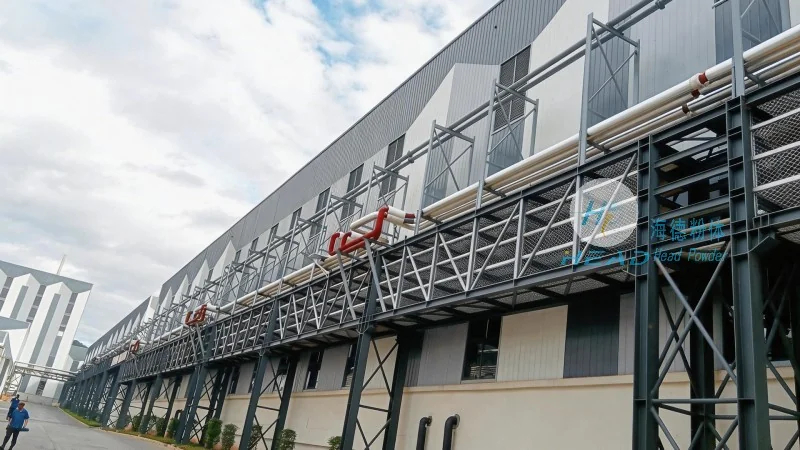
Water glass, also known as sodium silicate, is a viscous liquid or solid material that requires specialized equipment for pneumatic conveying due to its unique physical properties. The equipment from Shandong HeadPowder Engineering Co., Ltd. is engineered to handle these challenges effectively, utilizing a combination of air flow and mechanical components to transport water glass through pipelines. The system is designed to maintain the integrity of the material while minimizing degradation or contamination, making it suitable for a wide range of industrial applications.
The core components of the water glass pneumatic conveying system include a hopper for material storage, a blower or air compressor to generate the necessary air pressure, a pipeline network for material transport, and a receiver or discharge unit for material collection. The working principle involves feeding water glass into the hopper, where it is then drawn into the pipeline by the air flow generated by the blower. The air and material mixture travels through the pipeline, with the air providing the force to move the material. The system is equipped with controls to regulate air pressure, flow rate, and material feed rate, ensuring optimal performance and preventing blockages or overloading.
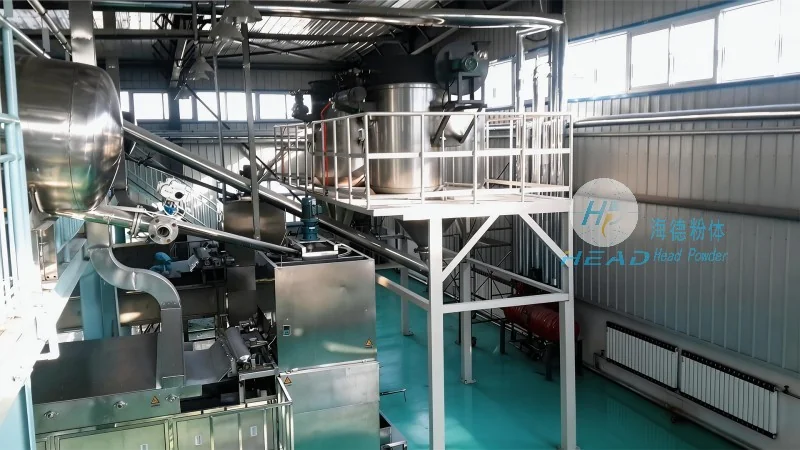
Shandong HeadPowder Engineering Co., Ltd.'s water glass pneumatic conveying equipment offers several advantages over traditional handling methods. These include reduced labor costs by automating the material transport process, improved safety by minimizing manual handling of potentially hazardous materials, and enhanced product quality by preventing contamination or degradation during transport. The system is also designed for flexibility, allowing for easy integration into existing production lines and adaptability to varying material feed rates and pipeline configurations.
The water glass pneumatic conveying equipment is widely used in industries where water glass is a critical component. For example, in the construction industry, it is used to transport water glass for use in cement and mortar production. In chemical processing, it is utilized in the manufacturing of detergents, adhesives, and other chemical products. The equipment's ability to handle large volumes of material efficiently makes it suitable for both small-scale and large-scale production facilities, ensuring consistent and reliable material supply.
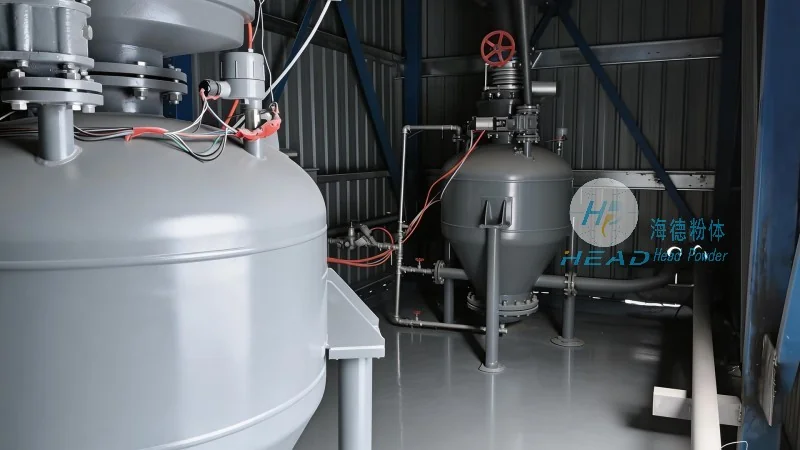
Proper installation and regular maintenance are essential for the optimal performance of the water glass pneumatic conveying system. The equipment should be installed in a well-ventilated area to ensure proper air circulation and prevent the buildup of dust or moisture. Regular cleaning of the hopper, pipeline, and blower is necessary to prevent material buildup and maintain air flow efficiency. Additionally, routine checks of the air compressor and control systems should be performed to ensure they are functioning within specified parameters. By following these maintenance guidelines, the system can operate efficiently for extended periods, minimizing downtime and maximizing productivity.
Water glass pneumatic conveying equipment from Shandong HeadPowder Engineering Co., Ltd. provides an effective and reliable solution for the transportation of water glass in various industrial applications. The system's design, incorporating advanced structural components and a well-defined working principle, ensures efficient material handling while maintaining product quality and operational safety. With its flexibility and adaptability, this equipment is a valuable asset for any facility requiring consistent and reliable water glass supply, contributing to improved operational efficiency and reduced costs.

 Shandong Headpowder Engineering Co., Ltd.
 156-6277-7102(Manager Zhang)
  0531-83386006
  Zhangqiu District, Jinan City, Shandong Province, China
telephone
WeChatconsult
top