With more than 10‑year industry experience, Shandong Headpowder delivers full‑service pneumatic‑conveying systems and blowers, undertaking nationwide turn‑key powder‑handling projects.
The hygroscopic sodium nitrate pneumatic conveying system is a specialized industrial equipment designed for the efficient and safe transportation of hygroscopic sodium nitrate, a material commonly used in fertilizer production and other chemical processes. This system is engineered to handle the unique challenges associated with sodium nitrate, particularly its tendency to absorb moisture from the air, which can affect its flow properties and handling characteristics. By integrating advanced pneumatic conveying technology, the system ensures reliable material transport while maintaining product quality and operational efficiency.
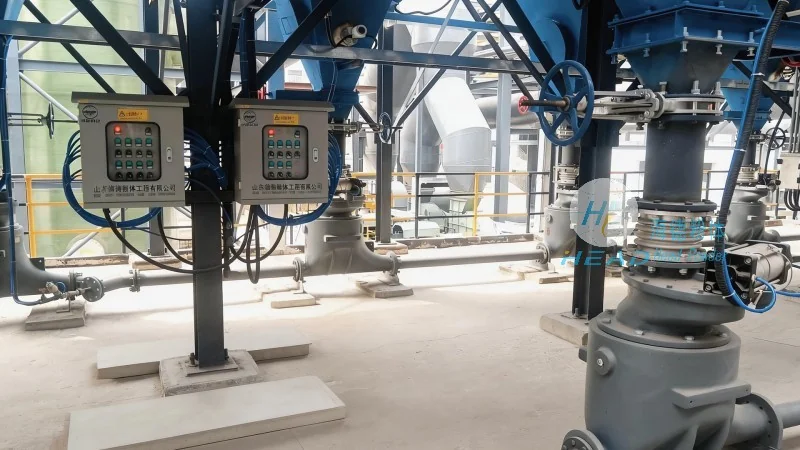
The hygroscopic sodium nitrate pneumatic conveying system comprises several critical components that work in concert to achieve effective material transport. The main structural elements include a feeding hopper, a conveying pipeline network, a positive displacement blower or air compressor, a dust collection system, and a discharge outlet. The feeding hopper is designed to store and feed the hygroscopic sodium nitrate into the system, often equipped with a rotary valve or screw feeder to control the material flow rate. The conveying pipeline is typically made of corrosion-resistant materials such as stainless steel or polyethylene to prevent moisture absorption and material degradation. The positive displacement blower generates the necessary air pressure to move the material through the pipeline, while the dust collection system ensures that any airborne particles are captured and filtered, maintaining a clean and safe working environment. The discharge outlet is strategically positioned to deliver the sodium nitrate to the next processing stage or storage area.
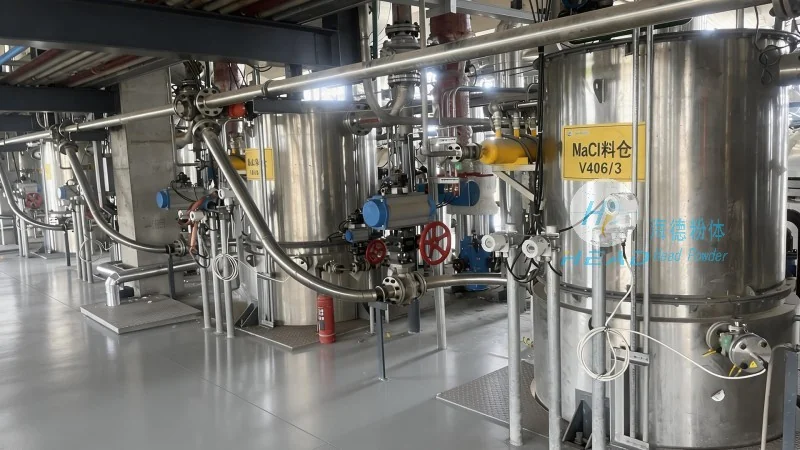
The operation of the hygroscopic sodium nitrate pneumatic conveying system is based on the principle of pneumatic transport, where material is conveyed through a pipeline using a stream of air. The process begins with the material being fed from the hopper into the conveying line. The positive displacement blower then creates a high-pressure air flow that propels the sodium nitrate particles through the pipeline. As the material moves, it is suspended in the air stream, allowing for efficient transport over long distances. The system is designed to maintain a consistent air pressure and flow rate to ensure that the hygroscopic sodium nitrate does not settle or clump due to moisture absorption. The dust collection system continuously removes any fine particles from the air, preventing contamination and ensuring that the material remains in a dry and manageable state. The entire process is automated and controlled to optimize performance, minimize downtime, and maintain product integrity.
Implementing a hygroscopic sodium nitrate pneumatic conveying system offers several key benefits for industrial operations. Firstly, it enhances material handling efficiency by enabling the transport of sodium nitrate over long distances without the need for manual handling or intermediate storage. This reduces labor costs and improves operational safety by minimizing the risk of accidents associated with handling bulk materials. Secondly, the system maintains the quality of the hygroscopic sodium nitrate by preventing moisture absorption and clumping during transport. The use of corrosion-resistant materials and effective dust collection ensures that the material remains in a dry and consistent state, which is crucial for downstream processes such as fertilizer production. Thirdly, the automated control system allows for precise regulation of the conveying rate, ensuring that the material is delivered to the next stage at the optimal time and quantity. This improves overall process efficiency and reduces waste. Additionally, the system is designed for easy maintenance and repair, with accessible components that can be serviced quickly, minimizing downtime and maximizing productivity.
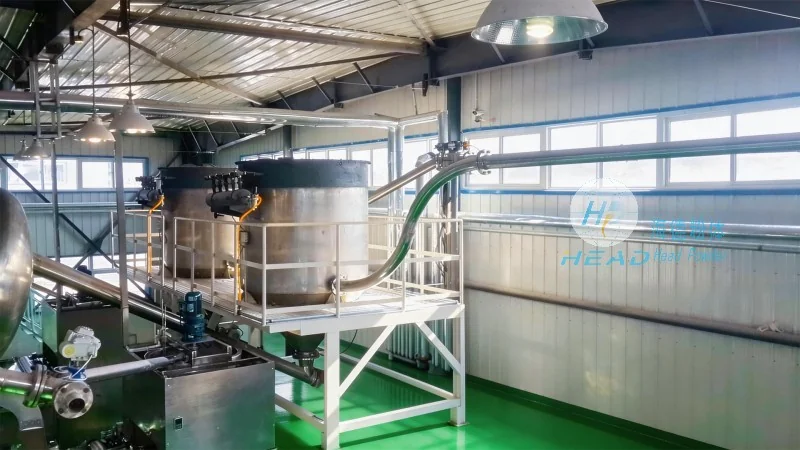
The hygroscopic sodium nitrate pneumatic conveying system is widely used in various industrial applications, particularly in the chemical and fertilizer industries. In fertilizer production, it is commonly employed to transport sodium nitrate from storage silos to mixing and granulation units, ensuring a continuous and efficient supply of raw material. The system is also used in chemical processing plants where sodium nitrate is a key ingredient in the production of other chemicals, such as nitric acid or ammonium nitrate. Additionally, the system can be integrated into bulk material handling facilities, where it is used to transport sodium nitrate from receiving areas to processing lines or storage silos. The versatility of the system allows it to be adapted to different plant layouts and operational requirements, making it a reliable solution for various industrial needs.

 Shandong Headpowder Engineering Co., Ltd.
 156-6277-7102(Manager Zhang)
  0531-83386006
  Zhangqiu District, Jinan City, Shandong Province, China
telephone
WeChatconsult
top