With more than 10‑year industry experience, Shandong Headpowder delivers full‑service pneumatic‑conveying systems and blowers, undertaking nationwide turn‑key powder‑handling projects.
HeadPowder, a leading manufacturer based in Shandong, China, specializes in the design and production of advanced pneumatic conveying systems tailored for handling peanut kernels and other similar bulk materials. This article provides a detailed overview of the operation process and working principle of their peanut kernel material pneumatic conveying machine, highlighting its efficiency, reliability, and practical applications in industrial settings.
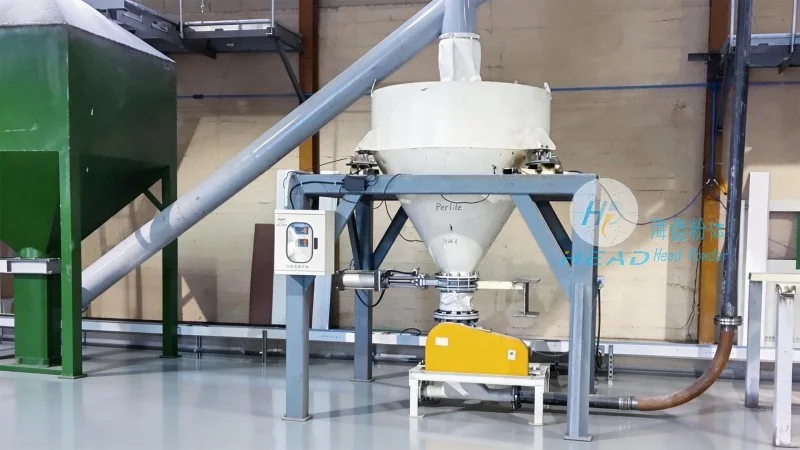
The peanut kernel material pneumatic conveying machine from Shandong HeadPowder Engineering Co., Ltd. is engineered with precision to ensure seamless material transport. The system typically comprises several core components, including a hopper for material storage, a rotary valve or feeder for controlled discharge, a conveying line (often equipped with a filter or separator), and a receiver for the discharged material. Each component plays a crucial role in maintaining the integrity and efficiency of the conveying process.
The operation of the peanut kernel material pneumatic conveying machine relies on the fundamental principle of pneumatic transport, where air is used as the medium to move bulk materials through a pipeline. The process begins with the material being fed into the hopper from the source. The rotary valve then regulates the flow of peanut kernels into the conveying line, ensuring a consistent and controlled discharge rate. Simultaneously, a blower or air compressor generates a high-pressure airflow within the pipeline. This airflow creates a negative pressure or positive pressure environment, depending on the system design, which propels the peanut kernels forward through the conveying line. The conveying line may include additional components such as filters or separators to remove dust or foreign particles, maintaining the purity of the material during transport.
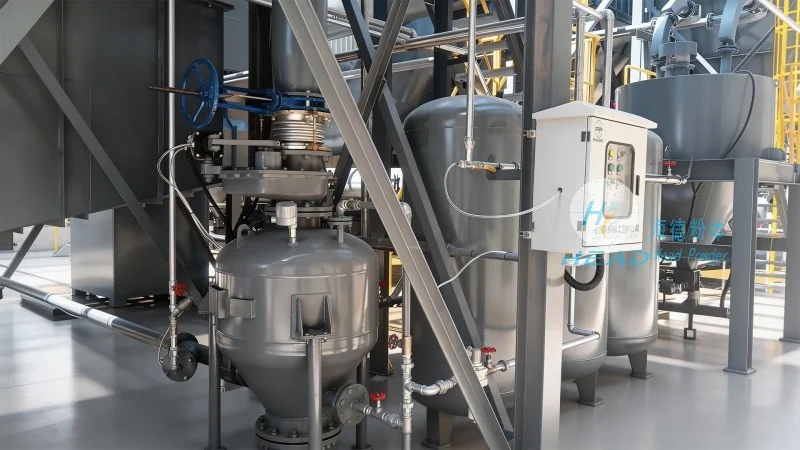
The operation process of the peanut kernel material pneumatic conveying machine involves several key steps, each designed to optimize material handling and minimize downtime. First, the hopper is filled with peanut kernels, and the system is initiated by activating the blower or air compressor. The rotary valve then starts feeding the material into the conveying line at a pre-set rate. As the air flows through the pipeline, it carries the peanut kernels, transporting them from the inlet to the receiver. The receiver is positioned at the destination, where the material is discharged under gravity or via a discharge valve. The system continuously monitors the pressure and flow rates to ensure smooth operation, with automatic controls adjusting the air volume and material feed rate as needed to maintain optimal performance.
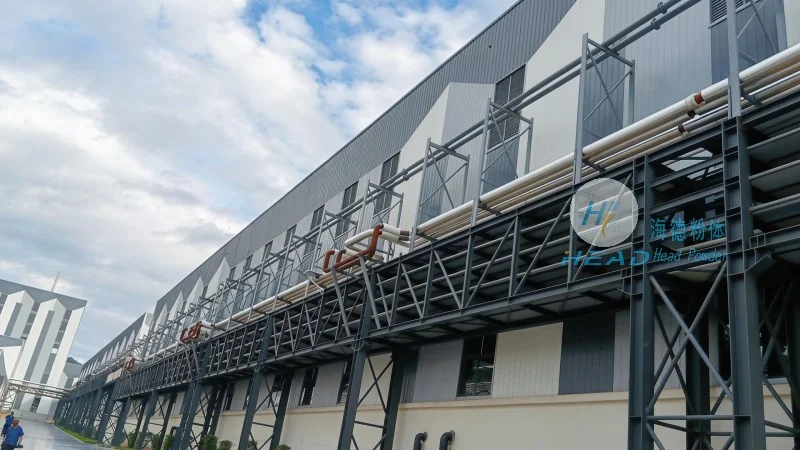
Implementing a pneumatic conveying machine for peanut kernel material offers numerous advantages for industrial operations. Firstly, it provides a dust-free and hygienic method of material transport, which is crucial for food processing applications where contamination control is paramount. The system also eliminates the need for mechanical conveyors, reducing wear and tear on equipment and minimizing maintenance costs. Additionally, the pneumatic conveying machine allows for flexible and scalable material handling, as the conveying line can be extended or modified to accommodate varying production volumes. The efficiency of the system ensures high throughput rates, making it suitable for large-scale peanut processing facilities. Furthermore, the compact design of the machine saves space in the production area, contributing to better overall facility layout and workflow.
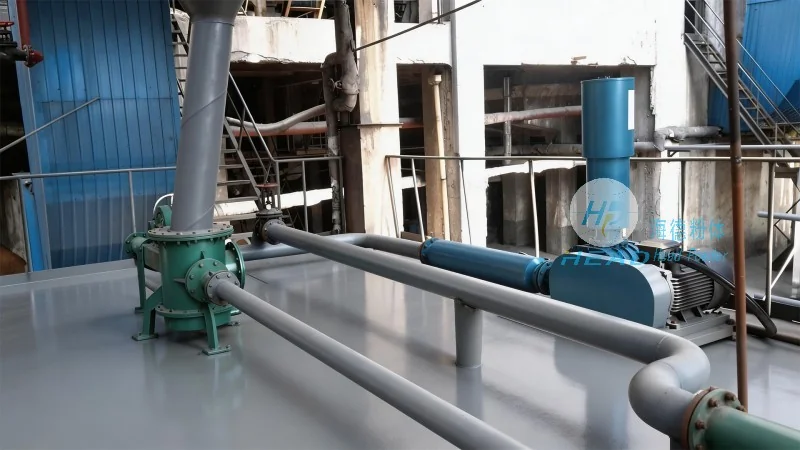
The peanut kernel material pneumatic conveying machine is widely used in various industries, particularly in food processing and agricultural processing. In the food industry, it is commonly employed in peanut processing plants for transporting raw peanut kernels from storage to processing units, such as roasting or shelling machines. The system is also utilized in the agricultural sector for moving harvested peanut kernels from fields to storage facilities or processing centers. Other applications include the handling of similar bulk materials like seeds, grains, and powders, where the principles of pneumatic transport are equally effective. The versatility of the system makes it a valuable asset for businesses seeking reliable and efficient material handling solutions.
To ensure the long-term performance and reliability of the peanut kernel material pneumatic conveying machine, regular maintenance is essential. Routine checks should be performed on the blower or air compressor to ensure proper airflow and pressure. The rotary valve and feeder should be inspected for wear and tear, with replacement of worn parts as needed to maintain consistent material feed. The conveying line and filters should be cleaned regularly to prevent clogging and maintain the system's efficiency. Additionally, monitoring the system's pressure and flow rates during operation helps identify any potential issues early, allowing for timely adjustments or repairs. Following these maintenance tips and operational guidelines helps maximize the lifespan of the equipment and minimize operational disruptions.

 Shandong Headpowder Engineering Co., Ltd.
 156-6277-7102(Manager Zhang)
  0531-83386006
  Zhangqiu District, Jinan City, Shandong Province, China
telephone
WeChatconsult
top