With more than 10‑year industry experience, Shandong Headpowder delivers full‑service pneumatic‑conveying systems and blowers, undertaking nationwide turn‑key powder‑handling projects.
For industrial applications involving the handling of silicomanganese material, efficient and reliable material transport is crucial. The pneumatic conveying machine, specifically designed for silicomanganese, offers a solution that combines performance with operational simplicity. This article explores the operation process and working principle of such a system, highlighting the key components and the steps involved in its functioning.
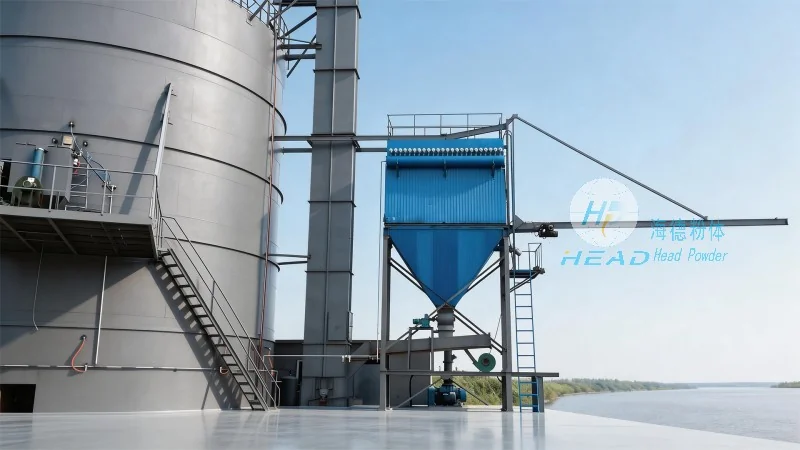
The pneumatic conveying system for silicomanganese material typically consists of several essential components that work in tandem to ensure smooth material transport. These include the hopper, which serves as the storage and feeding unit; the air compressor or blower, responsible for generating the necessary air pressure; the conveying pipeline, through which the material is transported; and the discharge unit, where the material is released at the destination. Each component plays a vital role in the overall efficiency of the system.
The core of the pneumatic conveying machine's operation lies in the use of air to move the silicomanganese material. The process begins with the material being fed from the hopper into the conveying pipeline. Simultaneously, the air compressor generates a high-pressure airflow that is introduced into the pipeline. As the air flows through the pipeline, it entrains the silicomanganese particles, creating a slurry-like mixture that is propelled forward. The velocity and pressure of the air are carefully controlled to ensure that the material is transported without causing excessive wear or degradation. The system utilizes either positive pressure or negative pressure (or a combination of both) depending on the specific application and the distance the material needs to be conveyed.
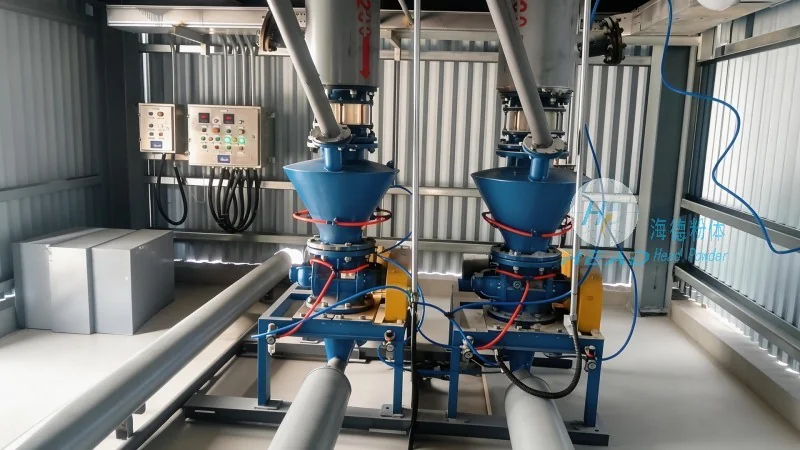
The operation of the silicomanganese material pneumatic conveying machine follows a systematic sequence of steps. First, the material is loaded into the hopper, which is equipped with a feeding mechanism to regulate the flow rate. Next, the air compressor is activated, and the air pressure is adjusted to the required level. The material is then released from the hopper into the conveying pipeline, where it is carried by the air stream. The conveying process continues until the material reaches the discharge point, where it is collected in a receiving container. The system may include additional features such as filters to remove dust or moisture from the air, and pressure relief valves to maintain safe operating conditions.
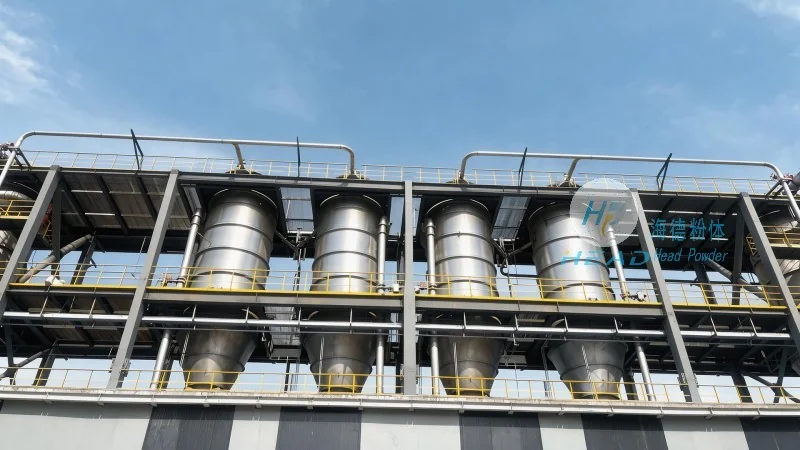
Implementing a pneumatic conveying system for silicomanganese material offers several advantages over traditional methods like belt conveyors or bucket elevators. One of the primary benefits is the ability to transport material in a closed system, which minimizes dust emissions and improves workplace safety. Additionally, the system is compact and can be installed in confined spaces, making it suitable for various industrial settings. The lack of mechanical parts in contact with the material reduces the risk of contamination and wear, leading to lower maintenance costs and longer equipment lifespan. Furthermore, the system can handle a wide range of material sizes and moisture contents, providing flexibility in material handling operations.
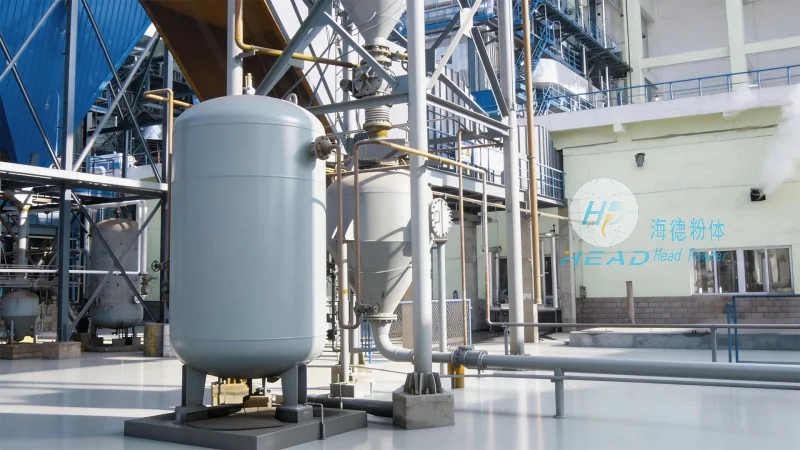
The pneumatic conveying machine for silicomanganese material is widely used in several industries, including the steel and metallurgical sectors. In steel production, silicomanganese is used as a deoxidizer and alloying agent, and the efficient transport of this material is critical for maintaining production efficiency. The system is also employed in chemical and mining industries where silicomanganese is processed or used as a raw material. The versatility of the pneumatic conveying system makes it adaptable to various production scales, from small-scale operations to large industrial plants.
To ensure the optimal performance and longevity of the silicomanganese material pneumatic conveying machine, regular maintenance is essential. This includes checking the air compressor for proper functioning, inspecting the conveying pipeline for blockages or leaks, and cleaning the filters to maintain air quality. The hopper and feeding mechanisms should also be inspected periodically to prevent material buildup or clogging. Operational considerations include monitoring the air pressure and flow rates to ensure they are within the recommended parameters. Proper training of operators on the system's operation and safety protocols is also crucial to prevent accidents and ensure smooth operation.

 Shandong Headpowder Engineering Co., Ltd.
 156-6277-7102(Manager Zhang)
  0531-83386006
  Zhangqiu District, Jinan City, Shandong Province, China
telephone
WeChatconsult
top