With more than 10‑year industry experience, Shandong Headpowder delivers full‑service pneumatic‑conveying systems and blowers, undertaking nationwide turn‑key powder‑handling projects.
For industrial applications that require efficient and reliable handling of sintered dust materials, pneumatic conveying systems offer a sophisticated solution. These systems are designed to transport bulk materials like sintered dust through a pipeline using air or other gases as the conveying medium. The operation process and working principle of such equipment are critical to understanding its effectiveness and suitability for various industrial needs.
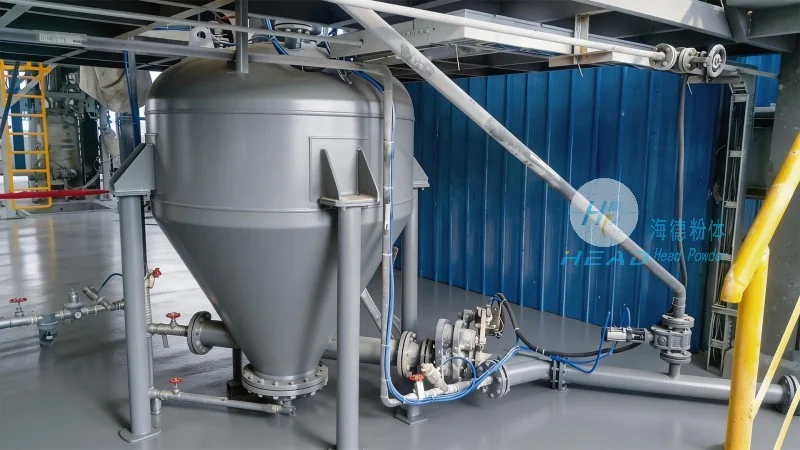
The operation of a pneumatic conveying system for sintered dust materials typically involves several key steps. First, the sintered dust is fed into the system, often from a hopper or storage silo. The material is then introduced into a pipeline where it is mixed with the conveying air. The air, under pressure, propels the dust particles through the pipeline to the destination point, such as a processing unit or storage area. The system may use either positive pressure (where air is forced into the system) or negative pressure (where air is drawn out), depending on the specific design and application requirements.
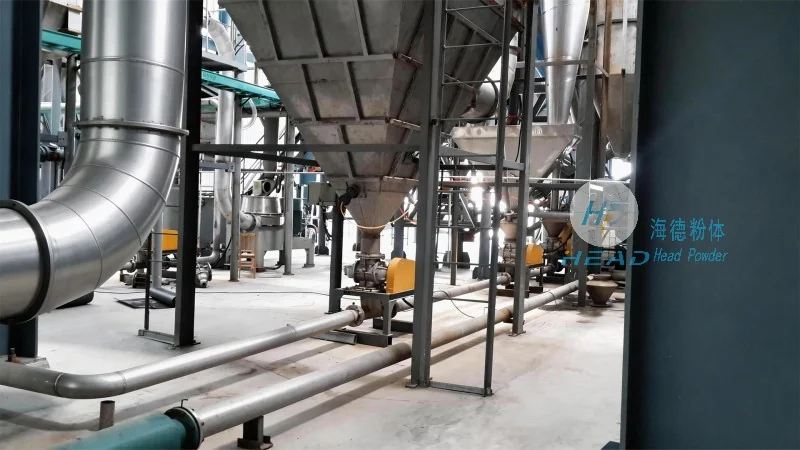
The core working principle of pneumatic conveying equipment is based on the interaction between the material and the conveying medium. In positive pressure systems, a blower or compressor generates the necessary air pressure to push the dust particles through the pipeline. The air flow creates a low-pressure zone behind the material, which draws the dust forward. In negative pressure systems, a vacuum pump creates a suction effect, pulling the dust and air mixture through the pipeline. The design of the system, including the size of the pipeline, the type of air flow, and the material characteristics, all influence the efficiency and performance of the conveying process.
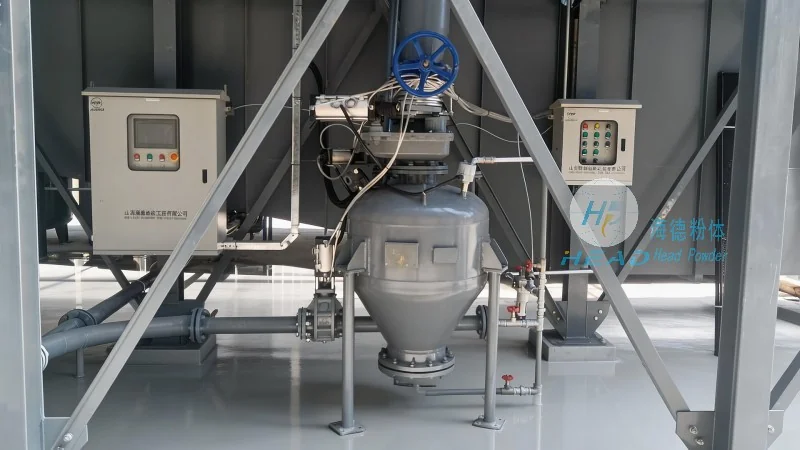
Several key components are integral to the operation of a pneumatic conveying system for sintered dust. These include the material feed hopper, which ensures a consistent flow of dust into the system; the air supply unit (blower or compressor), which provides the necessary pressure or vacuum; the conveying pipeline, which transports the material; and the discharge unit, which releases the material at the destination. Additionally, components like cyclones or filters may be used to separate the dust from the air at the end of the process, ensuring clean air is returned to the system or released safely.
Implementing pneumatic conveying systems for sintered dust offers several advantages over traditional methods like belt conveyors or bucket elevators. These systems are highly efficient in terms of space utilization, as they can transport materials through vertical or horizontal pipelines without the need for complex infrastructure. They also provide a hygienic and dust-free environment, which is crucial for applications where contamination must be minimized. Furthermore, pneumatic conveying can handle a wide range of material characteristics, including varying particle sizes and moisture content, making it versatile for different industrial processes.
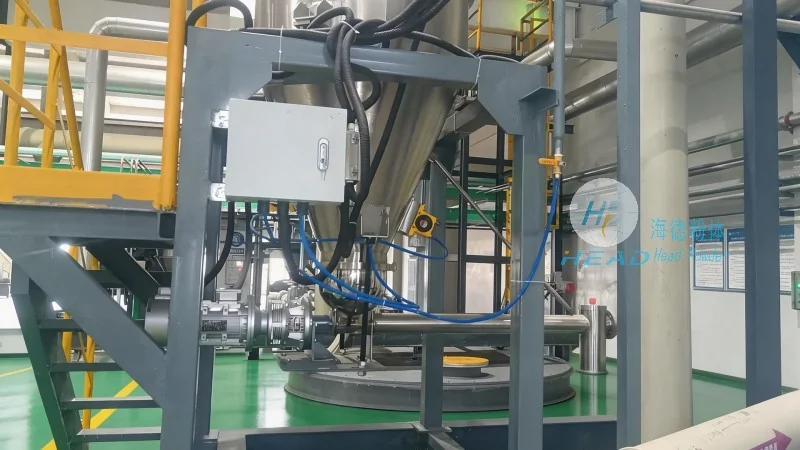
Shandong HeadPowder Engineering Co., Ltd., operating under the brand name headpowder, is a leading manufacturer and supplier of pneumatic conveying equipment for industrial applications. With a focus on innovation and quality, the company has developed advanced systems tailored to the specific needs of industries dealing with sintered dust and other bulk materials. Headpowder's expertise lies in designing customized solutions that ensure optimal performance, reliability, and efficiency, helping clients improve their material handling processes and overall operational productivity.

 Shandong Headpowder Engineering Co., Ltd.
 156-6277-7102(Manager Zhang)
  0531-83386006
  Zhangqiu District, Jinan City, Shandong Province, China
telephone
WeChatconsult
top