With more than 10‑year industry experience, Shandong Headpowder delivers full‑service pneumatic‑conveying systems and blowers, undertaking nationwide turn‑key powder‑handling projects.
HeadPowder, a leading engineering company based in Shandong, China, specializes in the design, manufacturing, and installation of advanced pneumatic conveying systems for various industrial applications, including the efficient handling of gypsum materials. This article provides a detailed overview of the operation process and working principles of a gypsum material pneumatic conveying line, highlighting the key components, operational steps, and technical aspects that ensure reliable and efficient material transport.
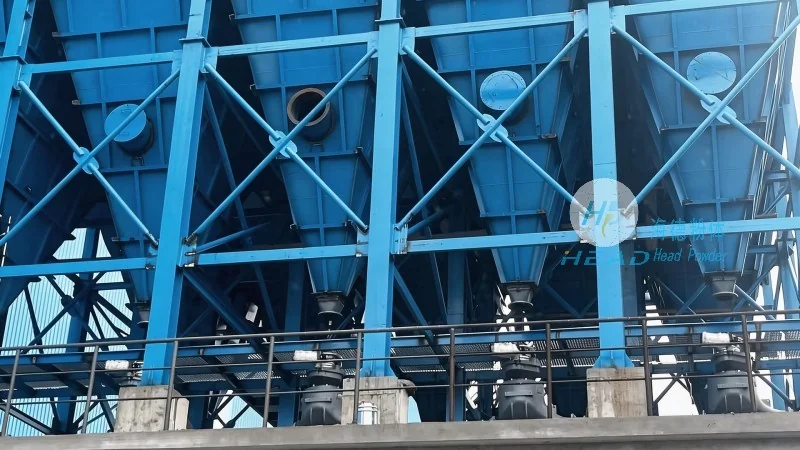
The gypsum pneumatic conveying line typically consists of several critical components that work in tandem to achieve seamless material transport. These components include the material hopper, feeder, air compressor, conveying pipeline, and receiver. The material hopper is designed to store and feed the gypsum powder into the system, ensuring a consistent flow rate. The feeder, often a rotary valve or a screw feeder, regulates the amount of material entering the pipeline, preventing overloading and maintaining system stability. The air compressor generates the necessary air pressure to move the material through the pipeline, with the pressure level adjusted based on the material characteristics and pipeline length. The conveying pipeline, usually made of stainless steel or other corrosion-resistant materials, is designed to withstand the pressure and temperature conditions of the conveying process. The receiver is the final component, where the transported gypsum material is collected and stored for further processing.
The working principle of the gypsum pneumatic conveying line is based on the principle of air flow and material suspension. When the air compressor starts, it generates a high-pressure air stream that flows through the conveying pipeline. The feeder then introduces the gypsum powder into the pipeline, where the air stream lifts and suspends the material particles, carrying them along the pipeline to the receiver. The air velocity in the pipeline is maintained at a level that ensures the material is fully suspended, preventing blockages and ensuring smooth transport. The pressure and air volume are carefully controlled to match the material's properties, such as particle size, density, and moisture content, to optimize the conveying efficiency. The system operates continuously, with the hopper feeding the material and the compressor providing the necessary air pressure to maintain the flow. The receiver collects the material as it arrives, completing the transport process.
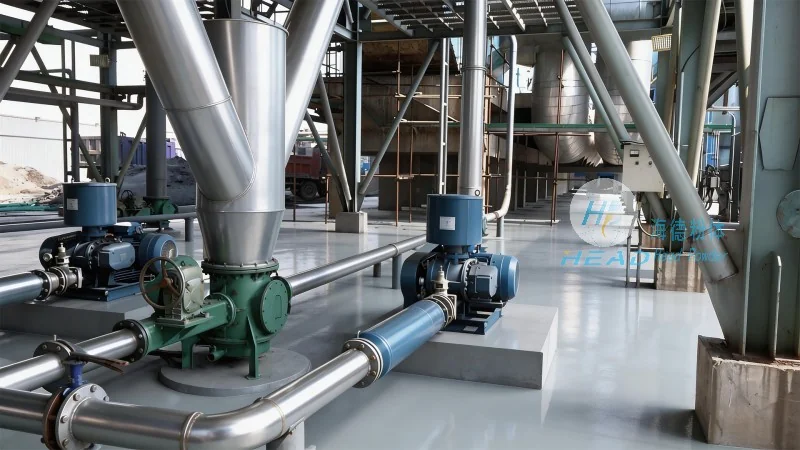
The operation process of the gypsum pneumatic conveying line involves several sequential steps that ensure the system runs efficiently and safely. First, the material hopper is filled with gypsum powder, and the feeder is adjusted to the desired flow rate. The air compressor is then started, and the system is pressurized to the required level. As the feeder introduces the material into the pipeline, the air stream lifts and transports the gypsum particles to the receiver. The receiver is monitored to ensure it is not overfilled, and the system is adjusted as needed to maintain a consistent flow. The process continues until the material in the hopper is depleted, at which point the hopper is refilled and the cycle repeats. Regular maintenance is performed to ensure the system operates at optimal performance, including checking the air compressor, cleaning the pipeline, and inspecting the feeder and hopper for any blockages or wear.
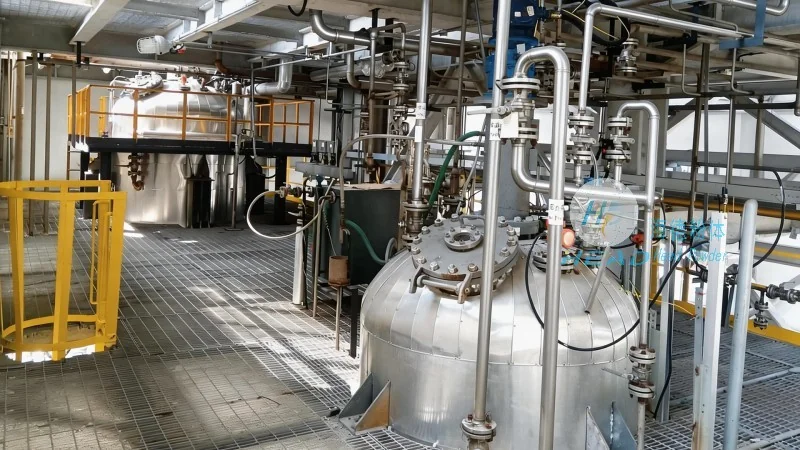
The gypsum pneumatic conveying system offers several advantages over traditional bulk material handling methods. One of the primary benefits is the ability to transport materials over long distances without the need for intermediate storage or transfer points. The system is also highly flexible, allowing for changes in the conveying route or flow rate without significant modifications. Additionally, the enclosed pipeline design prevents dust emissions and contamination, ensuring a clean and safe working environment. The system is also energy-efficient, as the air compressor can be sized to match the exact conveying requirements, minimizing energy waste. Furthermore, the system is easy to integrate with other industrial processes, such as mixing or packaging, making it a versatile solution for various applications.
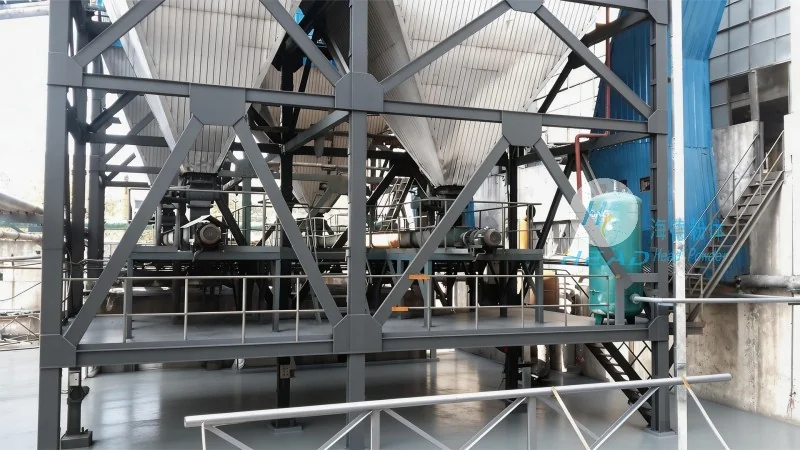
Gypsum material pneumatic conveying lines are widely used in various industrial applications, including the production of gypsum board, plaster, and other building materials. The system is also used in the chemical and pharmaceutical industries for the transport of gypsum-based products. In the food industry, the system can be used to transport gypsum as a food additive or in the production of food products. The versatility of the system makes it suitable for a wide range of applications, from small-scale operations to large industrial plants.
Shandong HeadPowder Engineering Co., Ltd., with its headquarters in Shandong, China, is a trusted provider of advanced pneumatic conveying systems for gypsum and other bulk materials. The company's expertise in engineering and manufacturing ensures that its systems are designed to meet the specific needs of each client, providing reliable and efficient material transport solutions. With a focus on quality and customer satisfaction, HeadPowder has established itself as a leader in the industry, delivering high-performance systems that enhance productivity and reduce operational costs.

 Shandong Headpowder Engineering Co., Ltd.
 156-6277-7102(Manager Zhang)
  0531-83386006
  Zhangqiu District, Jinan City, Shandong Province, China
telephone
WeChatconsult
top