With more than 10‑year industry experience, Shandong Headpowder delivers full‑service pneumatic‑conveying systems and blowers, undertaking nationwide turn‑key powder‑handling projects.
Caustic soda, also known as sodium hydroxide, is a widely used chemical in various industrial applications. The efficient handling and transportation of caustic soda materials are crucial for maintaining production efficiency and safety. Pneumatic conveying systems offer a reliable solution for this purpose, especially in the form of a dedicated caustic soda material pneumatic conveying line. This article provides an in-depth look at the operation process and working principle of such a system, highlighting the key components and their functions. The company, Shandong HeadPowder Engineering Co., Ltd., is based in Shandong, China, and specializes in the design and manufacturing of advanced conveying solutions tailored to the needs of chemical processing industries.
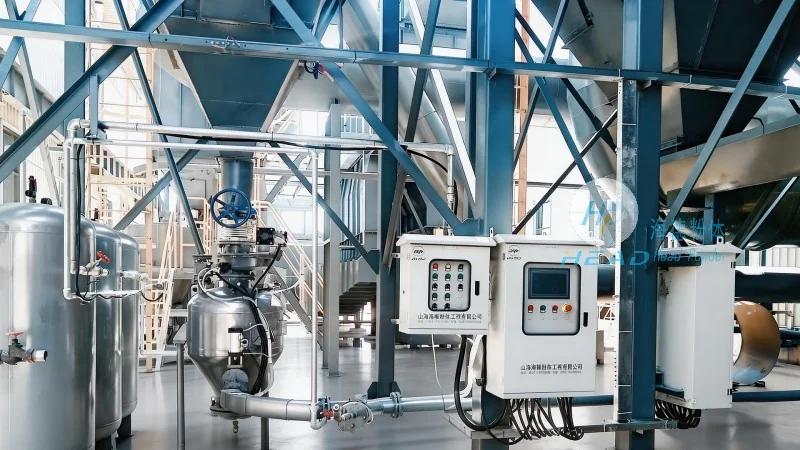
The caustic soda material pneumatic conveying line typically consists of several critical components that work in tandem to achieve efficient material transport. These components include the material feed hopper, the air compressor or blower, the conveying pipeline, the control valves, and the discharge receiver. Each component plays a vital role in the overall operation of the system.
The material feed hopper is responsible for storing and feeding the caustic soda material into the conveying line. It is designed to handle the bulk material and ensure a consistent flow rate. The hopper is often equipped with a feeder mechanism, such as a rotary valve or a screw feeder, which controls the amount of material entering the pipeline. This component is crucial for maintaining a stable and controlled material flow, preventing blockages and ensuring smooth operation.
The air compressor or blower is the heart of the pneumatic conveying system. It generates the necessary air pressure to move the caustic soda particles through the pipeline. The choice of compressor depends on the material characteristics, conveying distance, and system capacity. For caustic soda, which may have varying particle sizes and moisture content, a suitable compressor that can handle these conditions is essential. The compressor is typically connected to the pipeline via a filter and regulator to ensure clean and controlled air flow.
The conveying pipeline is the main channel through which the caustic soda material is transported. It is usually made of materials that are resistant to corrosion and chemical attack, such as stainless steel or special alloys. The pipeline is designed with appropriate bends and fittings to guide the material along the desired path. The diameter and length of the pipeline are determined based on the material flow rate and the distance to be covered. Proper pipeline design is critical to minimize pressure drop and ensure efficient material transport.
The control valves are used to regulate the air flow and material flow within the system. They allow for adjustments in the conveying rate and pressure, enabling operators to control the material movement as needed. These valves are typically automated and can be integrated with a control system to provide real-time monitoring and adjustment. The control valves help maintain system stability and prevent over-pressurization or under-pressurization, which could lead to system failures or material loss.
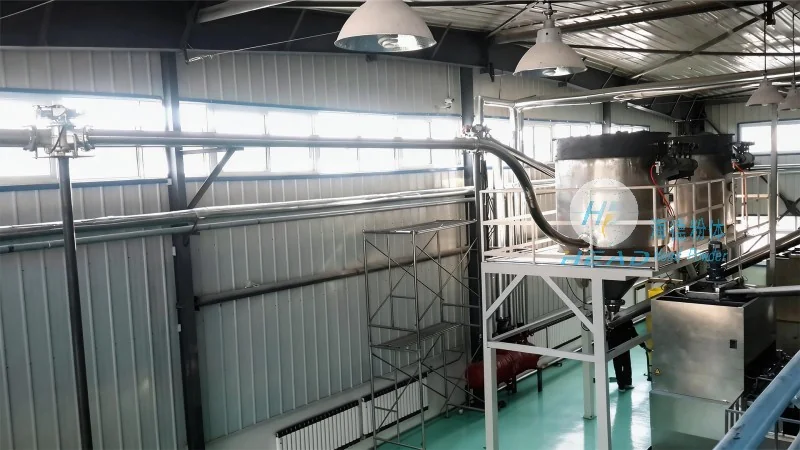
The discharge receiver is the final component of the conveying line, where the caustic soda material is deposited. It is designed to collect the material and prevent it from escaping or being contaminated. The receiver is often equipped with a dust collection system to ensure environmental compliance and safety. The design of the discharge receiver is crucial for preventing material spillage and ensuring that the material is delivered to the next processing stage in a controlled manner.
The operation of the caustic soda material pneumatic conveying line involves a series of steps that ensure the smooth and efficient transport of the material. The process typically starts with the loading of the material into the feed hopper. The feeder mechanism then controls the flow of material into the pipeline, while the air compressor generates the necessary air pressure to move the material.
As the material enters the pipeline, it is suspended in the air stream and carried along the pipeline to the discharge receiver. The air flow rate and pressure are carefully controlled to ensure that the material is conveyed at the desired speed and without excessive pressure drop. The system may include intermediate points for material sampling or additional processing, but the primary focus is on the continuous transport from the feed hopper to the discharge receiver.
During operation, the control system monitors various parameters such as pressure, flow rate, and material level. Any deviations from the set points are automatically adjusted by the control valves and the compressor, ensuring that the system operates within safe and efficient limits. The operators can also manually adjust the system parameters as needed to accommodate changes in material characteristics or production demands.
The entire operation process is designed to be continuous and automated, minimizing the need for manual intervention and reducing the risk of human error. This approach enhances operational efficiency and ensures consistent material handling, which is critical for maintaining production quality and safety.
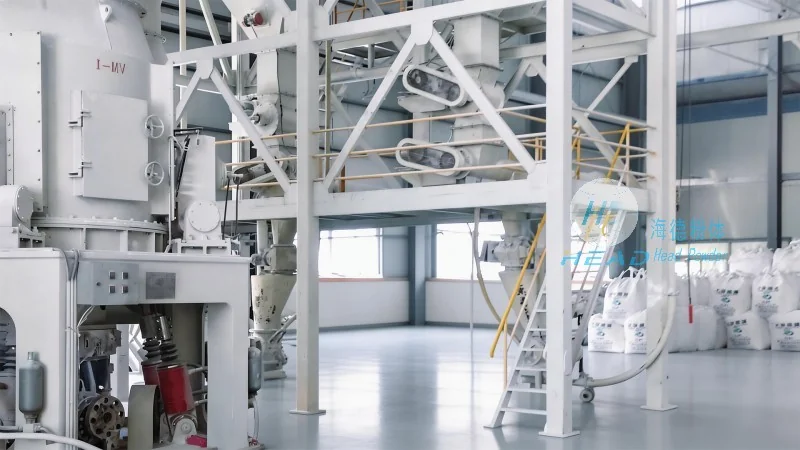
The working principle of the caustic soda material pneumatic conveying system is based on the principle of fluidization and suspension of the material particles in a gas stream. When the air compressor generates the required pressure, it forces air through the pipeline, creating a flow that can lift and transport the caustic soda particles.
The material particles are drawn into the pipeline by the air flow and are suspended in the air stream. The velocity of the air is maintained at a level that is sufficient to keep the particles in suspension without causing excessive wear or damage to the pipeline. The system operates under positive pressure, meaning that the air pressure is higher than the ambient pressure, which helps prevent material leakage and contamination.
The key to the system's efficiency is the balance between the air flow rate and the material feed rate. If the air flow is too low, the material may not be fully suspended and could settle in the pipeline, leading to blockages. Conversely, if the air flow is too high, it can cause excessive pressure drop and energy consumption. The control system continuously adjusts these parameters to maintain optimal operation.
The system also utilizes the concept of pressure drop, which is the reduction in air pressure as it travels through the pipeline and components. By monitoring the pressure drop, the system can detect any blockages or changes in material flow, allowing for timely adjustments to prevent system failures. This feedback mechanism is essential for maintaining the reliability and performance of the pneumatic conveying line.

Implementing a caustic soda material pneumatic conveying line offers several advantages over traditional material handling methods. One of the primary benefits is the ability to handle caustic and potentially hazardous materials in a safe and enclosed environment. The system prevents direct contact between the material and operators, reducing the risk of exposure and accidents.
Another advantage is the high efficiency and speed of material transport. Pneumatic conveying systems can move materials over long distances quickly and with minimal labor. This is particularly beneficial for large-scale chemical processing plants where material transport is a critical part of the production process.
The system also offers flexibility in terms of layout and integration. The conveying line can be designed to follow the existing plant layout, minimizing the need for additional infrastructure. The components can be easily modified or expanded to accommodate changes in production capacity or material types.
Furthermore, the use of a pneumatic conveying line can reduce material loss and contamination. The enclosed system prevents dust and particles from escaping into the environment, ensuring compliance with environmental regulations. It also prevents cross-contamination between different materials, which is crucial for maintaining product quality.
The caustic soda material pneumatic conveying line is a sophisticated and reliable system designed to handle the challenges of transporting caustic soda materials safely and efficiently. By understanding the key components, operation process, and working principles, users can appreciate the importance of such systems in modern chemical processing industries. The company, Shandong HeadPowder Engineering Co., Ltd., provides expert solutions tailored to the specific needs of its clients, ensuring that their caustic soda material handling processes are optimized for performance, safety, and sustainability.

 Shandong Headpowder Engineering Co., Ltd.
 156-6277-7102(Manager Zhang)
  0531-83386006
  Zhangqiu District, Jinan City, Shandong Province, China
telephone
WeChatconsult
top