

Operation Process and Working Principle of Iron Sand Material Pneumatic Conveying Lines
HeadPowder, a leading provider in the field, specializes in the design, manufacturing, and installation of pneumatic conveying systems tailored for iron sand materials. This article delves into the operational process and underlying principles of such systems, offering insights into their efficiency and reliability.
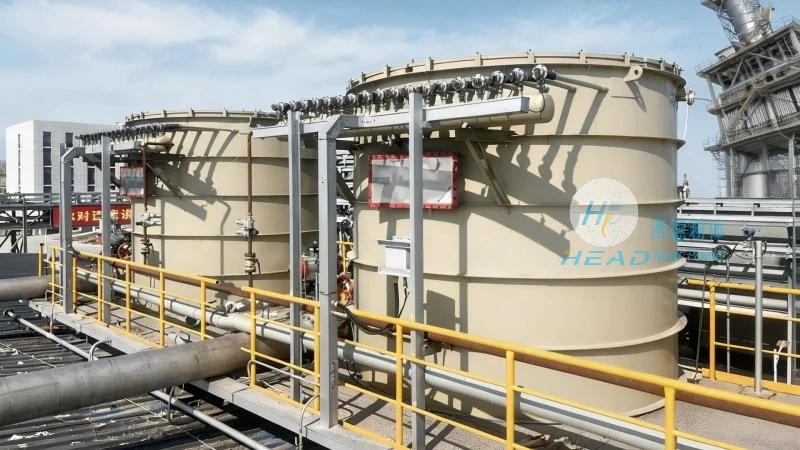
About HeadPowder Engineering Co., Ltd.
HeadPowder, formally known as Shandong HeadPowder Engineering Co., Ltd., is headquartered in Shandong, China. The company has established itself as a trusted name in the industrial sector, focusing on delivering high-quality pneumatic conveying solutions that meet the specific needs of clients handling iron sand and similar bulk materials.
Working Principle of Pneumatic Conveying Systems
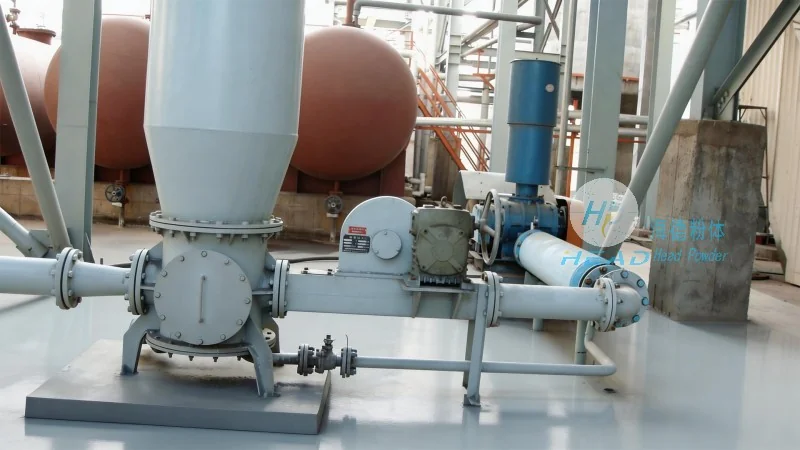
The core of a pneumatic conveying line is the transfer of iron sand material through a pipeline using air or gas as the conveying medium. The process typically involves several key components and steps. First, the iron sand is fed into a hopper or feeder, where it is then introduced into the conveying line. A fan or blower generates the necessary air pressure, which propels the material through the pipeline. The system may employ different types of conveying, such as dilute-phase or dense-phase, depending on the material characteristics and application requirements.
Operational Process Overview
1. Material Loading: The iron sand is loaded into the hopper, which acts as a storage and feeding unit. The hopper is equipped with a feeder mechanism, such as a rotary valve or screw feeder, to control the flow rate of the material into the conveying line. 2. Air Supply: A high-pressure fan or blower provides the air pressure required to move the material. The air is introduced at the inlet of the conveying line, creating a flow that carries the iron sand particles. 3. Conveying Path: The material travels through the pipeline, which may include bends, elbows, or vertical sections. The design of the pipeline is crucial to ensure smooth material transport without blockages or excessive pressure loss. 4. Discharge: At the receiving end, the iron sand is discharged into a container or storage area. The system may include a separator or filter to remove excess air before the material is collected, ensuring a clean and efficient discharge process.
Key Components and Their Functions
Several critical components work together to ensure the smooth operation of the pneumatic conveying line. These include: 1. Hopper and Feeder: The hopper stores the iron sand and feeds it into the system at a controlled rate. The feeder regulates the flow, preventing overloading or underloading of the conveying line. 2. Fan or Blower: This component generates the air pressure needed to move the material. The choice of fan type (e.g., centrifugal or positive displacement) depends on the material's properties and the required conveying distance. 3. Pipeline System: The pipeline is the main pathway for the material and air. It is typically made of durable materials like stainless steel or plastic to withstand the abrasive nature of iron sand. 4. Control System: Sensors and controls monitor the pressure, flow rate, and material level, ensuring the system operates within optimal parameters. 5. Separator or Filter: This component removes excess air from the material at the discharge end, preventing dust and ensuring the material is collected in a clean state.
Advantages of Pneumatic Conveying for Iron Sand
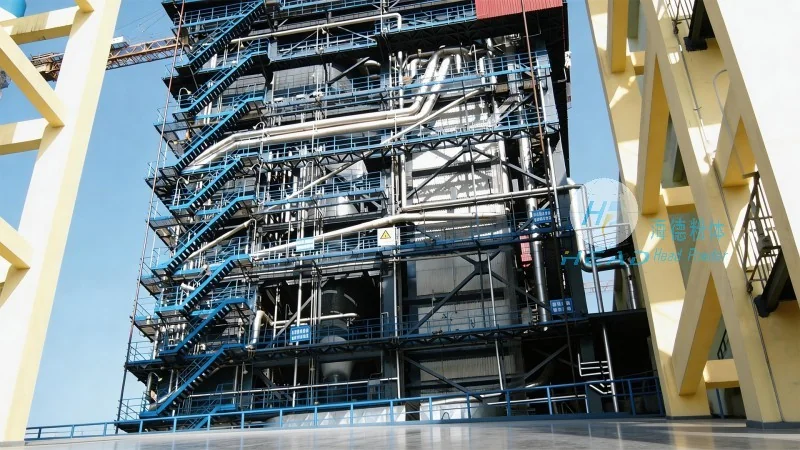
Pneumatic conveying systems offer several advantages when handling iron sand materials. These include: 1. Continuous and Uninterrupted Operation: Unlike mechanical conveying systems, pneumatic systems can operate continuously without the need for frequent maintenance or downtime. 2. Reduced Labor Costs: The automated nature of the system minimizes the need for manual handling, reducing labor costs and improving safety. 3. Low Maintenance Requirements: With fewer moving parts compared to mechanical systems, pneumatic conveying lines require less maintenance, leading to lower operational costs. 4. Versatility: The system can handle a wide range of material sizes and shapes, making it suitable for various industrial applications. 5. Clean and Hygienic Operation: The enclosed pipeline system prevents dust and contamination, ensuring the material remains clean and free from external pollutants.
Conclusion
HeadPowder Engineering Co., Ltd. provides comprehensive solutions for iron sand material pneumatic conveying lines, combining advanced technology with reliable design. By understanding the operational process and working principles, clients can leverage these systems to enhance efficiency, reduce costs, and ensure safe and effective material handling. With headquarters in Shandong, China, HeadPowder continues to deliver high-quality pneumatic conveying solutions tailored to the unique needs of industrial applications.