With more than 10‑year industry experience, Shandong Headpowder delivers full‑service pneumatic‑conveying systems and blowers, undertaking nationwide turn‑key powder‑handling projects.
HeadPowder, a leading engineering company based in Shandong, China, specializes in the design, manufacturing, and installation of advanced pneumatic conveying systems tailored for cotton material handling. Pneumatic conveying is a critical technology in the cotton processing industry, enabling efficient and dust-free transportation of raw cotton and processed cotton products. This article provides a detailed overview of the operation process and working principles of such systems, highlighting the key components and the seamless workflow involved.
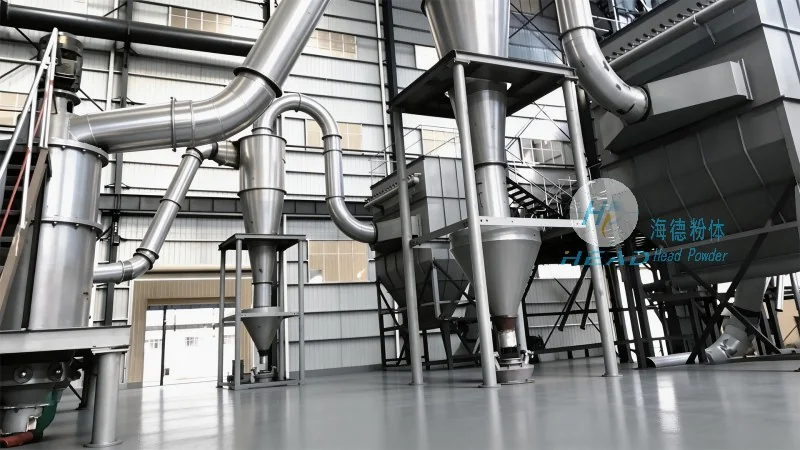
The operation process of a cotton material pneumatic conveying system begins with the material feeding stage. Raw cotton or cotton bales are first prepared and fed into the system via a hopper or a specialized loading device. The material is then introduced into the conveying pipeline, where it is mixed with a high-velocity air stream. This air stream, generated by a powerful blower or fan, propels the cotton particles through the pipeline. The system typically employs a combination of positive and negative pressure zones to ensure efficient transport, with the air flow direction and pressure differentials carefully controlled to maintain optimal material movement.
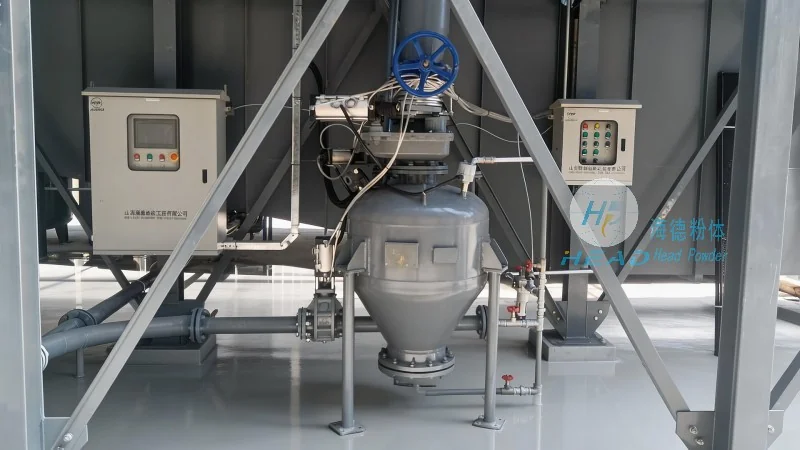
During the conveying process, the cotton material is suspended and transported within the pipeline by the air flow. The system includes key components such as the feed hopper, airlock, conveying line, and separation equipment. The feed hopper ensures a consistent material supply, while the airlock prevents air leakage and maintains pressure stability. The conveying line, often made of stainless steel or other corrosion-resistant materials, is designed to withstand the abrasive nature of cotton fibers and the pressure variations during operation. At the receiving end, a separator or cyclone is used to separate the cotton from the air stream, allowing the material to be deposited into a collection bin or storage area. This separation process is crucial for maintaining the quality of the cotton and preventing contamination from dust or other particles.
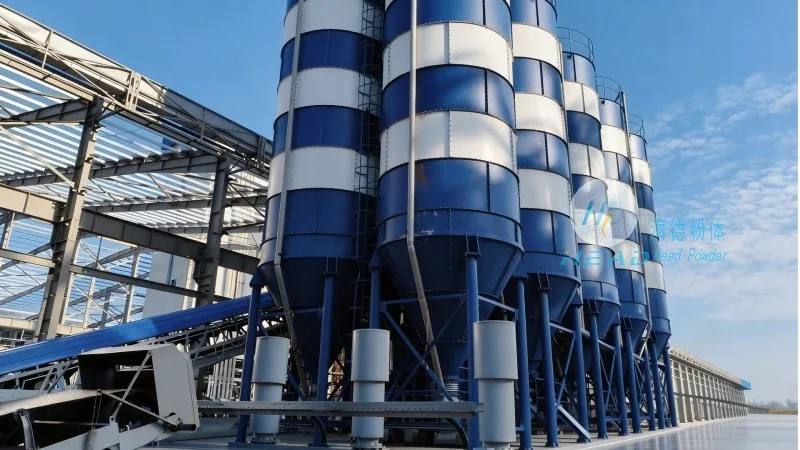
The working principle of a cotton material pneumatic conveying system relies on the fundamental physics of fluid dynamics and particle suspension. The system operates by creating a pressure differential between the inlet and outlet of the conveying line. In positive pressure systems, the blower supplies air under pressure, pushing the material through the pipeline. In negative pressure (or vacuum) systems, a vacuum pump creates a low-pressure environment, drawing the material into the pipeline. The velocity of the air stream is a critical parameter, as it must be sufficient to suspend the cotton particles and overcome the gravitational forces acting on them. The design of the system, including the size of the pipeline, the air flow rate, and the placement of components, is optimized to achieve the desired conveying efficiency and material handling capacity.
HeadPowder's expertise in pneumatic conveying technology is evident in the robust and reliable systems they provide. By integrating advanced control systems and high-quality components, their solutions ensure consistent performance and minimal downtime. The company's engineers work closely with clients to understand their specific cotton processing needs, from raw material handling to finished product transport, and tailor the pneumatic conveying systems accordingly. This customized approach ensures that the systems meet the unique requirements of each cotton processing facility, whether it is a small-scale operation or a large industrial plant.

Key benefits of using pneumatic conveying systems for cotton material handling include improved safety, as the process is enclosed and dust-free, reducing the risk of respiratory issues and fire hazards. Additionally, the systems offer high efficiency in terms of material throughput and energy consumption, with lower maintenance costs compared to traditional mechanical conveying methods. The dust-free environment also enhances the quality of the cotton products, as it prevents contamination and preserves the integrity of the fibers. For cotton processing facilities seeking to enhance their operational efficiency and safety, pneumatic conveying systems from HeadPowder represent a reliable and effective solution.

 Shandong Headpowder Engineering Co., Ltd.
 156-6277-7102(Manager Zhang)
  0531-83386006
  Zhangqiu District, Jinan City, Shandong Province, China
telephone
WeChatconsult
top