

Operation Process and Working Principle of Red Mud Powder Pneumatic Conveying Line
Shandong HeadPowder Engineering Co., Ltd. specializes in providing advanced solutions for the handling and transportation of red mud powder through pneumatic conveying systems. Based in Shandong, China, the company leverages its expertise to deliver efficient and reliable equipment tailored to the unique challenges of red mud processing in the mining and metallurgical industries.
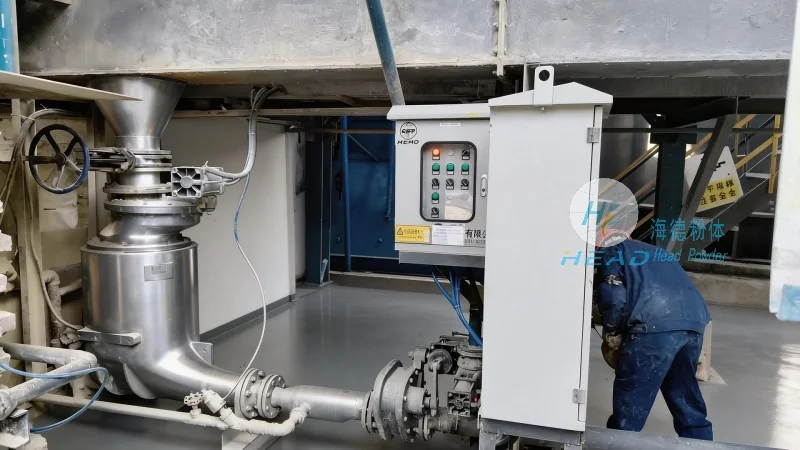
Overview of Red Mud Powder Pneumatic Conveying Lines
Red mud, a byproduct of bauxite processing in aluminum production, poses significant challenges due to its fine particle size, high moisture content, and abrasive nature. Traditional bulk material handling methods often struggle with these characteristics, leading to operational inefficiencies and equipment wear. Pneumatic conveying lines offer a solution by utilizing air to transport red mud powder from source points to processing or storage facilities. This technology not only enhances material flow efficiency but also reduces the risk of dust exposure and environmental contamination.
Key Components of the Pneumatic Conveying System
The pneumatic conveying line for red mud powder typically consists of several critical components that work in tandem to ensure smooth operation. These include a dust collector to capture and filter air and particles, a conveyor pipeline network that transports the material, a feed hopper to introduce the red mud into the system, and a control system to regulate air pressure and flow rates. Each component is designed to withstand the harsh conditions associated with red mud, such as high abrasion resistance and moisture management.
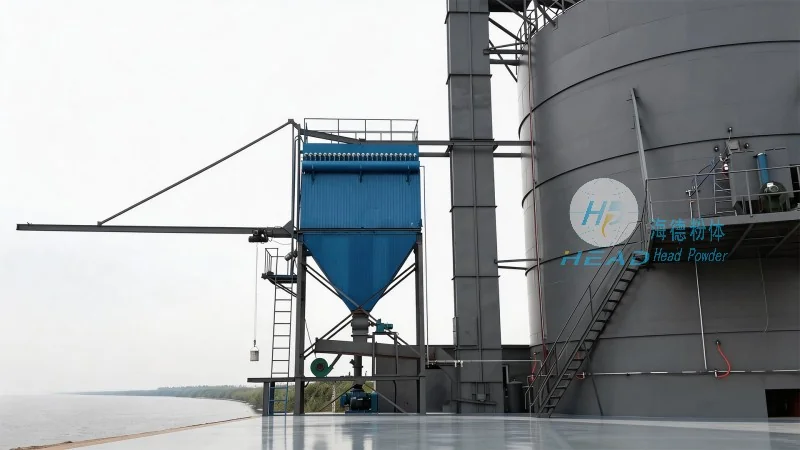
Working Principle of the Pneumatic Conveying Process
The operation of the red mud powder pneumatic conveying line begins with the loading of red mud into the feed hopper. From there, the material is drawn into the conveyor pipeline by a high-pressure air stream generated by a blower or compressor. As the air and red mud particles move through the pipeline, the system maintains a consistent flow rate to prevent blockages and ensure uniform distribution. The dust collector at the end of the line captures any residual particles, ensuring that the air is clean and safe for release into the environment. This closed-loop system minimizes material loss and maximizes the efficiency of the conveying process.
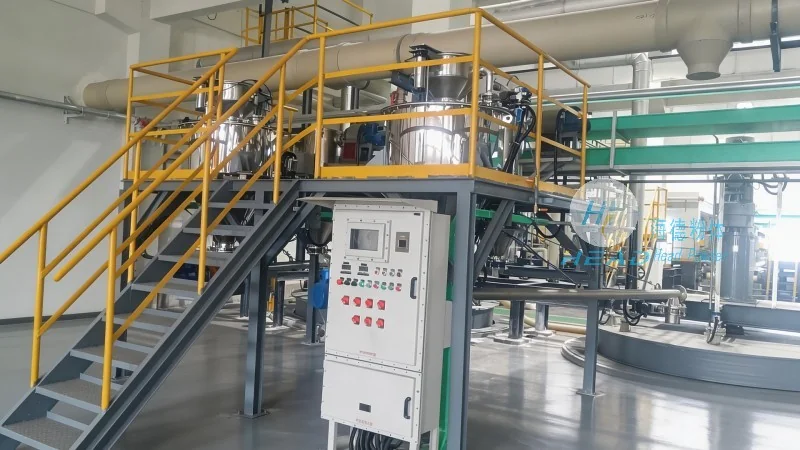
Operation Process: Step-by-Step Execution
The operational process of the red mud powder pneumatic conveying line involves several sequential steps that ensure optimal performance. First, the feed hopper is filled with red mud, and the system is activated by starting the blower. The air pressure is adjusted to the appropriate level to achieve the desired conveying velocity. As the red mud is drawn into the pipeline, the system monitors flow rates and pressure to maintain stability. The conveying process continues until the target amount of red mud has been transported to the destination point. Finally, the system is shut down, and the dust collector is activated to clear any accumulated particles from the pipeline and hopper.
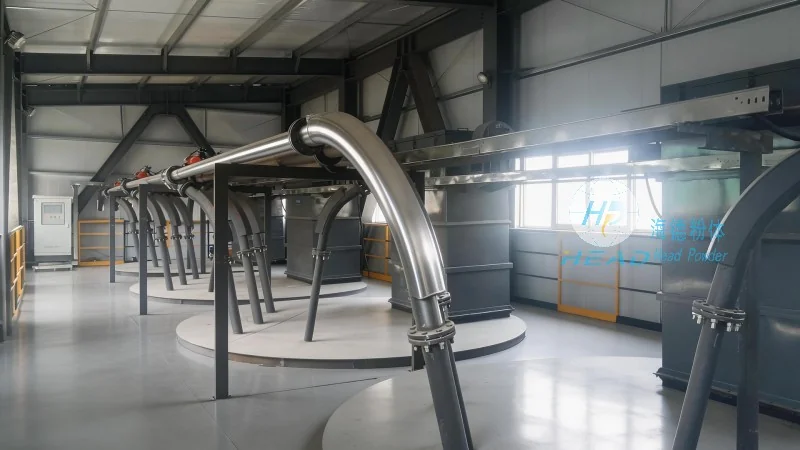
Advantages of Pneumatic Conveying for Red Mud Handling
Implementing a pneumatic conveying line for red mud powder offers numerous advantages over traditional handling methods. These include reduced labor costs due to automated material transport, minimized environmental impact by containing dust and preventing spills, and increased operational safety by eliminating manual handling of abrasive materials. Additionally, the system's ability to handle fine particles and high moisture content makes it ideal for red mud processing, where other methods may fail to achieve the required efficiency.
Maintenance and Operational Considerations
To ensure the long-term reliability of the red mud powder pneumatic conveying line, regular maintenance is essential. This includes inspecting and cleaning the dust collector filters, checking the condition of the conveyor pipeline for signs of wear or blockage, and verifying the performance of the blower and control system. Proper maintenance not only extends the lifespan of the equipment but also maintains the efficiency of the conveying process. Additionally, operators should be trained to monitor system parameters and respond to any deviations in flow or pressure to prevent system failures.