With more than 10‑year industry experience, Shandong Headpowder delivers full‑service pneumatic‑conveying systems and blowers, undertaking nationwide turn‑key powder‑handling projects.
HeadPowder, a leading provider in the field of powder handling solutions, specializes in the design, manufacturing, and implementation of advanced negative pressure vacuum powder pneumatic conveying systems. This article delves into the operation process and working principle of such systems, offering a comprehensive understanding for professionals and potential clients alike.
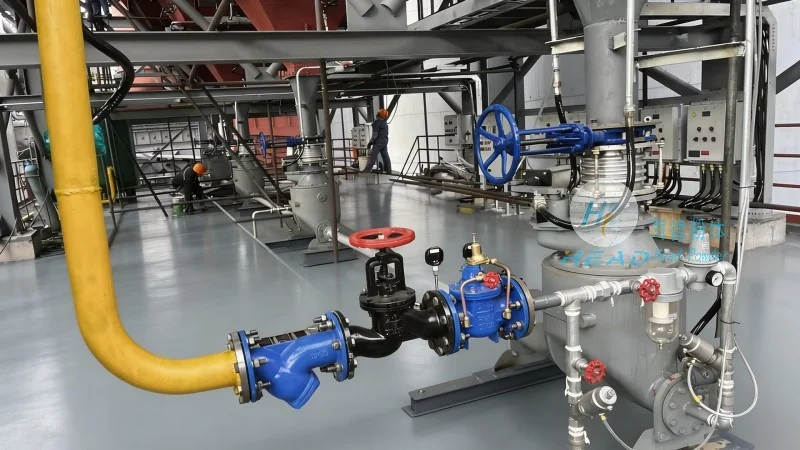
HeadPowder, formally known as Shandong HeadPowder Engineering Co., Ltd., is headquartered in Shandong, China. The company has established itself as a trusted partner in the industry, delivering high-quality equipment and technical expertise to meet diverse powder handling needs.
Negative pressure vacuum powder pneumatic conveying lines are sophisticated systems engineered to transport dry bulk materials, such as powders and granules, from one location to another using air as the conveying medium. Unlike positive pressure systems, these lines operate under a reduced pressure environment, which helps in maintaining product integrity and minimizing dust emissions. The core components of a typical negative pressure system include a vacuum pump, a hopper for material storage, a conveying line, and a receiver for the discharged material. Each component plays a critical role in ensuring efficient and reliable material transport.
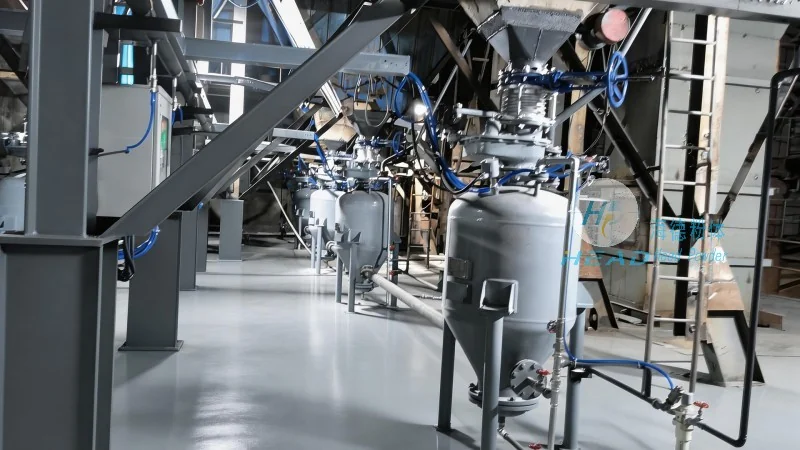
The operation of a negative pressure vacuum powder pneumatic conveying line begins with the material being fed into the hopper. The vacuum pump then creates a low-pressure zone within the system, causing air to be drawn through the conveying line and into the hopper. As the material is drawn along with the air stream, it travels through the pipeline to the receiver, where the air is separated from the material and either vented or recirculated. The key to this process lies in the balance between the vacuum pressure and the material's flow characteristics, ensuring that the material moves smoothly without clogging or degradation.
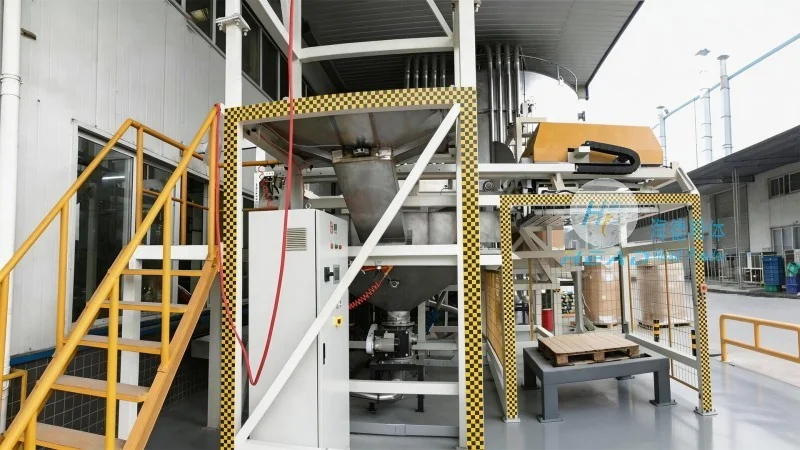
The operation process of a negative pressure vacuum powder pneumatic conveying line can be broken down into several key stages:
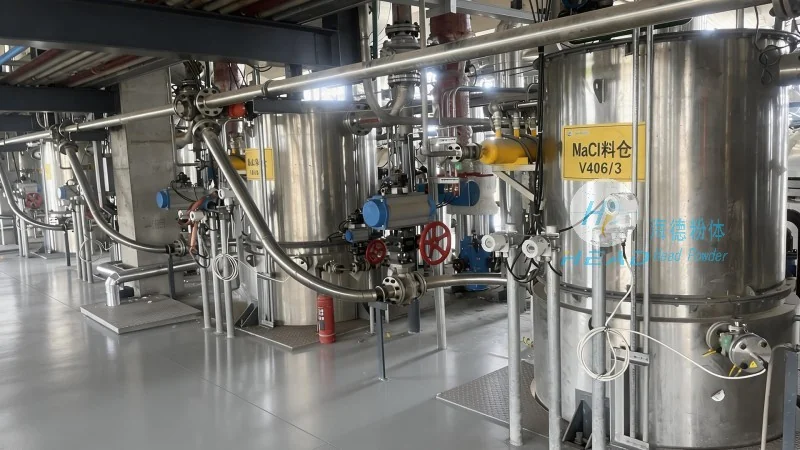
Negative pressure vacuum powder pneumatic conveying systems offer several advantages that make them ideal for various industrial applications. These include:
Common applications of negative pressure vacuum conveying include pharmaceuticals, food processing, chemical manufacturing, and mining, where the handling of sensitive or hazardous materials requires precise control and minimal contamination.

 Shandong Headpowder Engineering Co., Ltd.
 156-6277-7102(Manager Zhang)
  0531-83386006
  Zhangqiu District, Jinan City, Shandong Province, China
telephone
WeChatconsult
top