With more than 10‑year industry experience, Shandong Headpowder delivers full‑service pneumatic‑conveying systems and blowers, undertaking nationwide turn‑key powder‑handling projects.
Positive pressure blown powder pneumatic conveying equipment, as a key component in modern powder handling systems, plays a crucial role in efficiently transporting bulk powders over long distances. This equipment operates by generating high-pressure air to push the powder material through a pipeline network, ensuring a continuous and reliable flow. The following sections will detail the operational process and underlying working principles of such equipment, providing a comprehensive understanding for users and industry professionals.
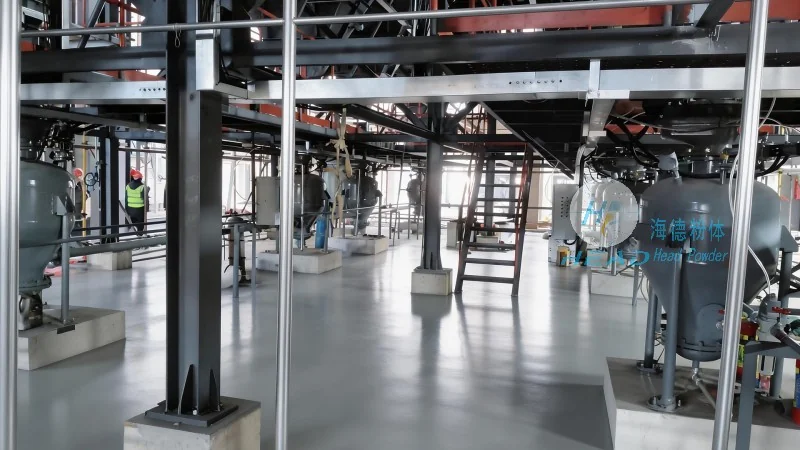
Positive pressure systems are designed to deliver powders by forcing air or gas under pressure through the conveying line. Unlike negative pressure systems that create a vacuum to draw material, positive pressure systems actively push the material forward, making them suitable for applications requiring high flow rates and long-distance transport. The equipment typically consists of a blower, a hopper for material storage, a feeder to control the flow rate, and a pipeline system with appropriate fittings and valves. This configuration ensures that the powder is transported with minimal degradation and maximum efficiency.
The performance of positive pressure blown powder pneumatic conveying equipment relies on several critical components, each playing a specific role in the overall operation. The blower is the primary source of compressed air, providing the necessary pressure to move the powder. It is usually a centrifugal or positive displacement type, selected based on the specific material characteristics and required conveying capacity. The hopper, often equipped with a discharge valve or gate, stores the bulk powder and feeds it to the feeder. The feeder, which can be a rotary valve, screw feeder, or other type, regulates the material flow rate, preventing overloading or underloading of the system. The pipeline system, made of materials like stainless steel or plastic, must be capable of withstanding the pressure and abrasion from the powder and air mixture. Additionally, filters and cyclones are often included to separate the powder from the air at the discharge end, ensuring clean air release and preventing material loss.
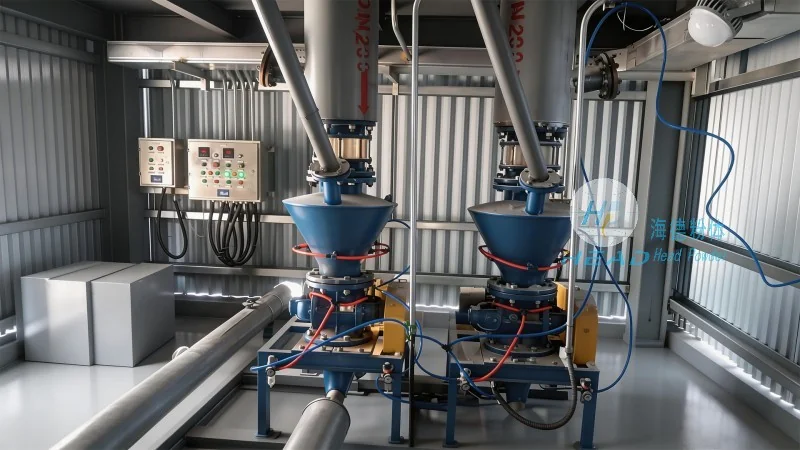
The operation of positive pressure blown powder pneumatic conveying equipment follows a systematic workflow that ensures consistent and efficient material transport. The process begins with the loading of the hopper with the powder material. Once the hopper is filled, the feeder starts to discharge the powder into the pipeline. Simultaneously, the blower activates and supplies high-pressure air to the system. The air and powder mixture is then propelled through the pipeline, moving from the hopper end to the discharge point. At the discharge end, a cyclone or filter separates the powder from the air, collecting the powder in a receiving container and releasing the clean air back into the environment. The system maintains a continuous flow by adjusting the feeder speed and blower pressure as needed to match the material demand and pipeline length. This step-by-step process ensures that the powder is transported without clogging or degradation, maintaining the quality and integrity of the material throughout the conveying process.
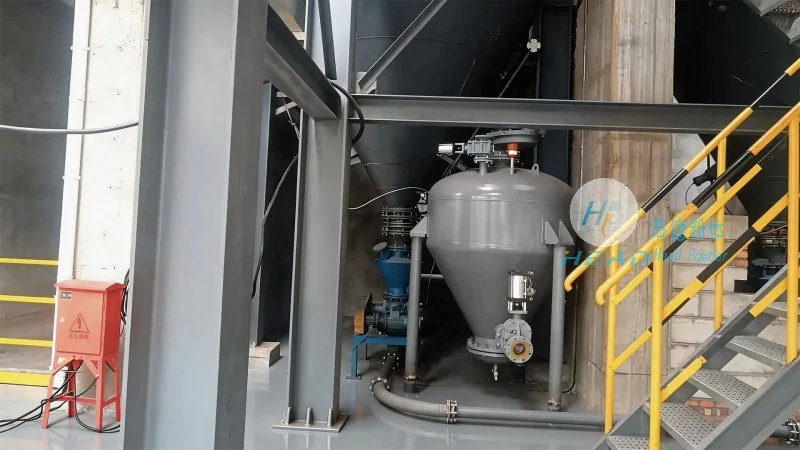
The working principle of positive pressure blown powder pneumatic conveying equipment is based on the fundamental principles of fluid dynamics and particle motion. The core concept is to create a high-pressure air stream that entrains the powder particles and transports them through the pipeline. When the high-pressure air is introduced into the hopper, it creates a low-pressure zone that draws the powder into the feeder. The feeder then meters the powder into the pipeline, where the air velocity is sufficient to keep the particles suspended and moving forward. The key to efficient conveying is maintaining a sufficient air velocity to overcome the gravitational and frictional forces acting on the particles. The pressure drop along the pipeline is managed by the blower, which provides the necessary energy to overcome the resistance from the pipeline and the powder particles. The separation process at the discharge end relies on the centrifugal force generated by the cyclone, which separates the heavier powder particles from the lighter air, allowing the powder to be collected and the air to be cleaned.
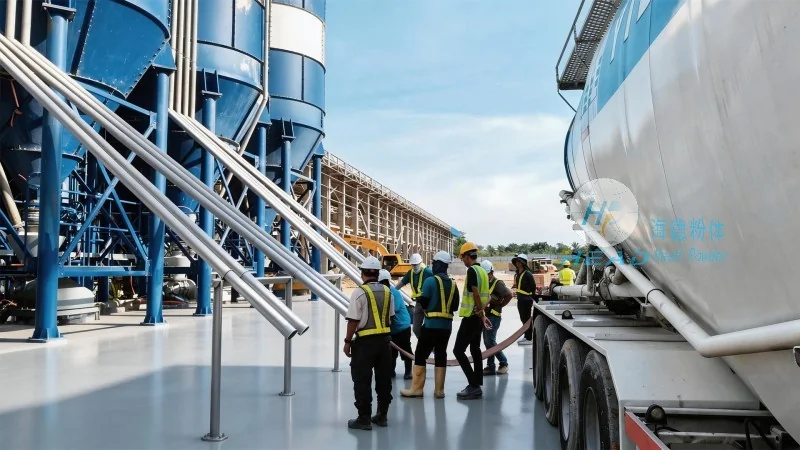
Positive pressure blown powder pneumatic conveying equipment offers several advantages over other conveying methods, making it suitable for a wide range of industrial applications. One of the primary advantages is its ability to transport powders over long distances with minimal material degradation, as the high-pressure air prevents the powder from being exposed to air for extended periods. This is particularly important for heat-sensitive or hygroscopic materials, which can degrade if exposed to ambient conditions. Additionally, positive pressure systems can handle a variety of powder types, including fine powders, bulk powders, and even sticky or abrasive materials, without causing blockages or equipment wear. The continuous flow capability of these systems ensures high throughput and reduced downtime, making them ideal for high-volume production lines. Common applications include the transport of cement, flour, plastic powders, pharmaceuticals, and chemical powders in industries such as construction, food processing, and manufacturing.
To ensure the reliable and efficient operation of positive pressure blown powder pneumatic conveying equipment, regular maintenance and proper operational considerations are essential. The blower and feeder components should be inspected regularly for wear and tear, as these parts are subject to high stress and abrasion from the powder and air. The pipeline system should be checked for leaks or blockages, as even small leaks can reduce the system's efficiency and cause material loss. The filter and cyclone systems require periodic cleaning to maintain their effectiveness in separating the powder from the air. Additionally, the system should be operated within the recommended pressure and flow rates to prevent overloading or damage to the components. Proper training of operators on the equipment's operation and maintenance is also crucial to ensure safe and efficient use. By following these maintenance and operational guidelines, users can maximize the equipment's lifespan and performance, minimizing downtime and maintenance costs.

 Shandong Headpowder Engineering Co., Ltd.
 156-6277-7102(Manager Zhang)
  0531-83386006
  Zhangqiu District, Jinan City, Shandong Province, China
telephone
WeChatconsult
top