With more than 10‑year industry experience, Shandong Headpowder delivers full‑service pneumatic‑conveying systems and blowers, undertaking nationwide turn‑key powder‑handling projects.
Shandong HeadPowder Engineering Co., Ltd., commonly known as headpowder, specializes in the design, manufacturing, and implementation of efficient material handling systems for various industrial applications. With a focus on PVC powder handling, the company has developed advanced solutions that ensure reliable and safe transportation of this critical material. This article provides an in-depth look at the operation process and working principle of PVC powder material handling systems, highlighting the key components and mechanisms that enable effective material transport.
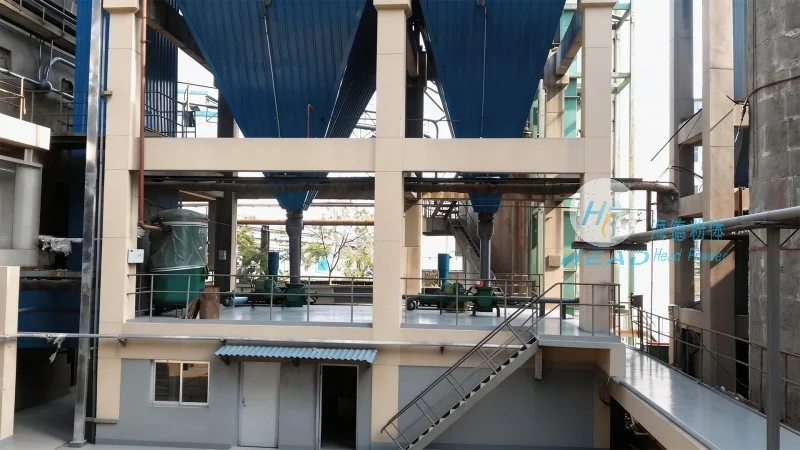
PVC (Polyvinyl Chloride) powder is widely used in the manufacturing of plastics, construction materials, and other industrial products. The efficient handling of PVC powder is crucial for maintaining production efficiency and ensuring product quality. Headpowder's systems are engineered to address the unique challenges associated with PVC powder, such as its fine particle size, static electricity, and potential for dust accumulation. By integrating advanced technology and robust design, these systems provide a reliable solution for industries that rely on PVC powder in their production processes.
The operation of PVC powder handling systems involves several critical components that work in tandem to ensure smooth material transport. These components include feeders, conveyors, storage silos, and control systems. Each component plays a vital role in the overall functionality of the system. For instance, feeders are responsible for controlling the flow rate of PVC powder from the storage silo to the conveyor system. This control is essential to prevent overloading or underloading of the conveyor, which could lead to inefficiencies or equipment damage. Conveyors, typically in the form of screw conveyors or pneumatic systems, transport the PVC powder from one location to another. The choice of conveyor type depends on factors such as the material's properties, the distance to be covered, and the required flow rate. Storage silos are used to store large quantities of PVC powder, providing a stable and controlled environment that minimizes the risk of material degradation or contamination. Control systems, often equipped with sensors and automation software, monitor the entire process and adjust parameters as needed to maintain optimal performance.
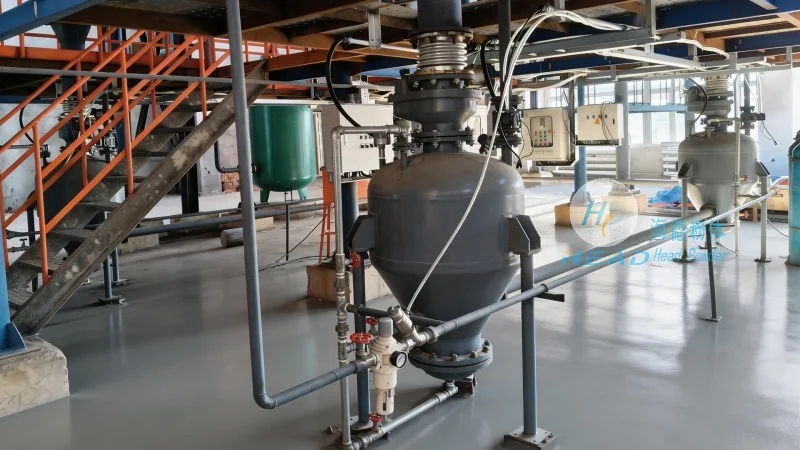
The working principle of PVC powder handling systems is based on the principles of material flow and mechanical transport. The process begins with the PVC powder being stored in a silo. The feeder then regulates the amount of powder released into the conveyor system. The conveyor then transports the powder to the next stage of the production process, such as a mixer or extruder. In some systems, pneumatic conveyors use air pressure to move the powder through a network of pipes, while screw conveyors use rotating screws to push the material forward. The control system continuously monitors the flow rate, pressure, and other parameters to ensure that the system operates within safe and efficient limits. This real-time monitoring allows for immediate adjustments if any issues arise, such as blockages or changes in material properties. The entire process is designed to be automated, reducing the need for manual intervention and minimizing the risk of human error. This automation also enhances the overall safety of the operation, as it eliminates the need for workers to handle the powder directly.
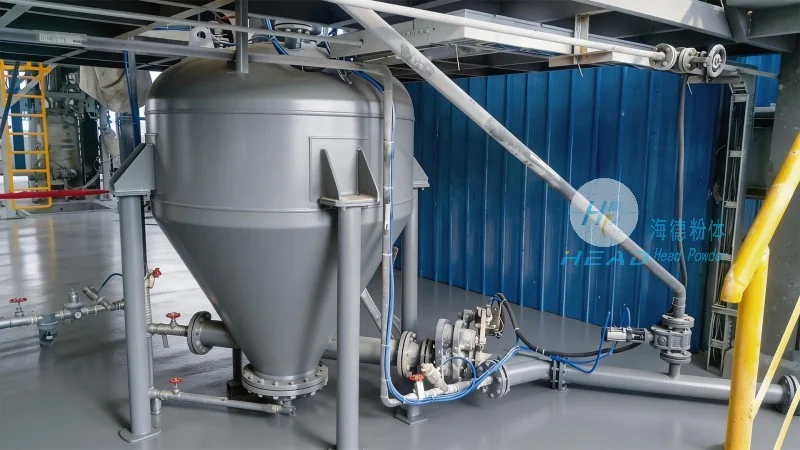
The operation process of PVC powder handling systems can be broken down into several sequential steps. First, the PVC powder is loaded into the storage silo. The silo is typically equipped with a hopper and a discharge valve that allows the powder to be released under controlled conditions. Next, the feeder is activated, and it begins to feed the powder into the conveyor system. The conveyor then transports the powder to the processing equipment. During this process, the control system monitors the flow rate and adjusts the feeder speed as needed to maintain a consistent flow. If the system detects a blockage or a change in the powder's properties, it will automatically shut down the feeder and alert the operator. Once the powder reaches the processing equipment, it is used in the next stage of production. The entire process is designed to be continuous, with the system operating 24/7 to support high-volume production. The reliability of the system is crucial, as any downtime can result in significant production losses. Headpowder's systems are built with durability and reliability in mind, ensuring that they can withstand the demands of continuous operation.
Implementing advanced PVC powder handling systems offers several benefits for industrial operations. First, these systems improve production efficiency by ensuring a consistent and reliable flow of material. This reduces downtime and increases the overall output of the production line. Second, the automated control systems enhance safety by minimizing the need for manual handling of the powder. This reduces the risk of dust explosions or other safety hazards associated with fine powders. Third, the systems are designed to be energy-efficient, reducing operational costs over time. The use of advanced materials and engineering in the construction of the components also contributes to a longer lifespan of the equipment, reducing maintenance and replacement costs. Finally, the systems are highly customizable, allowing them to be tailored to the specific needs of each industrial application. This flexibility ensures that the system can be optimized for the unique requirements of the production process, further enhancing its effectiveness.

 Shandong Headpowder Engineering Co., Ltd.
 156-6277-7102(Manager Zhang)
  0531-83386006
  Zhangqiu District, Jinan City, Shandong Province, China
telephone
WeChatconsult
top