With more than 10‑year industry experience, Shandong Headpowder delivers full‑service pneumatic‑conveying systems and blowers, undertaking nationwide turn‑key powder‑handling projects.
High-temperature ash material conveying systems are critical components in industrial applications, particularly in power plants and other facilities that generate large volumes of ash. The efficient and reliable transport of hot ash from combustion processes to disposal or recycling sites is essential for maintaining operational efficiency and environmental compliance. This article provides a detailed overview of the operation process and working principles of such systems, highlighting key components, operational steps, and the importance of proper design and maintenance.
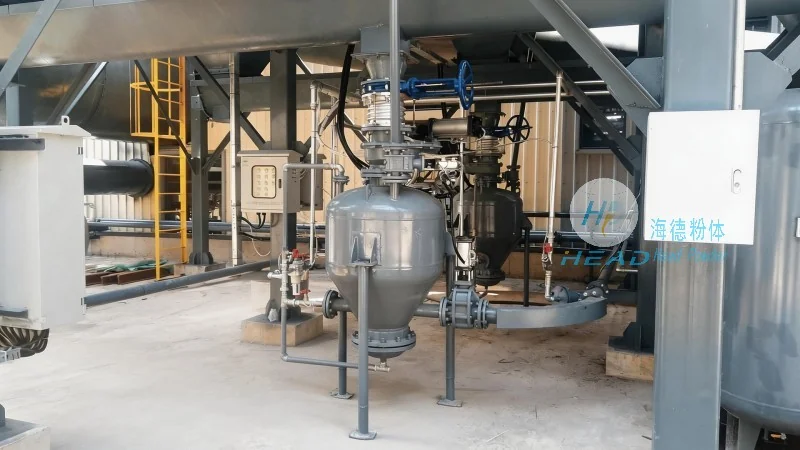
High-temperature ash material conveying systems are engineered to handle materials with temperatures ranging from 200°C to over 800°C, depending on the specific application. These systems are typically used in coal-fired power plants, where the combustion of coal produces fly ash and bottom ash, which need to be transported to storage or processing facilities. The design of these systems must account for the high temperatures, abrasive nature of the ash, and the need for minimal material loss and energy consumption.
The core components of a high-temperature ash conveying system include feed hoppers, conveyor belts or screw conveyors, temperature control mechanisms, and discharge systems. Feed hoppers are used to collect the ash from the boiler or other combustion units, ensuring a consistent flow of material into the conveyor. Conveyor belts, often made of heat-resistant materials like rubber or special alloys, transport the ash through the system. Screw conveyors are another common option, especially for vertical or inclined transport, as they can handle high temperatures and abrasive materials effectively. Temperature control is crucial, as excessive heat can damage components and reduce system lifespan. This is typically achieved through insulation, cooling jackets, or water spray systems. Discharge systems ensure the ash is delivered to the intended destination, such as a storage silo or processing plant.
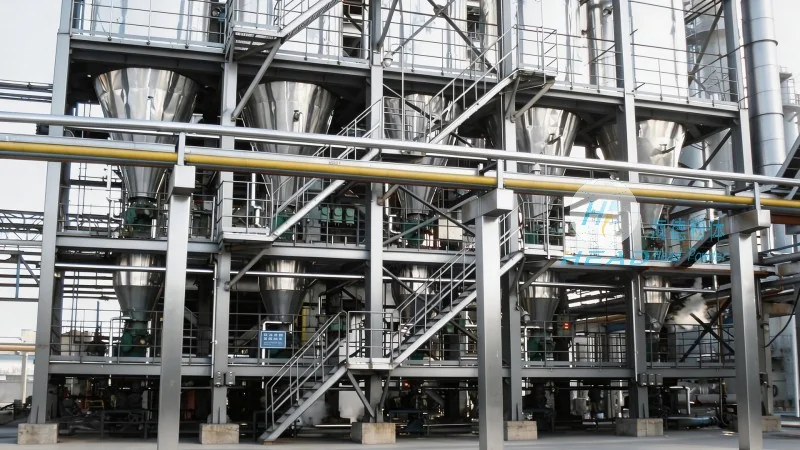
The operation process of a high-temperature ash conveying system involves several sequential steps. First, the ash is collected from the combustion unit and fed into the feed hopper. The hopper ensures a steady supply of material, preventing blockages and maintaining consistent flow rates. Next, the conveyor system transports the ash from the hopper to the discharge point. During this phase, the system must maintain the temperature of the ash to prevent cooling or agglomeration, which can affect downstream processing. Temperature sensors and control systems monitor the temperature at various points in the system, adjusting cooling mechanisms as needed. The conveyor system operates continuously, ensuring a smooth and uninterrupted flow of ash. Finally, the ash is discharged into the storage or processing facility, completing the transport cycle.
The working principles of high-temperature ash conveying systems are based on mechanical transport and temperature management. The primary principle is the use of conveyor mechanisms to move the ash from the source to the destination. Conveyor belts or screws apply a constant force to the material, ensuring it moves along the designated path. Temperature management is another critical principle, as the high temperatures of the ash can cause thermal stress on components. Insulation and cooling systems are integrated into the design to maintain optimal temperatures, preventing damage and ensuring long-term reliability. The system also relies on material handling principles, such as gravity and friction, to control the flow of ash. Proper alignment and tensioning of conveyor components are essential to prevent slippage or breakage, which could lead to system failure.
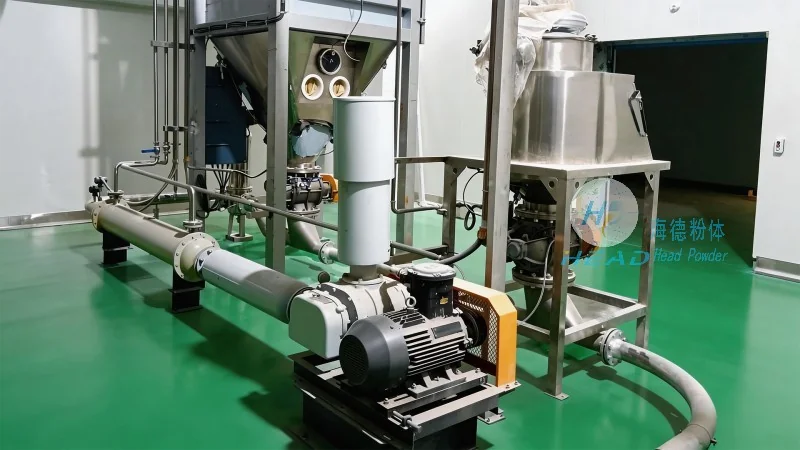
Proper design and regular maintenance are crucial for the efficient operation of high-temperature ash conveying systems. The design must consider factors such as the ash's temperature, composition, and flow rate, ensuring that all components are suitable for the application. Regular maintenance, including inspections of conveyor belts, temperature control systems, and feed hoppers, is necessary to identify and address issues before they become major problems. This includes checking for wear and tear, ensuring proper lubrication, and replacing damaged components. By adhering to proper design and maintenance practices, facilities can maximize the lifespan of their conveying systems, minimize downtime, and ensure consistent performance.
Shandong HeadPowder Engineering Co., Ltd., operating under the brand name headpowder, is a leading manufacturer of high-temperature ash conveying systems and related industrial equipment. With a focus on innovation and quality, the company provides comprehensive solutions for ash handling in power plants and other industrial facilities. HeadPowder's expertise lies in designing and manufacturing systems that meet the specific needs of clients, ensuring reliable and efficient operation. The company's products are known for their durability, energy efficiency, and compliance with industry standards. HeadPowder serves clients in China and internationally, delivering high-quality equipment that enhances operational efficiency and environmental performance.

 Shandong Headpowder Engineering Co., Ltd.
 156-6277-7102(Manager Zhang)
  0531-83386006
  Zhangqiu District, Jinan City, Shandong Province, China
telephone
WeChatconsult
top