With more than 10‑year industry experience, Shandong Headpowder delivers full‑service pneumatic‑conveying systems and blowers, undertaking nationwide turn‑key powder‑handling projects.
Wool material conveying systems are essential components in the textile and processing industries, designed to efficiently transport wool and related raw materials from one processing stage to another. Understanding the operation process and working principle of these systems is crucial for optimizing workflow, enhancing productivity, and ensuring consistent material handling. This article provides a detailed overview of the key aspects involved in wool material conveying, including the operational workflow, technical mechanisms, and practical applications.
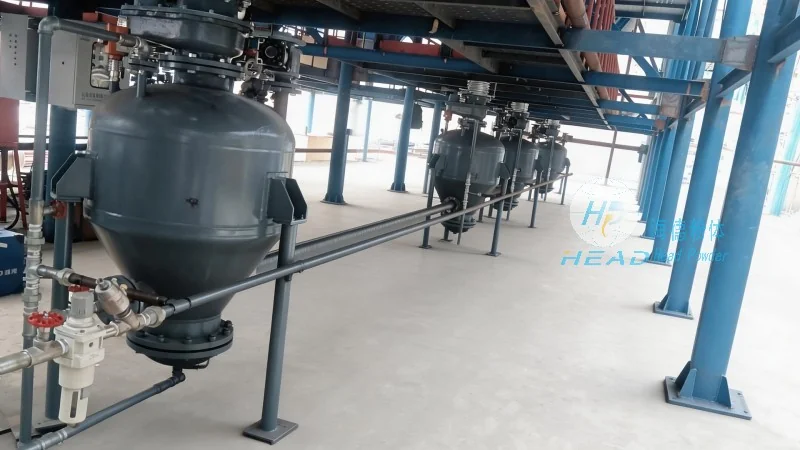
Wool material conveying systems are engineered to handle the unique characteristics of wool, such as its fibrous texture, varying density, and susceptibility to static. These systems are typically integrated into larger textile processing lines, working in conjunction with other equipment like feeders, cleaners, and sorting machines. The primary goal is to move wool efficiently while maintaining material integrity and minimizing loss or contamination. Companies like Shandong HeadPowder Engineering Co., Ltd., based in China, specialize in designing and manufacturing such systems tailored to the specific needs of wool processing facilities.
Wool material conveying systems consist of several critical components that work together to ensure smooth operation. These include feed mechanisms, conveyor belts or chutes, control systems, and material handling accessories. The feed mechanism is responsible for introducing wool into the system, often using gravity or mechanical feeders to ensure a consistent flow. Conveyor belts or chutes are designed to transport the wool along the intended path, with materials like stainless steel or specialized fabrics used to prevent material buildup and ensure durability. Control systems, typically integrated with sensors and automation technology, monitor the flow rate, detect blockages, and adjust operational parameters as needed. Material handling accessories, such as brushes, rollers, and separators, help maintain material quality and prevent damage during transport.
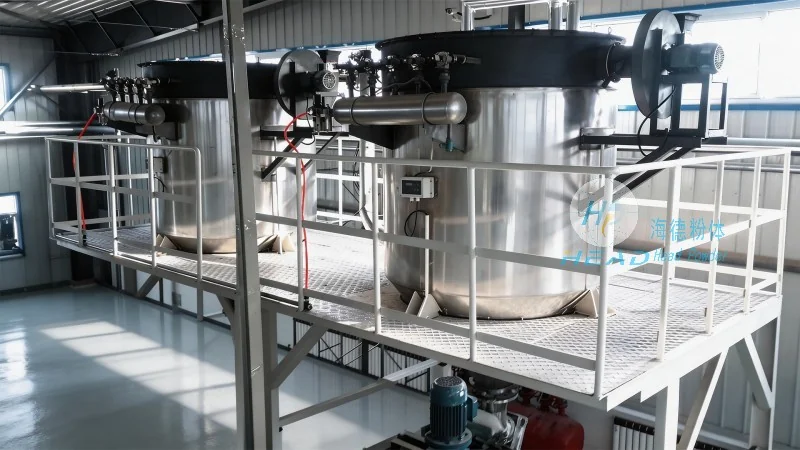
The operation process of wool material conveying involves several sequential steps that ensure the efficient movement of wool from the initial feeding stage to the final processing stage. The first step is material intake, where wool is fed into the system using a hopper or feeder. The material is then transferred to the primary conveyor, which transports it along the designated path. As the wool moves, it may pass through intermediate processing stages, such as cleaning or sorting, before reaching the final conveyor or storage area. The system continuously monitors the flow and adjusts parameters to maintain optimal performance. For example, in a typical wool processing line, the conveying system might transport wool from a bale storage area to a carding machine, ensuring a steady supply of material for subsequent processing steps.
The working principle of wool material conveying systems is based on mechanical energy and controlled movement to transport materials. The core mechanism involves using gravity or mechanical force to move wool along a defined path. Conveyor belts, for instance, use friction and tension to move the material, while chutes rely on gravity to direct the flow. Control systems play a vital role in regulating the speed and direction of the conveyor, ensuring that the material moves at the appropriate rate for the processing requirements. Sensors are integrated to detect changes in material flow, such as blockages or variations in density, and trigger adjustments to maintain system efficiency. The overall principle is to create a continuous, controlled flow of wool that minimizes downtime and maximizes throughput. This approach ensures that the wool is handled gently, preserving its quality and reducing the risk of damage or contamination.
Several technical considerations are essential for optimizing wool material conveying systems. Material compatibility is a key factor, as the conveying components must be resistant to wool's fibrous nature and potential static buildup. Stainless steel and specialized fabrics are commonly used for conveyor belts and chutes to prevent material adhesion and ensure easy cleaning. Maintenance is another critical aspect, as regular inspection and cleaning are necessary to prevent blockages and maintain system performance. Automation and sensor integration are also important for real-time monitoring and adjustment, ensuring that the system operates efficiently and reliably. Companies like Shandong HeadPowder Engineering Co., Ltd. employ advanced engineering techniques to design systems that address these technical considerations, providing solutions tailored to the specific needs of wool processing facilities.
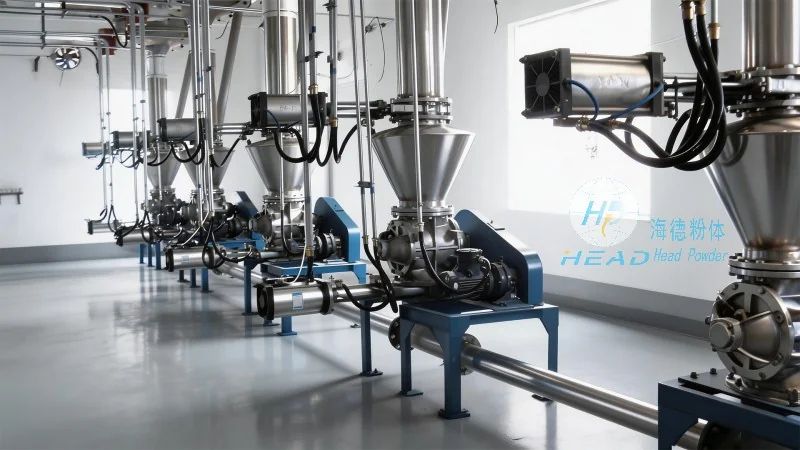
Wool material conveying systems are widely used in various stages of wool processing, from raw material handling to final product preparation. In bale handling, these systems efficiently transport wool bales from storage to processing areas, reducing manual labor and improving safety. During cleaning and sorting, the conveying system ensures a consistent flow of material to the next processing stage, enhancing the quality of the final product. The benefits of these systems include increased productivity, reduced material loss, and improved material quality. By maintaining a controlled flow of wool, the systems help minimize downtime and ensure that processing equipment operates at optimal efficiency. The integration of advanced technology, such as sensors and automation, further enhances the effectiveness of wool material conveying, providing real-time data and insights for process optimization.
In conclusion, wool material conveying systems are critical components in the wool processing industry, designed to efficiently transport wool and related materials while maintaining material integrity. The operation process involves sequential steps from material intake to final processing, supported by key components like feed mechanisms, conveyors, and control systems. The working principle relies on mechanical energy and controlled movement to ensure a continuous, controlled flow of wool. Technical considerations, such as material compatibility and maintenance, are essential for optimizing system performance. Companies like Shandong HeadPowder Engineering Co., Ltd. play a vital role in designing and manufacturing these systems, providing tailored solutions to meet the specific needs of wool processing facilities. By understanding the operation process and working principle of wool material conveying, textile processing facilities can enhance productivity, reduce costs, and improve the overall quality of their products.

 Shandong Headpowder Engineering Co., Ltd.
 156-6277-7102(Manager Zhang)
  0531-83386006
  Zhangqiu District, Jinan City, Shandong Province, China
telephone
WeChatconsult
top