

Operation Process and Working Principle of Wool Powder Conveying Machine
Wool powder conveying machines are specialized equipment designed for the efficient handling and transportation of wool powder in industrial settings. As a key component in the textile and processing industries, these machines play a crucial role in ensuring smooth material flow and maintaining product quality. The operation process and working principle of such machines involve several critical steps and mechanisms that work in tandem to achieve optimal performance.
Key Components of Wool Powder Conveying Systems
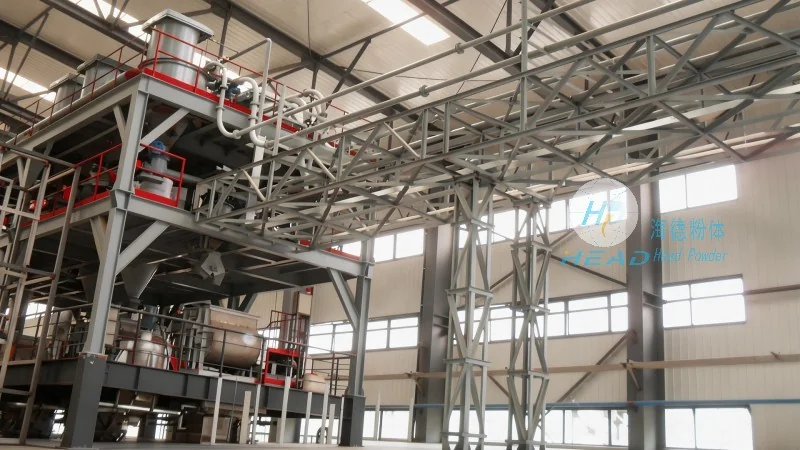
Before delving into the operation process, it is essential to understand the primary components that make up a typical wool powder conveying machine. These components include the hopper, conveyor mechanism (such as screw or pneumatic systems), control panel, and discharge outlet. The hopper is responsible for storing the wool powder, while the conveyor mechanism transports the material from the storage area to the processing or packaging stage. The control panel allows operators to adjust parameters like speed and pressure, ensuring precise control over the conveying process. The discharge outlet then releases the wool powder to the next stage of production.
The Working Principle of Wool Powder Conveying Machines
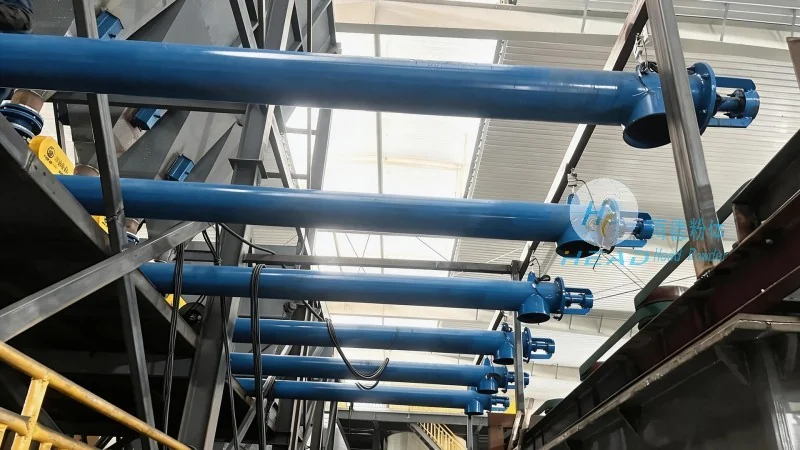
The working principle of wool powder conveying machines is based on the principles of fluidization and air movement. Wool powder, being a fine particulate material, can be conveyed effectively using air or a combination of air and mechanical force. The machine operates by drawing air into the system, which then lifts and transports the wool powder particles through the conveyor. This process is often referred to as pneumatic conveying. The air flow is controlled to maintain a consistent velocity, preventing particle segregation and ensuring uniform distribution of the material. Additionally, some systems incorporate mechanical components like screws or augers to supplement the air flow, providing a more reliable and efficient conveying method, especially for materials with higher moisture content or larger particle sizes.
Step-by-Step Operation Process of Wool Powder Conveying Machines
The operation process of a wool powder conveying machine typically involves the following sequential steps:
1. Material Loading: The wool powder is loaded into the hopper from a storage container or raw material source. The hopper is designed to accommodate a large volume of material, ensuring a continuous supply to the conveyor system.
2. Air Intake and Compression: The control panel activates the air compressor, which draws air from the environment and compresses it to a specific pressure. This compressed air is then directed into the conveying line.
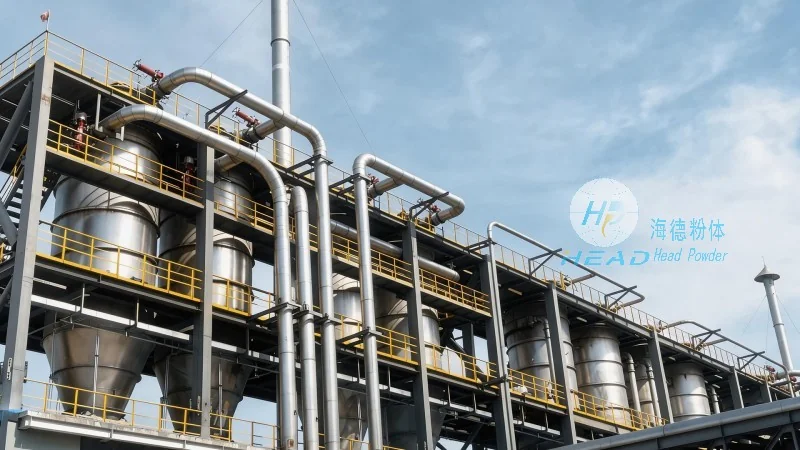
3. Powder Suspension and Transport: As the compressed air enters the hopper, it lifts the wool powder particles, creating a suspension of material in the air. The air flow then carries the suspended powder through the conveyor pipes to the discharge point.
4. Controlled Discharge: At the discharge outlet, the air flow is regulated to ensure the wool powder is released at a controlled rate. This prevents overloading the next processing stage and maintains consistent material flow.
5. System Monitoring and Adjustment: Operators monitor the system through the control panel, adjusting parameters like air pressure and conveyor speed as needed to optimize performance and prevent issues such as blockages or material degradation.
Advantages of Wool Powder Conveying Machines
Wool powder conveying machines offer several advantages in industrial applications. Firstly, they provide a dust-free and hygienic method of material handling, which is crucial for maintaining product quality and compliance with industry standards. Secondly, these machines can handle large volumes of material efficiently, reducing labor costs and improving production throughput. Additionally, the pneumatic conveying system minimizes material degradation by reducing friction and impact during transport. This is particularly important for delicate materials like wool, which can be easily damaged by mechanical stress. Finally, the modular design of these machines allows for easy integration into existing production lines, making them a versatile solution for various industrial needs.
Applications and Industries Using Wool Powder Conveying Machines
Wool powder conveying machines are widely used in several industries that process wool and other fine particulate materials. The primary applications include textile manufacturing, where wool powder is used in the production of yarn and fabrics. Other industries include pharmaceuticals, where wool powder is used as a raw material in the manufacturing of certain drugs, and cosmetics, where it is used in the formulation of skincare products. In each of these industries, the efficient handling of wool powder is critical to maintaining product consistency and meeting quality standards.
Maintenance and Troubleshooting for Wool Powder Conveying Machines
Proper maintenance is essential to ensure the long-term performance and reliability of wool powder conveying machines. Regular maintenance tasks include cleaning the hopper and conveyor lines to prevent material buildup, checking the air compressor for proper operation, and inspecting the seals and valves for leaks. Troubleshooting common issues such as blockages or reduced conveying efficiency involves checking the air pressure, ensuring the hopper is properly loaded, and verifying that the control panel settings are correct. By following a regular maintenance schedule and addressing issues promptly, operators can minimize downtime and maximize the lifespan of the equipment.
Conclusion
In conclusion, wool powder conveying machines are essential equipment for the efficient and reliable handling of wool powder in industrial settings. The operation process, which involves material loading, air compression, suspension and transport, controlled discharge, and system monitoring, ensures that the material is conveyed safely and effectively. The working principle, based on pneumatic conveying and mechanical assistance, provides a versatile solution for various material handling needs. With their advantages in dust control, efficiency, and material protection, these machines are a valuable asset for industries that rely on wool powder in their production processes. By understanding the components, operation, and maintenance of these machines, operators can optimize their performance and ensure consistent product quality.