With more than 10‑year industry experience, Shandong Headpowder delivers full‑service pneumatic‑conveying systems and blowers, undertaking nationwide turn‑key powder‑handling projects.
Understanding the operation process and working principle of a coal ash powder conveying system is crucial for optimizing industrial efficiency and ensuring safe material handling in power generation and related sectors. This article provides a detailed overview of the system's functionality, highlighting key components, operational steps, and the underlying principles that enable effective coal ash transportation.
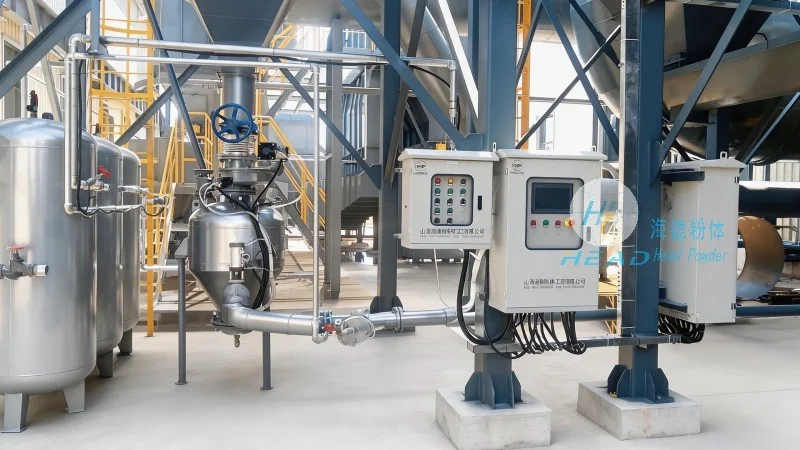
Coal ash, a byproduct of coal combustion in thermal power plants, poses significant challenges for transportation due to its fine particle size, abrasive nature, and potential environmental impact. Conventional methods like trucks or conveyors often face issues such as dust emission, material blockage, and operational inefficiencies. To address these challenges, specialized coal ash powder conveying systems have been developed, offering a reliable and efficient solution for handling this hazardous material.
The coal ash powder conveying system typically consists of several interconnected components that work in tandem to ensure smooth material transport. These include feed hoppers, screw conveyors or pneumatic ducts, dust collection systems, and control panels. Each component plays a vital role in the overall operation, contributing to the system's effectiveness and safety.
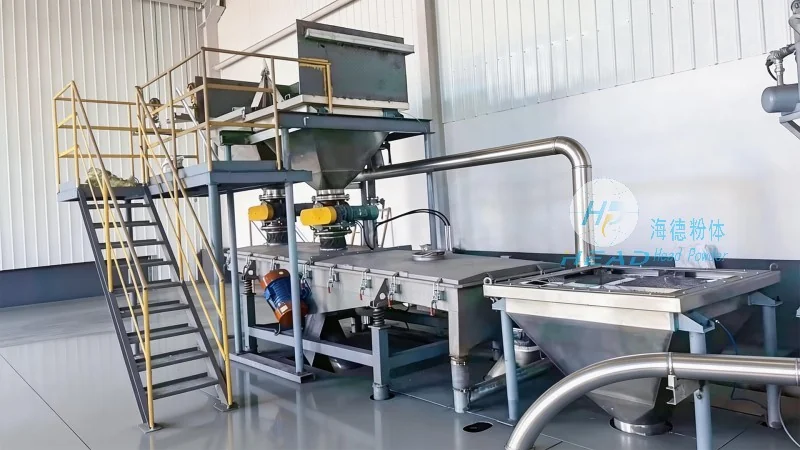
The operation of the coal ash powder conveying system follows a systematic process designed to handle coal ash from its source to the disposal or utilization site. The process begins with the collection of ash from the boiler's bottom ash hopper or electrostatic precipitator (ESP) hoppers. The ash is then fed into the system's hopper, where it is prepared for transport. Next, the material is conveyed through the system using either mechanical or pneumatic methods. Mechanical conveyors, such as screw or belt conveyors, are commonly used for short to medium distances, while pneumatic systems, including positive pressure or negative pressure ducts, are ideal for longer distances or when dealing with fine powders.
During the conveying process, the system incorporates dust suppression measures to minimize environmental contamination. This may involve using water sprays or electrostatic precipitators to capture and collect dust particles, ensuring compliance with environmental regulations. The conveyed ash is then directed to the final destination, such as a storage silo or a disposal site, where it can be further processed or utilized as a building material.
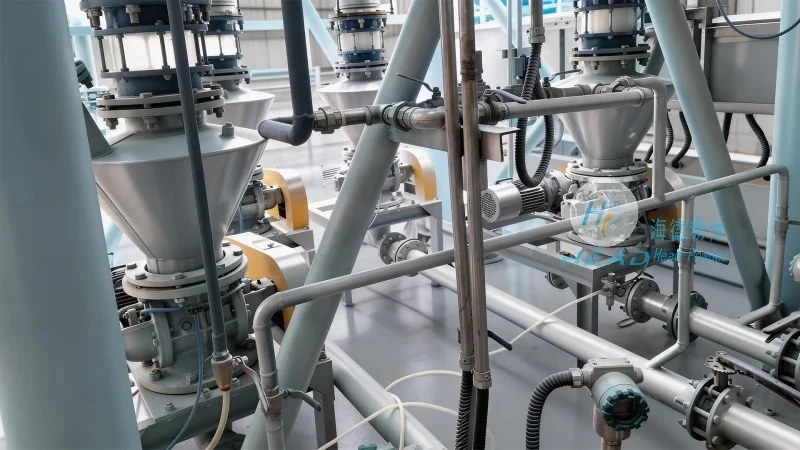
The working principle of the coal ash powder conveying system varies depending on the chosen technology. Mechanical systems rely on the physical movement of the ash through rotating screws or moving belts, which exert pressure and friction to transport the material. This method is effective for handling bulk materials but may require regular maintenance to prevent wear and tear from the abrasive ash particles.
Pneumatic systems, on the other hand, utilize air pressure to move the ash through a network of ducts. Positive pressure systems force air and ash through the ducts, while negative pressure systems create a vacuum to draw the ash into the system. Both methods are capable of handling fine powders and can be adapted to various distances and layouts. The choice between mechanical and pneumatic systems depends on factors such as the distance to be covered, the ash particle size, and the required flow rate.
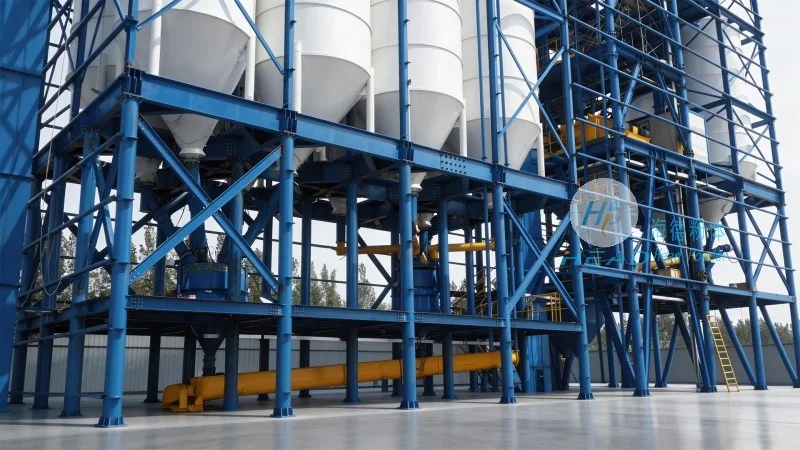
The coal ash powder conveying system offers numerous benefits, including improved safety by reducing manual handling of hazardous materials, enhanced environmental protection through effective dust control, and increased operational efficiency by minimizing downtime and material loss. These systems are widely used in thermal power plants, cement factories, and other industrial facilities that generate large quantities of coal ash. By optimizing the transportation process, these systems contribute to the overall sustainability and profitability of the operations.
In conclusion, the coal ash powder conveying system is a sophisticated and essential component in modern industrial operations, particularly in power generation and related sectors. Its operation process, which involves careful material handling and advanced technology, ensures the safe and efficient transport of coal ash. By understanding the working principles and benefits of this system, industries can make informed decisions to enhance their operational performance and comply with environmental standards. As a leading provider in this field, Shandong HeadPowder Engineering Co., Ltd. specializes in designing and manufacturing high-quality coal ash conveying systems tailored to meet the specific needs of clients, ensuring reliable and sustainable material handling solutions.

 Shandong Headpowder Engineering Co., Ltd.
 156-6277-7102(Manager Zhang)
  0531-83386006
  Zhangqiu District, Jinan City, Shandong Province, China
telephone
WeChatconsult
top