With more than 10‑year industry experience, Shandong Headpowder delivers full‑service pneumatic‑conveying systems and blowers, undertaking nationwide turn‑key powder‑handling projects.
HeadPowder, a leading provider in the field of powder handling technology, specializes in the design, manufacturing, and implementation of efficient conveying systems for crystalline powders. Based in Shandong, China, the company leverages advanced engineering solutions to address the unique challenges associated with transporting fine, crystalline materials. This article delves into the operational process and underlying working principles of their crystalline powder conveying systems, offering insights into how these systems ensure reliable, low-downtime performance in industrial applications.
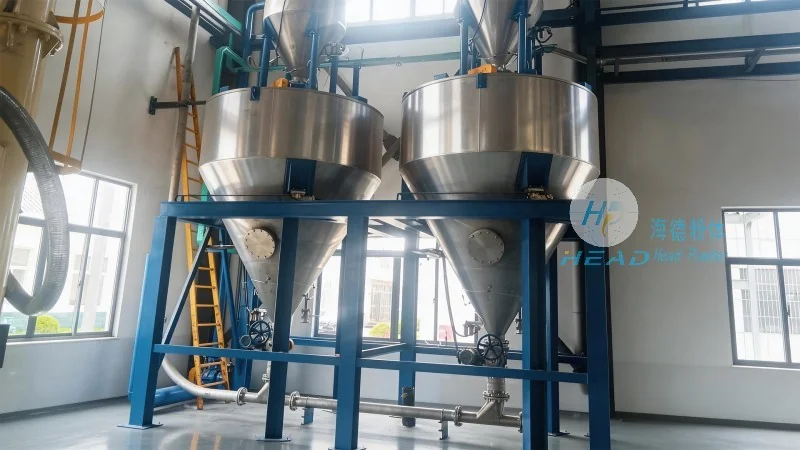
Shandong HeadPowder Engineering Co., Ltd., operating under the brand name HeadPowder, is dedicated to delivering high-quality powder handling solutions. With a focus on innovation and precision, the company has established itself as a trusted partner for industries requiring robust and efficient material transport. HeadPowder’s expertise lies in understanding the physical properties of crystalline powders—such as particle size, density, and flow characteristics—and tailoring conveying systems to meet these specific requirements. The company’s team of engineers and technicians collaborates closely with clients to develop customized solutions that optimize process efficiency and minimize operational risks.
The operation of a crystalline powder conveying system involves a series of coordinated steps designed to ensure the safe and efficient movement of material from the source to the destination. The process typically begins with the material being fed into the system, often via a hopper or feeder that controls the flow rate. This initial stage is critical for preventing overloading or underfeeding, which can lead to system inefficiencies or equipment damage. Once the material is introduced, it moves through a series of components, including conveyors, pumps, or pneumatic lines, depending on the system design. The conveying mechanism may involve mechanical action, such as screw conveyors or belt systems, or pneumatic pressure to transport the powder. Each component is engineered to handle the specific characteristics of the crystalline powder, ensuring minimal degradation or segregation of the material.
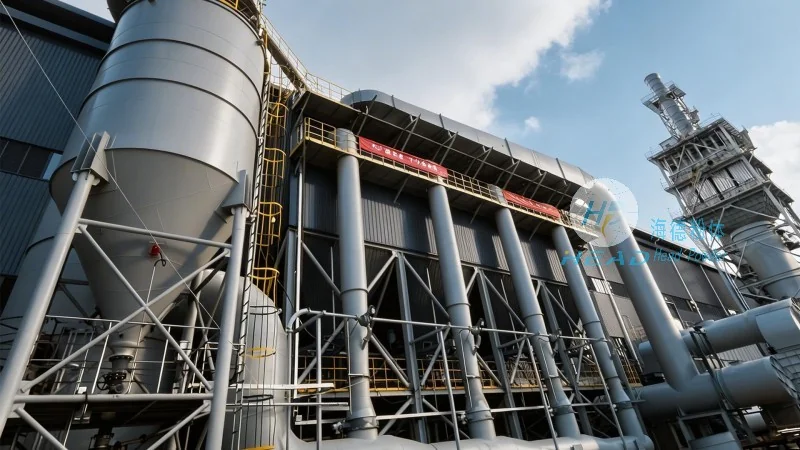
The core working principles of a crystalline powder conveying system revolve around the interaction between the material, the conveying equipment, and the control mechanisms. One of the primary principles is the maintenance of consistent flow rates, which is achieved through precise control of the feeding mechanism and the speed of the conveyor. This consistency is vital for maintaining the integrity of the crystalline particles, as excessive agitation or pressure can cause breakage or agglomeration. Another key principle is the prevention of material buildup or blockages, which is managed through features like self-cleaning mechanisms, anti-static coatings, and regular maintenance protocols. The system also incorporates sensors and monitoring tools to detect any deviations in flow or pressure, allowing for immediate adjustments to maintain optimal performance. By integrating these principles, the conveying system ensures that the crystalline powder is transported efficiently while preserving its quality and properties.
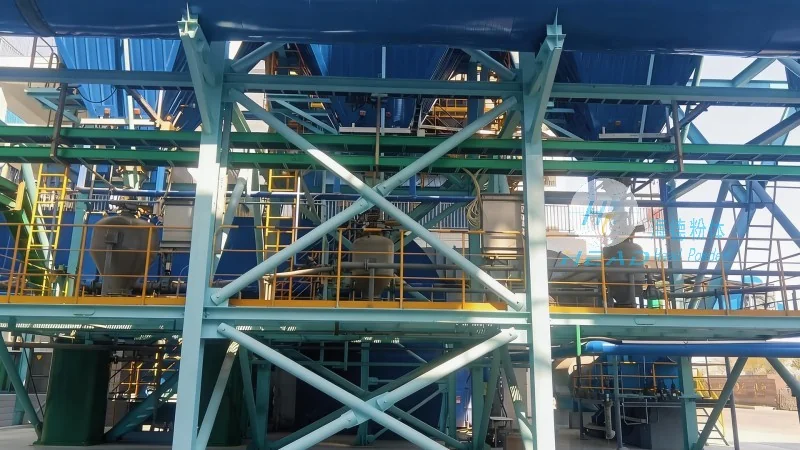
Several key components work in tandem to enable the smooth operation of a crystalline powder conveying system. The hopper or feeder is the first component, responsible for storing and controlling the feed rate of the powder. It is typically designed with a sloped bottom to facilitate uniform material flow and prevent bridging or rat-holing. The conveyor itself, whether a screw, belt, or pneumatic line, is the primary mechanism for moving the material. Screw conveyors, for example, use rotating screws to push the powder forward, while pneumatic systems use compressed air to create a flow of material through pipes. The system may also include a pump or blower to generate the necessary pressure for pneumatic conveying. Additionally, components like check valves, filters, and pressure regulators are integrated to ensure the system operates safely and efficiently. These components are carefully selected based on the characteristics of the crystalline powder, such as its particle size and moisture content, to maximize performance and minimize wear and tear.
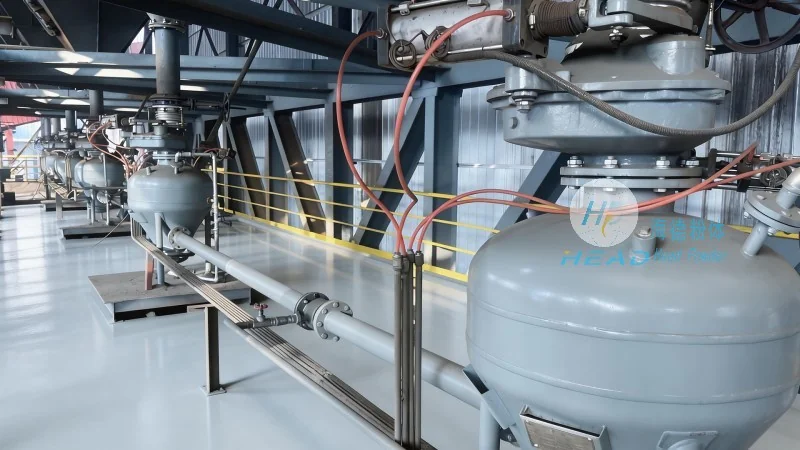
Crystalline powder conveying systems offer several advantages that make them ideal for a wide range of industrial applications. These systems are designed to handle fine, abrasive materials without causing excessive wear on equipment, which extends the lifespan of the machinery. The consistent flow rates and controlled environment reduce the risk of material degradation, ensuring that the product remains in its original state. Additionally, the systems are often equipped with features that enhance safety, such as dust suppression and explosion-proof designs, making them suitable for hazardous environments. Industries that benefit from these systems include pharmaceuticals, food processing, chemical manufacturing, and mining, where the transport of crystalline powders is a critical step in the production process. By leveraging the expertise of companies like HeadPowder, industries can improve their operational efficiency and product quality through reliable powder handling solutions.
In conclusion, the operation of a crystalline powder conveying system is a complex yet essential process that relies on a combination of engineering principles and precise control mechanisms. HeadPowder’s systems are designed to address the unique challenges of transporting crystalline powders, ensuring that material is moved efficiently while maintaining its quality. The company’s commitment to innovation and customer collaboration has positioned it as a leader in the powder handling industry. As technology advances, future developments may include more automated and intelligent systems, further enhancing the efficiency and reliability of crystalline powder conveying. However, the fundamental principles of consistent flow, material protection, and safety will remain central to the design and operation of these systems, ensuring their continued relevance in industrial applications.

 Shandong Headpowder Engineering Co., Ltd.
 156-6277-7102(Manager Zhang)
  0531-83386006
  Zhangqiu District, Jinan City, Shandong Province, China
telephone
WeChatconsult
top