With more than 10‑year industry experience, Shandong Headpowder delivers full‑service pneumatic‑conveying systems and blowers, undertaking nationwide turn‑key powder‑handling projects.
Efficient and reliable powder conveying systems are crucial in industrial applications, particularly for materials like gypsum and fly ash. The process of transporting these fine powders requires specialized equipment and understanding of the underlying principles to ensure optimal performance and safety. This article explores the operation process and working principle of gypsum fly ash powder conveying, highlighting key components, operational steps, and the technical aspects that contribute to successful material handling.
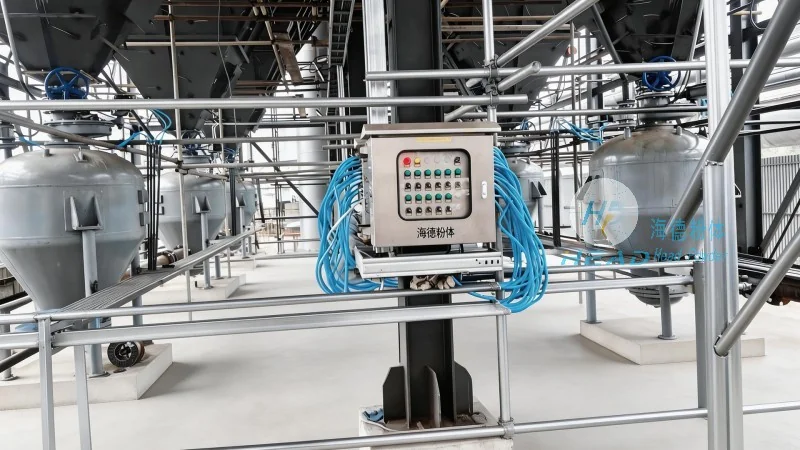
The effective conveyance of gypsum and fly ash powders relies on a combination of components designed to handle the unique properties of these materials. These components include feed hoppers, rotary valves, pneumatic conveying lines, and dust collection systems. Each component plays a vital role in the overall system, ensuring that the powders are transported smoothly from the source to the destination without clogging or degradation.
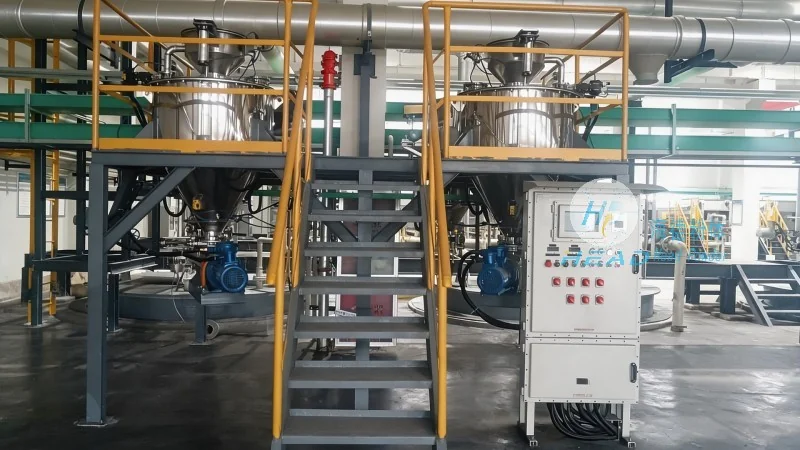
The operation process of gypsum fly ash powder conveying typically involves several sequential steps. First, the raw gypsum and fly ash materials are stored in bulk storage silos or hoppers. From there, the material is fed into a rotary valve, which acts as a controlled discharge device, regulating the flow rate of the powder into the conveying line. The rotary valve ensures a consistent and controlled feed, preventing overloading or underfeeding that could lead to system inefficiencies. Next, the material is introduced into the pneumatic conveying line, where it is transported using compressed air or other gas streams. The conveying line may include components such as elbows, straight sections, and filters to maintain the flow and prevent particle accumulation. Finally, the conveyed material is discharged into a receiving hopper or storage silo at the destination. Throughout this process, monitoring systems track pressure, flow rate, and other parameters to ensure the system operates within optimal conditions.
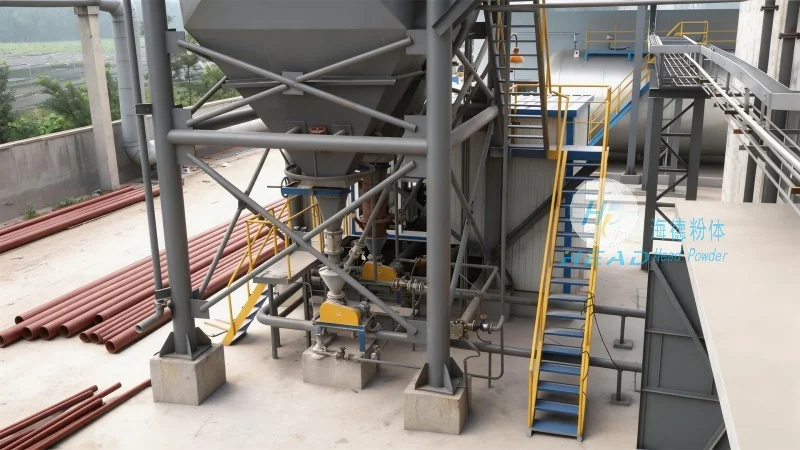
The working principle of gypsum fly ash powder conveying is based on pneumatic transport technology, which utilizes the movement of a gas (usually air) to move solid particles. The process involves creating a pressure differential between the inlet and outlet of the conveying line. As compressed air is introduced into the system, it creates a low-pressure zone that draws the powder particles into the line. The air and powder mixture travels through the conveying line, with the air providing the necessary force to overcome the gravitational and frictional forces acting on the particles. The velocity of the air is critical; it must be sufficient to keep the particles suspended and prevent settling or clogging. The design of the conveying line, including the size of the pipes and the angle of the bends, is optimized to maintain the proper air-particle ratio and flow velocity. Additionally, dust collection systems are integrated to capture any fine particles that may escape during the conveying process, ensuring environmental compliance and product quality.
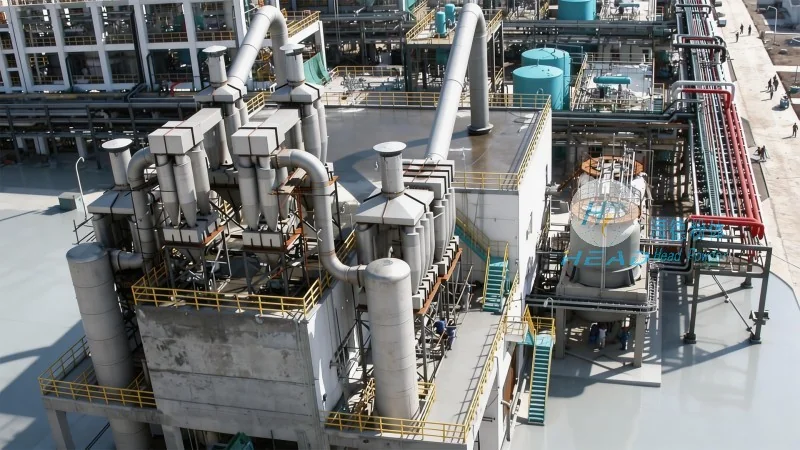
Shandong HeadPowder Engineering Co., Ltd., operating under the brand name headpowder, is a leading provider of specialized engineering solutions for powder handling and conveying systems. With a focus on industrial applications involving gypsum, fly ash, and other fine powders, the company designs, manufactures, and supplies advanced conveying equipment tailored to meet the unique demands of various industries. Headpowder's expertise lies in understanding the material properties and operational requirements of each application, enabling the development of customized solutions that enhance efficiency, reduce downtime, and ensure compliance with industry standards. The company's commitment to quality and innovation has established it as a trusted partner in the field of powder processing and material transport.

 Shandong Headpowder Engineering Co., Ltd.
 156-6277-7102(Manager Zhang)
  0531-83386006
  Zhangqiu District, Jinan City, Shandong Province, China
telephone
WeChatconsult
top