With more than 10‑year industry experience, Shandong Headpowder delivers full‑service pneumatic‑conveying systems and blowers, undertaking nationwide turn‑key powder‑handling projects.
Resin pneumatic conveying systems are critical components in industrial processing, designed to efficiently transport resin materials from one location to another using air pressure. The equipment, manufactured by Shandong HeadPowder Engineering Co., Ltd., a leading company in the field, combines advanced engineering with robust construction to ensure reliable operation in various industrial applications. This system is widely used in sectors such as chemical manufacturing, pharmaceuticals, and plastics processing, where precise and consistent material handling is essential.
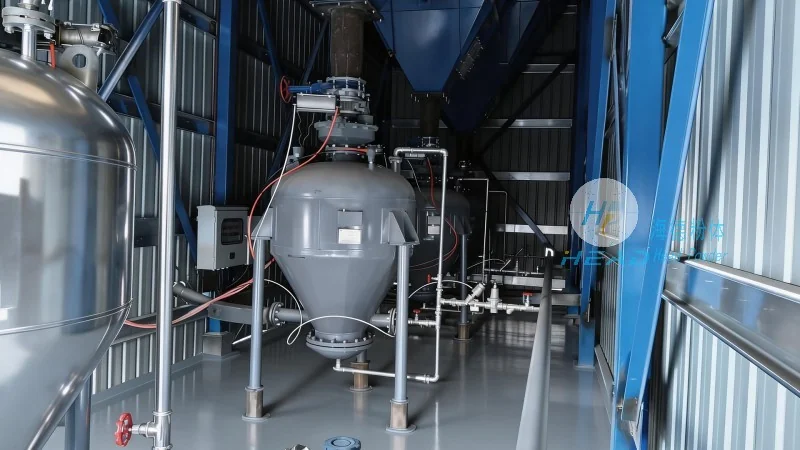
The resin pneumatic conveying system consists of several key components that work in tandem to facilitate material transport. The primary components include the hopper, which holds the resin material; the air compressor or blower, which generates the necessary air pressure; the conveying line, which transports the material through the system; and the receiver, where the material is deposited. Each component is designed to withstand the specific demands of resin handling, ensuring durability and efficiency. The hopper is typically equipped with a feeding mechanism to control the flow of resin, while the air compressor provides the consistent pressure required for effective conveying. The conveying line may include bends, filters, and other accessories to manage the material's trajectory and prevent blockages. The receiver is designed to safely collect the resin, often with a discharge valve to regulate the output.
The working principle of the resin pneumatic conveying system is based on the use of compressed air to move resin particles through a pipeline. When the system is activated, the air compressor generates high-pressure air, which is introduced into the hopper. The air creates a low-pressure zone within the hopper, causing the resin to be drawn into the conveying line. As the air and resin mixture travels through the pipeline, the air maintains the material in suspension, preventing it from settling or clogging the system. The velocity of the air is carefully controlled to ensure that the resin particles remain suspended without being damaged. The system may use different conveying modes, such as dilute phase or dense phase, depending on the material properties and application requirements. In dilute phase conveying, the resin is transported as a fine mist, while in dense phase conveying, the material is moved in a more concentrated form, which is suitable for longer distances or more sensitive materials.
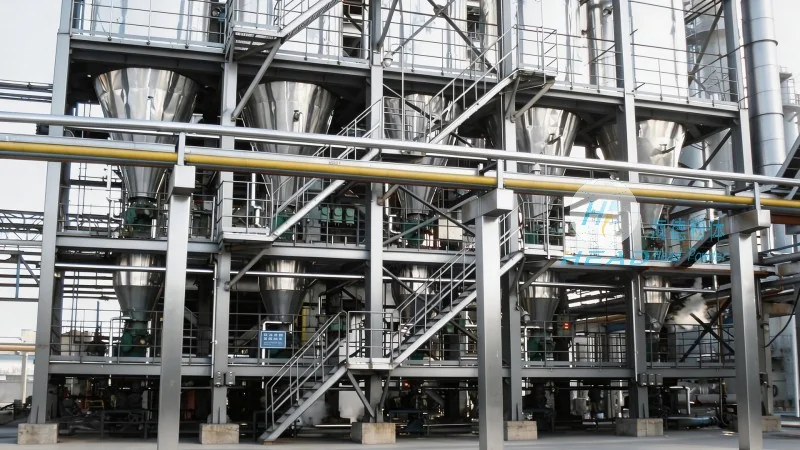
The operation process of the resin pneumatic conveying system involves several steps to ensure smooth and efficient material transport. First, the resin is loaded into the hopper, and the feeding mechanism is adjusted to control the flow rate. Next, the air compressor is started, and the system is pressurized to the required level. The air is then introduced into the hopper, creating the necessary pressure differential to draw the resin into the conveying line. As the resin moves through the system, it is transported to the receiver, where it is deposited. The system may include sensors and controls to monitor the pressure, flow rate, and material level, ensuring that the operation remains stable and efficient. The process is typically automated, with the system running continuously or on a scheduled basis, depending on the production requirements. The operation is designed to minimize downtime and maximize productivity, making it an essential part of industrial material handling operations.
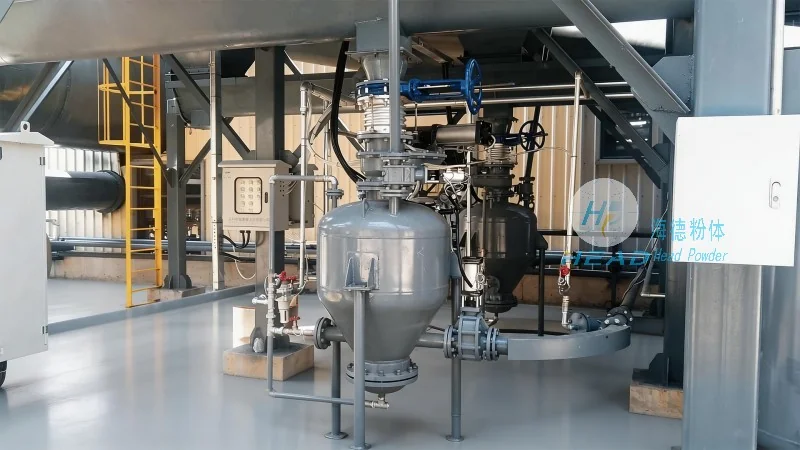
Resin pneumatic conveying systems offer several advantages over traditional material handling methods. One of the key benefits is the ability to transport resin in a closed system, which helps to prevent contamination and dust emissions. This is particularly important in industries where resin purity is critical, such as pharmaceuticals or food processing. The system also allows for flexible and versatile material handling, as it can be easily reconfigured to handle different types of resin or to transport materials over varying distances. Additionally, the system is compact and can be integrated into existing industrial setups, reducing the need for additional space or infrastructure. The use of compressed air also provides a clean and energy-efficient method of material transport, as it eliminates the need for mechanical components that may wear out or require frequent maintenance. Overall, the resin pneumatic conveying system is a reliable and efficient solution for resin handling, offering significant benefits in terms of performance, safety, and cost-effectiveness.
Resin pneumatic conveying systems are used in a wide range of applications across various industries. In the chemical industry, they are used to transport resin powders and granules between processing units, such as reactors and storage tanks. In the pharmaceutical industry, the system is used to handle sensitive resin materials, ensuring that they are transported without contamination or degradation. The system is also used in the plastics industry to transport resin from storage to processing equipment, such as extruders or injection molding machines. Additionally, the system is used in food processing and other industries where material purity is essential. The versatility of the resin pneumatic conveying system makes it suitable for a variety of applications, from small-scale operations to large-scale industrial plants. The system can be customized to meet the specific requirements of each application, ensuring optimal performance and efficiency.

 Shandong Headpowder Engineering Co., Ltd.
 156-6277-7102(Manager Zhang)
  0531-83386006
  Zhangqiu District, Jinan City, Shandong Province, China
telephone
WeChatconsult
top