

Operation Process and Working Principle of Intermittent Inflated Tank Pneumatic Conveying System Equ
The intermittent inflated tank pneumatic conveying system is a specialized equipment designed for efficient material handling in various industrial applications. This system, developed by Shandong HeadPowder Engineering Co., Ltd., a leading manufacturer based in China, utilizes a unique method of transporting bulk materials through a pressurized air system. The core of this technology lies in the intermittent inflation of a tank, which allows for controlled and energy-efficient material movement. Understanding the operation process and working principle is crucial for optimizing its performance in different industrial settings.
Key Components of the System
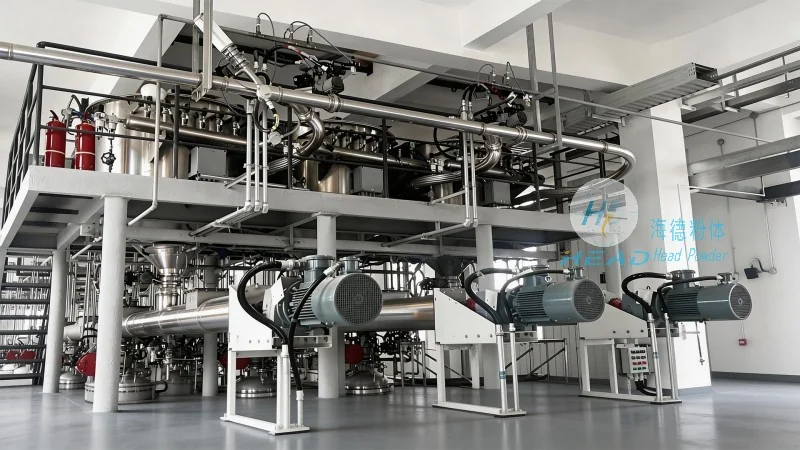
The system consists of several critical components that work in harmony to ensure smooth material transport. These include the main conveying tank, air compressor, control valves, and material feed and discharge mechanisms. The main tank is typically made of durable materials such as stainless steel or high-grade plastic, ensuring resistance to corrosion and wear from the materials being conveyed. The air compressor provides the necessary pressure to inflate the tank and create the air flow required for material movement. Control valves are used to regulate the pressure and flow of air, allowing for precise control over the conveying process. The feed and discharge mechanisms are designed to handle different types of bulk materials, from powders to granules, with minimal loss and contamination. For instance, the feed hopper is equipped with a rotary valve that ensures a steady flow of material into the tank, preventing blockages and maintaining consistent pressure. The discharge outlet is fitted with a check valve to prevent backflow and ensure that the material is discharged only when the tank is properly inflated.
Operation Process of the Intermittent Inflated Tank Pneumatic Conveying System
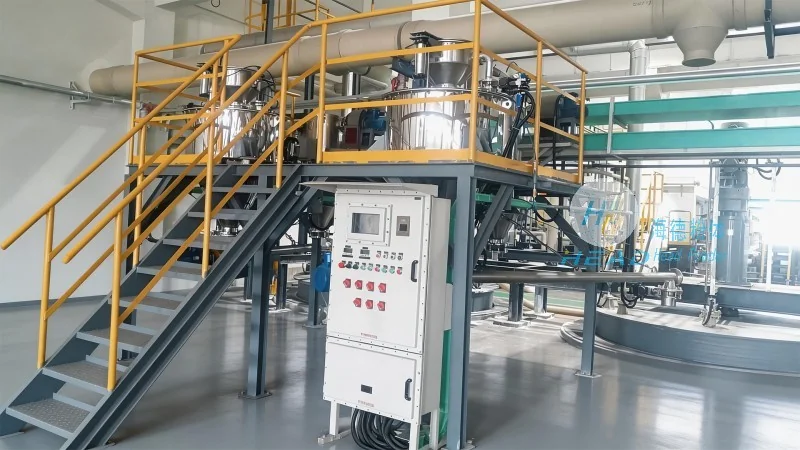
The operation process of the system involves several sequential steps that ensure efficient material handling. First, the bulk material is loaded into the conveying tank through the feed mechanism. The tank is then sealed to prevent air leakage. Next, the air compressor is activated, and the tank is inflated to a predetermined pressure, typically ranging from 0.5 to 1.5 bar depending on the material and system design. This inflation creates a pressure differential between the tank and the discharge outlet, which drives the material forward through the conveying line. The material is then discharged at the receiving end of the system. The process is repeated in an intermittent manner, with the tank being deflated and refilled as needed to maintain a continuous flow of material. The deflation phase allows the tank to be refilled with new material, while the inflation phase propels the material forward. This cycle is controlled by the system's control panel, which monitors pressure and flow rates to optimize the operation. The intermittent operation helps to reduce energy consumption and prevent material buildup in the system, as the tank is not continuously pressurized. This results in lower operational costs and increased system longevity.
Working Principle Explained
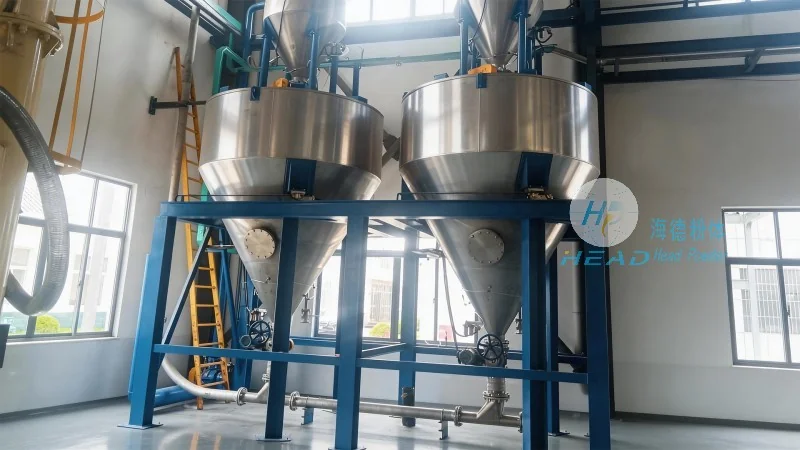
The working principle of the intermittent inflated tank pneumatic conveying system is based on the principles of fluid dynamics and pressure differentials. When the tank is inflated, the air pressure inside the tank is higher than the ambient pressure outside. This pressure differential creates a force that pushes the material particles against the walls of the tank. As the air flows through the conveying line, it carries the material particles along with it, forming a dense phase flow. The intermittent inflation and deflation of the tank help to maintain a consistent flow rate and prevent the material from settling or clogging the system. The system is designed to handle a wide range of materials, including fine powders, granules, and even wet or sticky materials, making it a versatile solution for various industrial applications. The key to the system's efficiency is the balance between the air pressure and the material's density. By adjusting the pressure and flow rate, the system can be optimized to handle different materials with minimal energy input. The fluid dynamics involved ensure that the material is transported in a stable manner, without excessive turbulence or separation of particles. This stability is crucial for maintaining the quality of the material being conveyed, especially in industries such as food and pharmaceuticals where contamination and particle size distribution are critical.