With more than 10‑year industry experience, Shandong Headpowder delivers full‑service pneumatic‑conveying systems and blowers, undertaking nationwide turn‑key powder‑handling projects.
Understanding the operation process and working principle of biomass powder pneumatic conveying machines is crucial for optimizing material handling in various industrial applications. These specialized systems are designed to efficiently transport fine biomass powders, such as wood chips, sawdust, or agricultural residues, over long distances with minimal loss and high reliability. The technology behind these machines leverages the principles of fluidization and air movement to achieve seamless material transport, making them an essential solution for industries focused on sustainable energy and biomass processing.
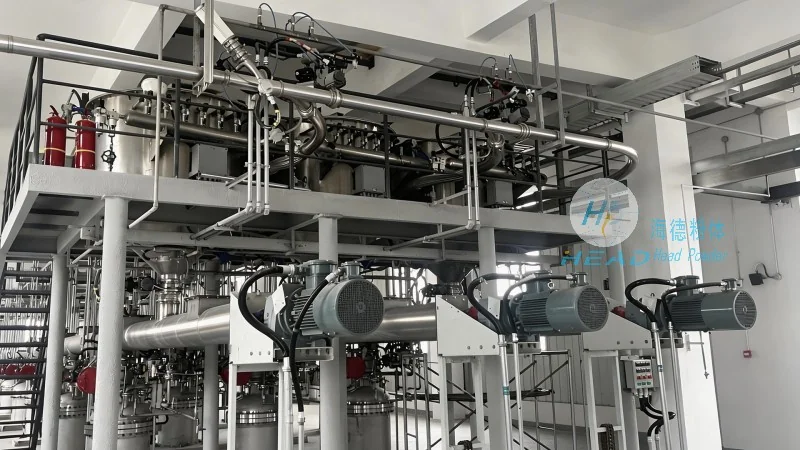
The working principle of a biomass powder pneumatic conveying machine is based on the fundamental concept of fluidization and air dynamics. When air is introduced into a pipe containing biomass powder particles, the particles become suspended and transported along with the air stream. This process relies on the balance between the air velocity and the particle size and density. For effective conveying, the air velocity must be sufficient to overcome the gravitational force acting on the particles and any frictional forces within the pipe. The system typically operates under positive pressure, where a blower compresses air and forces it through the conveying line, carrying the biomass powder. The pressure differential between the hopper and the receiver creates the driving force for material movement. In some cases, negative pressure systems are used for shorter distances or when the material needs to be drawn from a higher elevation. The choice of pressure mode depends on the specific requirements of the application, such as the distance to be covered and the material's characteristics. Such systems are often engineered by companies like Shandong HeadPowder Engineering Co., Ltd., known for their expertise in designing efficient pneumatic conveying solutions for biomass processing.
A biomass powder pneumatic conveying machine consists of several critical components that work in tandem to ensure efficient operation. The main components include a material hopper, a feeder (often a rotary valve or screw feeder), a conveying line (typically made of stainless steel or other corrosion-resistant materials), a pressure or vacuum source (such as a blower or vacuum pump), and a receiver or discharge unit. The material hopper stores the biomass powder and feeds it into the system at a controlled rate. The feeder regulates the flow of material into the conveying line, preventing blockages and ensuring a steady supply. The conveying line transports the material and air mixture to the destination. The pressure or vacuum source provides the necessary force to move the material. Finally, the receiver collects the material at the end of the line, often with a dust collection system to prevent environmental contamination. Each component is carefully designed to handle the unique properties of biomass powders, which can vary in moisture content, particle size, and flowability.
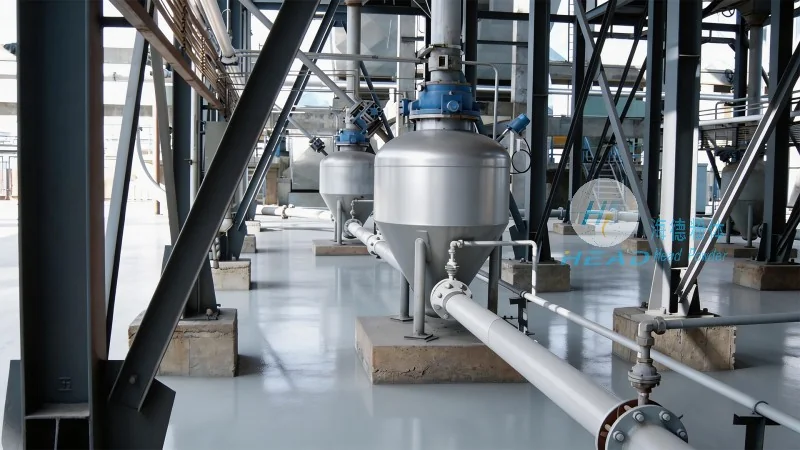
The operation process of a biomass powder pneumatic conveying machine involves several sequential steps that ensure smooth and continuous material transport. First, the biomass powder is loaded into the material hopper. The feeder then starts, delivering the material at a predetermined rate into the conveying line. Simultaneously, the air source (blower or vacuum pump) activates, generating the required pressure or vacuum. The air and material mixture is then propelled through the conveying line to the receiver. At the receiver end, the material is deposited into a storage bin or processing unit. The system continuously monitors flow rates and pressure to maintain optimal performance. If any issues arise, such as blockages or pressure drops, the system may automatically adjust the feeder speed or air flow to restore normal operation. This automated control ensures minimal downtime and consistent material handling. The entire process is designed to be energy-efficient, with the air source optimized to provide just enough force to move the material without excessive energy consumption.
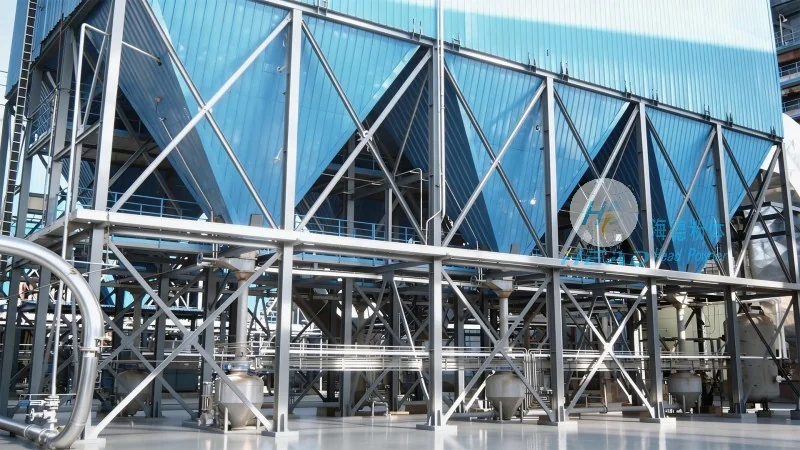
Biomass powder pneumatic conveying machines offer several advantages that make them ideal for biomass processing applications. These include high efficiency in transporting fine powders over long distances, reduced material degradation due to gentle handling, and the ability to handle materials with varying moisture content. The systems are also compact and can be integrated into existing processing lines without significant modifications. Common applications include transporting wood chips from storage to a pellet mill, conveying sawdust from a drying unit to a storage silo, or moving agricultural residues from a farm to a biogas plant. In each case, the machine ensures that the biomass material is delivered to the processing stage in a clean, consistent manner, which is critical for maintaining product quality and process efficiency. The technology also supports sustainable practices by minimizing waste and maximizing the utilization of biomass resources, aligning with global efforts to reduce carbon emissions and promote renewable energy.
Proper maintenance is essential to ensure the long-term performance and reliability of biomass powder pneumatic conveying machines. Regular cleaning of the hopper, feeder, and conveying line is necessary to prevent material buildup and blockages. The air source and filters should be checked and replaced as needed to maintain optimal air quality and pressure. Additionally, the system should be inspected for wear and tear on components like seals and bearings, which may require replacement to prevent leaks or inefficiencies. Operational considerations also include monitoring the flow rate and pressure to detect any anomalies early. By following a regular maintenance schedule and adhering to operational guidelines, users can maximize the lifespan of the equipment and minimize operational costs. For instance, Shandong HeadPowder Engineering Co., Ltd. provides comprehensive maintenance services and technical support to help clients optimize their equipment performance and extend its service life.

 Shandong Headpowder Engineering Co., Ltd.
 156-6277-7102(Manager Zhang)
  0531-83386006
  Zhangqiu District, Jinan City, Shandong Province, China
telephone
WeChatconsult
top