With more than 10‑year industry experience, Shandong Headpowder delivers full‑service pneumatic‑conveying systems and blowers, undertaking nationwide turn‑key powder‑handling projects.
Wheat starch pneumatic conveying machines are essential equipment in the food processing industry, particularly for handling fine powders like wheat starch. These machines utilize air pressure to transport materials, offering a dust-free, efficient, and hygienic solution for material transfer. The operation process and working principle of such machines are crucial for understanding their functionality and ensuring optimal performance in industrial applications.
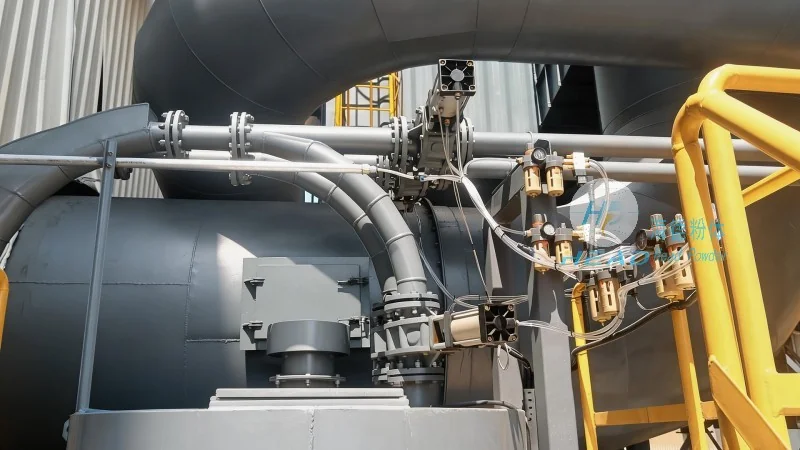
Headpowder, a leading manufacturer in the field, specializes in designing and producing high-quality pneumatic conveying systems. With a strong presence in Shandong, China, the company has built a reputation for delivering reliable and efficient equipment tailored to the needs of the food processing sector. The company’s commitment to quality and innovation has positioned it as a trusted partner for businesses requiring robust material handling solutions.
Wheat starch pneumatic conveying machines are designed to transport wheat starch and other fine powders from one location to another within a processing facility. These systems are widely used in the food industry due to their ability to handle delicate materials without causing contamination or degradation. The core of the machine is the pneumatic conveying system, which relies on air pressure to move the material through a network of pipes and components.
The wheat starch pneumatic conveying machine consists of several key components, each playing a vital role in the overall operation. These include the hopper, which stores the wheat starch; the air compressor, which generates the necessary air pressure; the conveying line, which transports the material; and the receiver, which collects the material at the destination. Additionally, there are control systems and safety features to ensure smooth and safe operation.
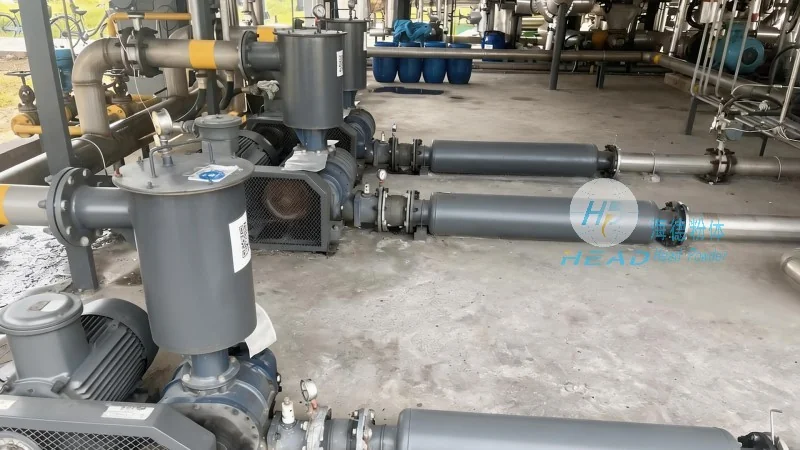
The operation process of a wheat starch pneumatic conveying machine typically involves the following steps. First, the wheat starch is fed into the hopper from a storage silo or bulk container. The hopper is equipped with a feeder that regulates the flow of material into the conveying line. Simultaneously, the air compressor starts and generates high-pressure air, which is introduced into the conveying line. The air and material mixture then travels through the pipes, with the air pressure propelling the wheat starch forward. At the receiving end, the material is separated from the air, often through a cyclone separator or a filter, and collected in the receiver. The air is then filtered and returned to the system or released into the atmosphere, depending on the system design.
The working principle of the wheat starch pneumatic conveying machine is based on the principle of pneumatic transport, where the material is suspended in a stream of air and carried through the conveying line. There are two main types of pneumatic conveying systems: pressure and vacuum. In a pressure system, the air compressor provides the pressure, pushing the material through the line. In a vacuum system, a vacuum pump creates a negative pressure that draws the material into the line. For wheat starch, a pressure system is commonly used due to its efficiency in handling fine powders and preventing material degradation.
Wheat starch pneumatic conveying machines offer several advantages over traditional material handling methods. These include dust-free operation, which enhances workplace safety and reduces the risk of contamination. The system is also highly efficient, with minimal material loss and reduced downtime. Additionally, the machines are easy to clean and maintain, ensuring compliance with hygiene standards in the food industry. The flexibility of the system allows for easy integration into existing processing lines and the ability to transport materials over long distances without the need for intermediate storage.
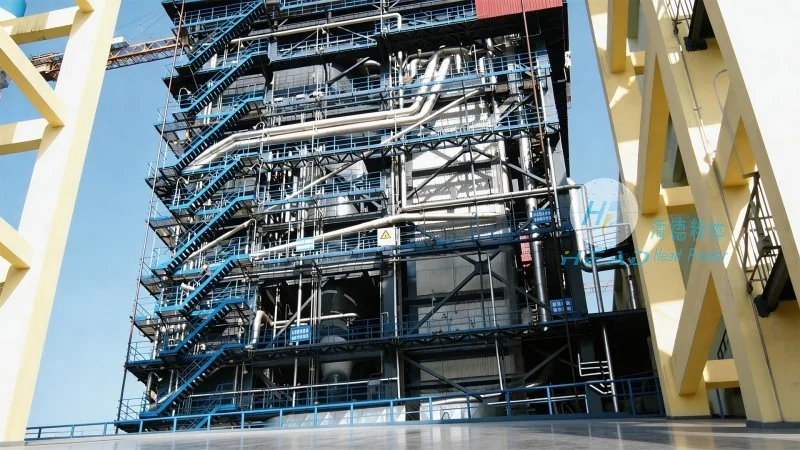
Wheat starch pneumatic conveying machines are widely used in various applications within the food processing industry. These include transporting wheat starch from storage to processing lines, moving it between different stages of production, and delivering it to packaging areas. The machines are also used in other industries, such as pharmaceuticals and chemicals, where fine powders need to be handled with precision and care. The versatility of the system makes it suitable for a wide range of applications, from small-scale operations to large industrial facilities.
Maintaining the wheat starch pneumatic conveying machine is essential to ensure its longevity and optimal performance. Regular maintenance includes checking the air compressor for proper operation, inspecting the conveying line for blockages or leaks, and cleaning the filters and cyclone separators. Safety considerations are also critical, as the system operates under high pressure and can pose risks if not handled properly. The machine should be equipped with safety features such as pressure relief valves and emergency stop buttons to prevent accidents. Additionally, operators should be trained on the proper use and maintenance of the equipment to ensure safe and efficient operation.
Wheat starch pneumatic conveying machines are a vital component of modern food processing operations, providing an efficient and hygienic solution for material handling. The operation process and working principle of these machines are designed to handle fine powders like wheat starch with precision and care. With proper maintenance and safety measures, these machines can provide reliable and long-lasting performance, contributing to the overall efficiency and productivity of the food processing industry. Headpowder, with its expertise in pneumatic conveying systems, continues to provide high-quality equipment that meets the evolving needs of the industry.

 Shandong Headpowder Engineering Co., Ltd.
 156-6277-7102(Manager Zhang)
  0531-83386006
  Zhangqiu District, Jinan City, Shandong Province, China
telephone
WeChatconsult
top